
The Fulcrum is committed to nurturing the next generation of journalists. To learn about the many NextGen initiatives we are leading, click HERE.
We asked Daniela Mattson, a student at the University of Southern California and a Fulcrum Fellowship cohort member, to share her thoughts on what democracy means to her and her perspective on its current health.
As a young Mexican female storyteller entering the journalism profession, the future and prosperity of my industry seem more fragile than ever.
I have spent the last six years developing my skills as a journalist and writer, yet I find myself wondering whether all the work I have done will lead to a stable, celebrated career in a country where freedom of expression continues to be under attack.
One of the fundamental aspects of learning to be a journalist is understanding the importance of the press and its influence on American society and democracy at large. The years I spent in school taught me that democracy keeps those in power in check and that people can shape the country they wish to live in through elections and freedom of speech.
Despite this, storytelling and freedom of expression seem increasingly threatened in recent years. Through the defunding of public media, the spreading of disinformation, deepfakes, and false news, it can be easy to feel that the integrity and safety of the press, a fundamental piece of democracy, is facing serious threats.
Nevertheless, I continue to believe that storytelling is key to upholding our democracy and has tremendous power to share the truth and uplift the voices of those who do not normally have the chance to speak up. Storytelling and upholding freedom of expression, especially for underrepresented voices, are fundamental to keeping our democracy from falling through the cracks of our nation’s foundation.
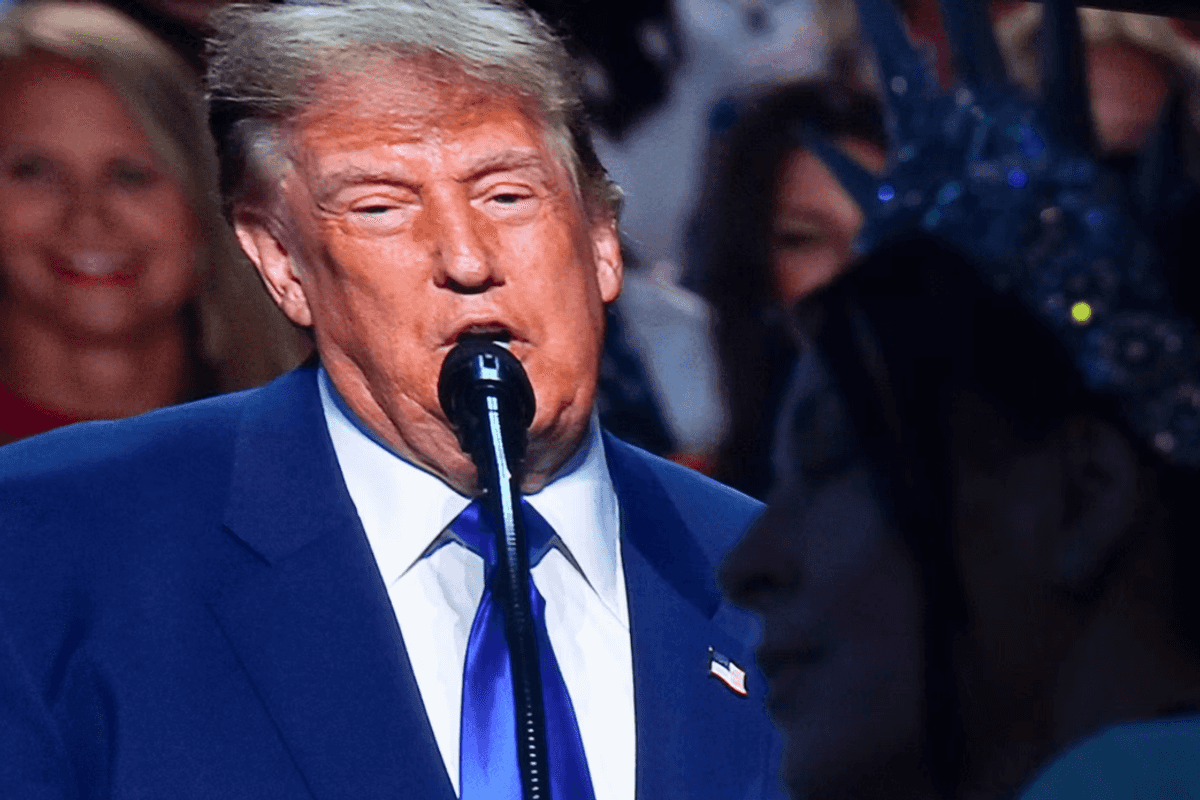
Freedom of the press has been a key part of American democracy and identity. But only recently has this freedom been weakened by attacks on news publications, broadcast channels, and journalists. Largely stemming from President Trump’s 2024 election, a series of attacks on the media has made it more difficult for journalists to continue reporting to the public.
Without federal support for public media and the press, it is harder for those in power to be held accountable and for journalists to do their jobs and investigate the truth for their readers.
There is no denying that a threat to freedom of the press and free expression has been under attack in recent months under the Trump administration, and that journalists and press outlets continue to struggle.
Apart from news organizations themselves, individual journalists have faced mounting threats to their safety and ability to report freely. The U.S. Press Freedom Tracker reported that in 2025, over 30 journalists were detained or arrested while covering protests. In 2026, many journalists who attended immigration protests against the United States Immigration and Customs Enforcement were either physically assaulted with rubber bullets and pepper spray or detained, according to the Associated Press.
In March, NPR reported that a judge called out Trump for violating free speech by cutting funding for NPR, calling it “unlawful” and “unenforceable.”
These actions by the federal government in the last two years represent the growing divide between the government and the press, weakening the bond that they both play a crucial role in upholding democracy in America. However, there is not just one side to the ongoing debate between the press and the government, which is working to provide less support.
While many support the press and the role of journalists, it has become increasingly difficult for journalists to earn public trust, leading to a press where many doubt its integrity. While there are challenges within the press itself, particularly in avoiding inaccuracies and limiting the voices of marginalized groups, journalists remain the cornerstone of truth-telling.
The criticisms of the media and journalists are part of the freedom of speech we enjoy in America, and, if anything, there should always be conversations about how the media and journalists can improve the accuracy and ethics of their reporting. That said, without the press and journalists to begin with, the country would lose the foundation for the stories and perspectives that help shape change or incite action among Americans.
To keep journalists and storytellers safe and able to continue doing their jobs, and to help the media stay afloat during a turbulent time for the press, there must be collective action toward a solution. Local representatives and federal officials must advocate for further legislation that protects the press and journalists, and provide the funding necessary to support news outlets.
We must resist the efforts to defund the media through public protest and support young storytellers through local government initiatives, writing workshops, or educational programming. By prioritizing funding for existing press institutions and providing more opportunities for those entering the field, we could enter into a future where the press continues to strengthen democracy and brings new perspectives and voices to the forefront.
I have been lucky enough to feel comfortable publishing and reporting on topics that are important to me and that I feel the need to share with audiences. I feel lucky for the opportunity to report on communities I care about, and have platforms that allow me to share my reporting.
However, not every journalist feels this same level of safety. We must continue to fight for the right to write and tell stories freely to educate and amplify the voices of those without a platform, and to keep Americans informed. Further, we have to ensure the press remains intact and funded, so that journalists can continue to inform the public.
To uphold democracy, we must fight for the ability to continue telling stories without fear of censorship or repercussions, and with the support of elected officials and Americans.
Democracy cannot continue without journalists. But most of all, it cannot continue without genuine efforts to keep this fundamental freedom alive.
Daniela Mattson is a bilingual multimedia journalist who prioritizes diverse storytelling in my reporting.






The President Invited Iran to Bomb My Home