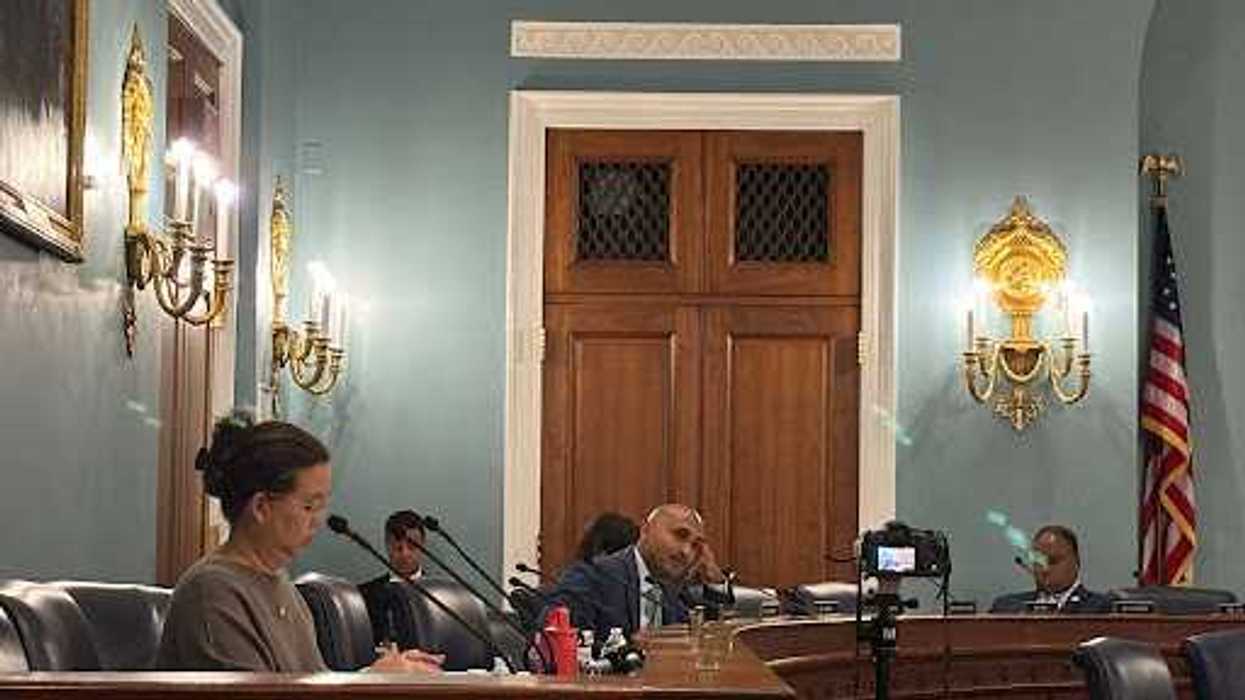
WASHINGTON – Lawmakers considered whether the federal government needs to increase its regulation of sports prediction markets last Tuesday, just days after the end of the World Cup, the largest event ever for companies like Kalshi and Polymarket.
Traditional sports betting has grown exponentially in recent years, even though 11 states still ban it. But people in all 50 states can use prediction markets to win money on the outcome of certain events. The federal government regulates such trades, many of which surround sporting events.
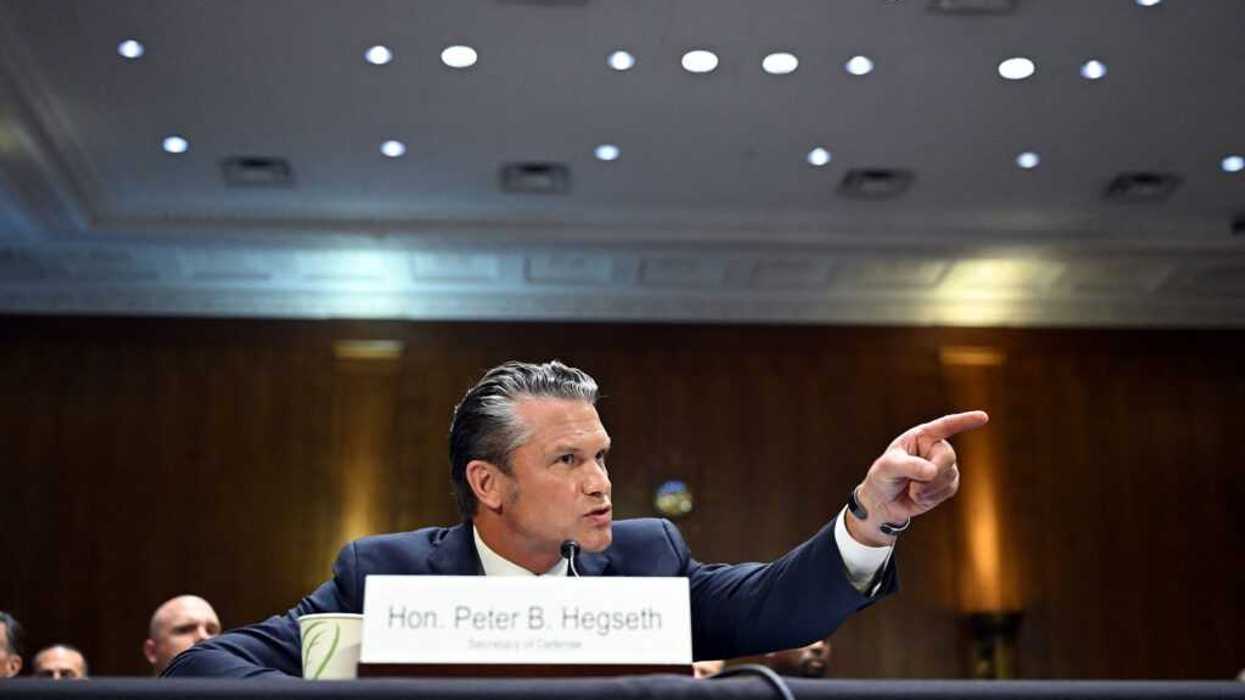
Most members of the subcommittee raised concerns that existing regulations fail to protect users from exploitation and risks associated with prediction markets, such as gambling addiction. Members explored whether and how markets should implement privacy protections, require age verification and ensure the integrity of the games. The Commodity Futures Trading Commission, which governs these markets, has faced legal challenges over whether states can regulate or ban prediction markets or if federal regulations preempt the states.
So far, in states like Alabama, where sports betting is illegal, residents can still wager money on Kalshi and Polymarket because the companies argue that the commission’s federal jurisdiction supersedes state gambling laws. Rep. Shomari Figures, D-Ala., who sits on the subcommittee, highlighted the distinctions between prediction markets and sports gambling.
While similar, sports gamblers make bets at fixed odds against a bookmaker, and states have authority to regulate them. In prediction markets, participants use apps and websites to compete against one another by predicting outcomes, and the federal government regulates this type of trading.
 A map of sports betting in the United States - red is illegal and blue is legal.CBS Sports
“I think predictive markets—they are unique. There are certainly some similarities to traditional sports betting, but there are certainly some differences,” Figures said to Medill News Service after the hearing. ”I think part of today's hearing is giving us the opportunity to explore some more of those differences so that we can craft some legislation and promote a regulatory framework that recognizes those realities.”
Experts described a turf war underway between states and the Commodity Futures Trading Commission over who has the right to regulate prediction markets.
“Are (prediction markets) merely sports gambling by another name, or are they really future markets, just like oil, just like wheat, just like gold, silver?” said Bob Jarvis, a professor of law at Nova Southeastern University who has been focused on gambling law for the past decade. “So far, the CFTC has said the prediction markets come under our jurisdiction, and because we are a federal agency enforcing a federal law under the U.S. Constitution' s supremacy clause, states have to give way because whenever there is a federal agency and a federal statute, state laws are preempted to the extent that the federal law ousts state law.”
In 2018, the Supreme Court overruled a federal ban on sports betting, arguing that it violated states’ rights. The Supreme Court’s ruling allowed states to self-regulate sports betting. But the case also allowed that Congress could bring a new gambling ban in the future. Jarvis said he expected the Supreme Court to take up the issue of state or federal regulation of prediction markets.
“You can legislate and regulate sports betting, but the argument is that this is not sports betting. This is different, and this gets federally regulated,” said Melinda Roth, a professor in sports law at Washington and Lee University. “And that is being litigated in so many different states that are in different federal circuit courts.”
Meanwhile, Alabama has taken center stage in the fight to legalize traditional sports betting. The Sports Betting Alliance is a national organization that advocates for legalizing gambling so that it can be regulated. Some of their goals are to implement privacy protections, require age verification and ensure the integrity of the games.
“Remember — legalized betting would not invent gambling in Alabama, it would just bring it out of the illegal market,” the Sports Betting Alliance said in a statement to Medill News Service. The Sports Betting Alliance has pumped over $2.4 million into Alabama congressional political action committees, which do not disclose which candidates they support, according to data from Transparency USA.
“You’re looking for new markets, and Alabama is one of those places that doesn’t really have gambling, so people putting money into congressional races, gubernatorial races, other races in Alabama, they want to have a lottery,” Jarvis said. “They want to have sports gambling. They want to have all the other types of gambling that other states have.”
The Department of Government Efficiency cut over 20% of the Commodity Futures Trading Commission’s staff last year. Figures raised concerns that if Congress seeks to expand the regulatory powers of the commission, it must be equipped with the proper resources and personnel.
“As these markets continue to evolve, Congress has a possibility to ensure that CFTC has the resources, staffing and authorities necessary to protect consumers while also preserving the integrity of markets,” Figures said.
At the hearing, members of Congress argued for bipartisan efforts to bring regulatory frameworks and protections for users on prediction markets.
Republican chairman of the subcommittee Dusty Johnson, R-S.D, said he welcomes bipartisan efforts to better regulate prediction markets and sports betting across the country. He said he expects more hearings on prediction markets in the near future.
“Today's discussion will help us better understand (prediction markets) – wherein the law is working, where it may be falling short and whether Congress has more work to do,” Johnson said. “We have a terrific panel of witnesses today, and I'm certain to have no shortage of optimal discussion and likely debate; in fact, I'm kind of looking forward to that part.”
Jacques Abou-Rizk and Olivia Ardito are graduate student journalists at Northwestern Medill.