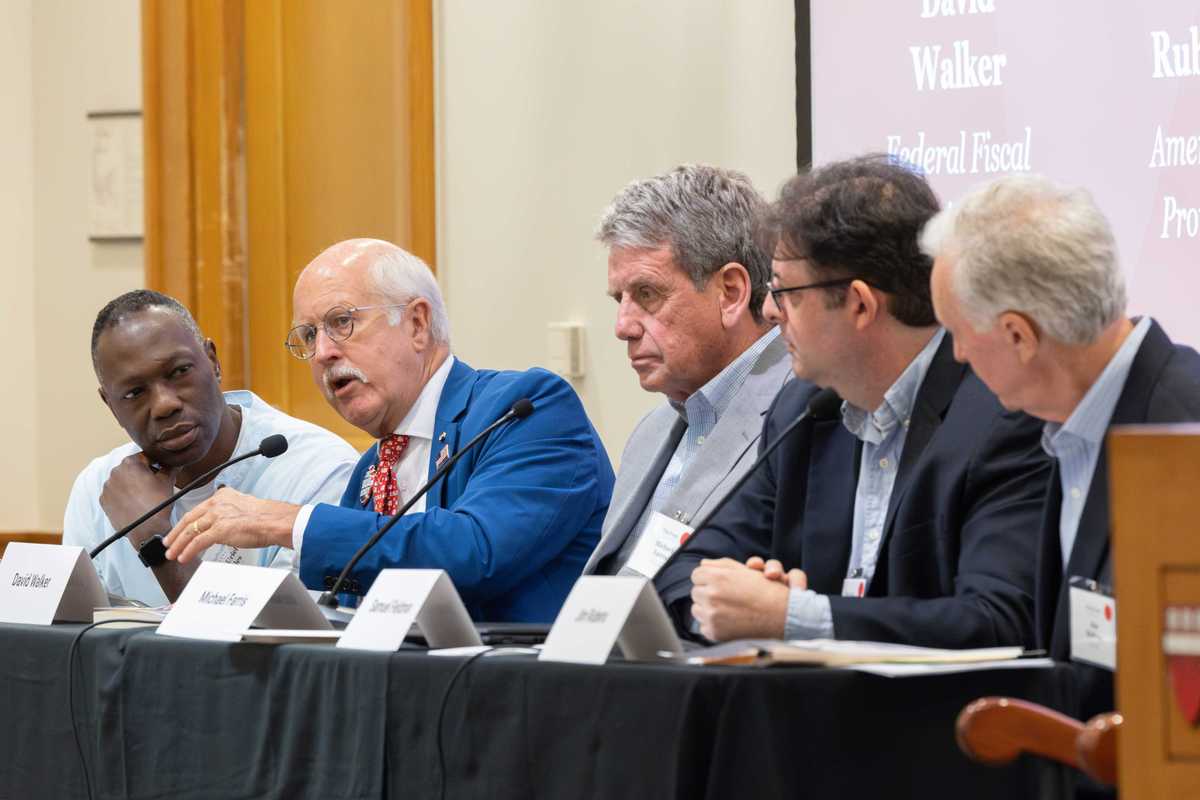


The harder question is how many capable people organizations will need. My latest lesson about artificial intelligence did not come from a research report or technology conference. It came from running the Security and Sustainability Forum.
Until recently, I depended heavily on an assistant to manage much of the website and webinar production process. Now I can do many of those tasks myself with Claude and ChatGPT. They help me develop content, revise web pages, solve technical problems, and manage projects that once required considerably more human support.
I am not eliminating my assistant’s position. I am redefining it. Instead of spending as much time on routine production, my assistant can concentrate on creative design and technical review. That work requires human judgment and can help SSF improve its programs and grow.
That experience led me back to an idea Apple popularized: the “directly responsible individual,” or DRI. Under Steve Jobs, an effective meeting reportedly ended with an action list, and each action carried the name of the person responsible for ensuring it was completed.
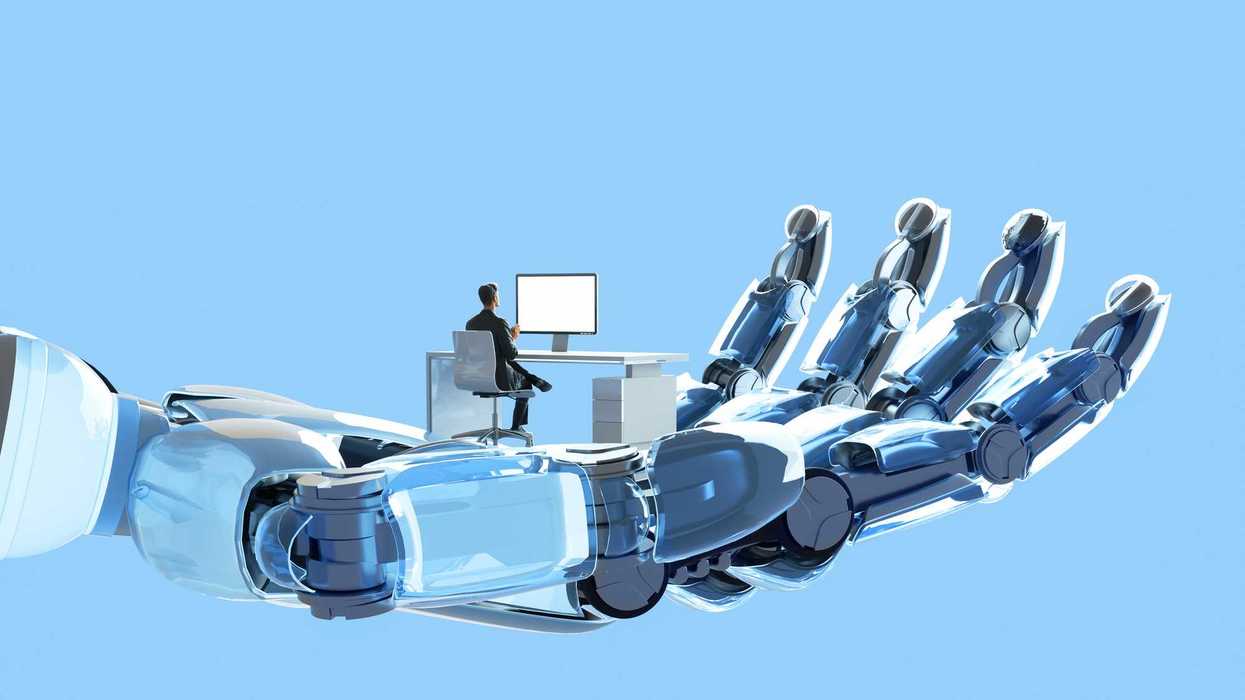
The AI-enabled DRI could become a defining worker of the future. One person will be able to direct artificial capabilities for research, writing, coding, design, and analysis. The individual will define the objective, divide the problem into parts, judge the results, and take responsibility for the final product.
That person need not be an engineer or computer scientist. A humanities major who understands context, formulates good questions, detects weak reasoning, and communicates clearly could be well positioned. AI can increasingly perform technical production. Human value may shift toward determining what should be done, recognizing when the result is wrong, and accepting responsibility for the outcome.
These could be fascinating jobs. My concern is not whether people can prepare for them. It is the number of such people an organization will need.
We tell workers to learn AI, and they should. But if everyone becomes more productive, it does not follow that companies will need everyone. AI could give more people access to sophisticated work while reducing the number of positions available to them.
Organizations will face a choice. They can use AI to produce yesterday’s output with fewer employees, or they can redirect the capacity it releases toward better products, new services, stronger relationships, and growth. Before eliminating a position, a leader should ask what higher-value work that person could now perform.
There is another problem. The future DRI will need judgment, but judgment develops through experience. Junior professionals learn by researching, drafting, analyzing, making mistakes, and receiving criticism. AI is absorbing much of that work. We may be creating a workplace that demands more judgment while eliminating the work through which judgment has traditionally been acquired.
AI also differs from earlier technologies. It acts upon the intellectual work through which we create new products, discoveries, and technologies. AI companies are already using it to help develop more capable AI, although full autonomous self-improvement has not arrived and may never arrive. The tool is beginning to participate in the process that improves the tool.
There is no realistic way to stop this change. The competitive advantages are too great. People will need curiosity, judgment, imagination, problem-definition skills, and the willingness to be responsible for results. Organizations will have to decide whether AI’s gains mean fewer jobs or greater ambition.
But preparation cannot rest entirely on individuals and employers. If the economy eventually requires much less human labor, telling everyone to master AI will not answer the larger question. Society will have to decide how opportunity, income, and purpose are distributed when productive capacity grows faster than the demand for people.
We do not yet know whether AI will take us that far. We know that it has started moving us in that direction, and that each generation of the technology may accelerate the next.
The Industrial Revolution showed how profoundly technology could reorganize society. It may have been the appetizer. AI is the main course.
Edward Saltzberg is the Executive Director of the Security and Sustainability Forum. He is a Visiting Scholar at George Washington University and writes the Stability Brief.