
For months, Chicago has been a focal point of the Trump administration’s aggressive immigration enforcement. Across our neighborhoods, families live with uncertainty and fear as loved ones are detained and separated from their communities. Few Chicagoans have escaped the emotional toll of these operations.
As a lifelong Gage Park resident and child of immigrants, these events are personal to me. My community has seen too many stories of parents dropping their children at school only to never return home, and of families being torn apart without warning or due process. No neighborhood should endure such fear.
Yet we have also witnessed something extraordinary: neighbors, faith leaders, advocates, and community organizations stepping up to support families, providing legal assistance, and exercising their constitutional right to peaceful protest. This response reflects the values that define Chicago—looking out for one another during difficult times.
As we reckon with these events, we must ask how better to protect our communities. A crucial starting point is scrutinizing the companies our local governments choose for business and how taxpayer dollars are spent.
That conversation is especially important when it comes to surveillance technology.
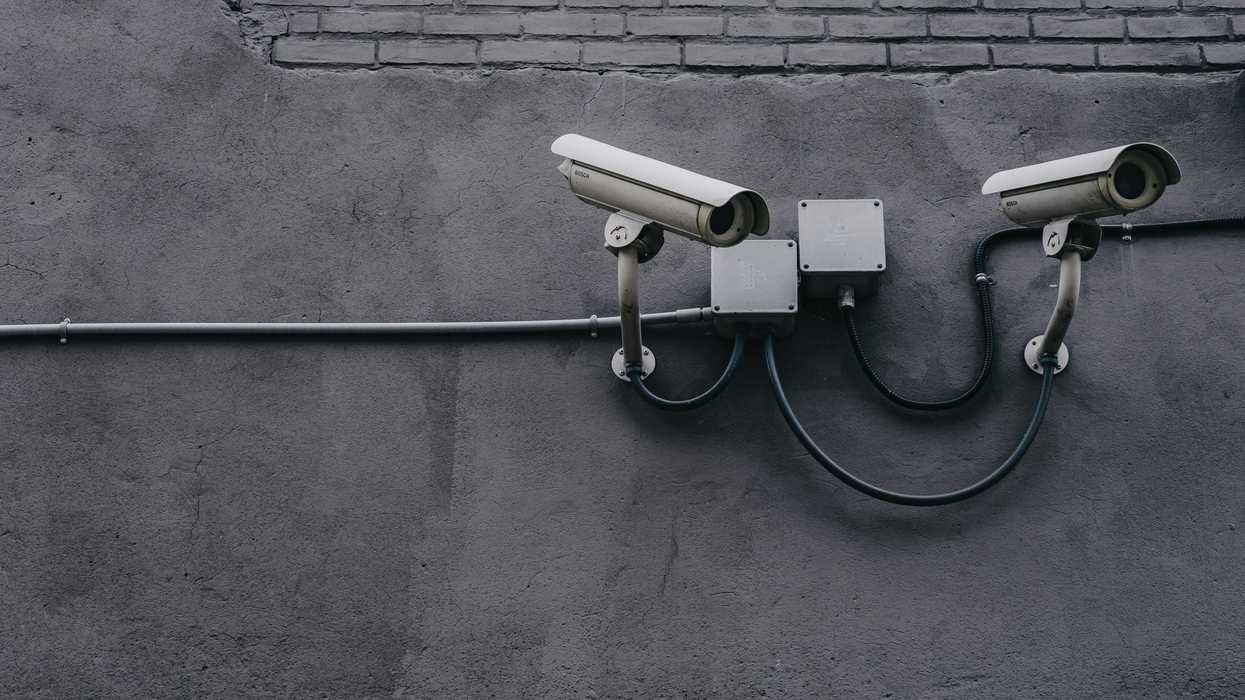
In 2019, the ACLU of Illinois warned that Immigration and Customs Enforcement (ICE) could use automatic license plate reader data to locate immigrants. Given recent operations, these concerns about privacy and government surveillance deserve renewed attention.
Axon Enterprises, a company that many Chicago-region municipalities already contract with for body cameras and TASER devices, raises significant questions. As communities consider expanding these partnerships to include artificial intelligence and integrated surveillance, residents deserve transparency regarding the long-term implications.
Axon is a major technology contractor for federal immigration and homeland security agencies, securing contracts worth hundreds of millions of dollars for equipment used in enforcement. Recent public financial disclosures indicate that President Donald Trump purchased between $1 million and $5 million in Axon stock shortly before ICE announced a new five-year contract with the company. Additionally, a former Axon executive responsible for the company’s Department of Homeland Security strategy now holds a senior leadership position at U.S. Customs and Border Protection after serving as Acting Director of ICE.
Whether viewed individually or together, these developments underscore why greater public scrutiny is warranted.
The larger question extends beyond any single contract: Do we want private companies collecting and storing vast amounts of data about our communities?
Axon’s vision reaches far beyond body cameras. The company is investing heavily in AI and integrated surveillance platforms like Fusus, which aggregates video from body cameras, fixed cameras, third-party systems, and building data into a single real-time awareness platform. While supporters argue these tools enhance public safety, critics warn they could expand surveillance, erode privacy, and exacerbate policing disparities without strong oversight.
Those are questions every community should confront before expanding these technologies—not after.
Local governments have a responsibility to ensure public safety while protecting civil liberties. As municipalities weigh future technology investments, they must evaluate who builds these systems, how data is used, and whether these partnerships reflect community values.
Today’s decisions about surveillance technology will shape the relationship between the public and law enforcement for years. Chicago and communities across Illinois should lead by ensuring these choices are guided by transparency, accountability, and a commitment to protecting the rights of every resident.
The Price of “Situational Awareness”: Protecting Immigrant Families from Over-Surveillance was first published by Illinois Latino News and is republished with permission.Aarón M. Ortíz is a Democratic member of the Illinois House of Representatives for the 1st district.