
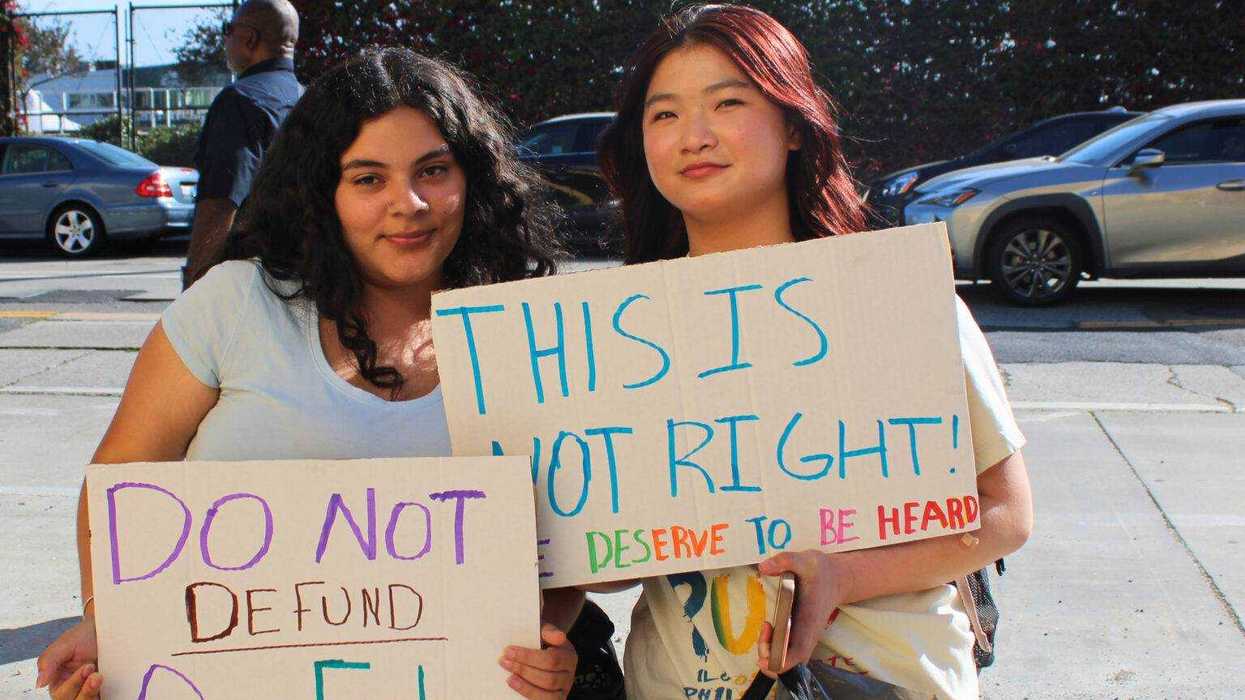

Rosanna Custodio was about just 10 years old the first time her teachers walked off the job.
That was 2019, when Oakland teachers went on strike for seven days over low pay, class sizes, and support staff. They walked out again in 2022 over school closures, and again in 2023 over pay and school safety. Rosanna, now 17 and a student at Oakland High School, has kept count of how many times educators have walked out.
"These are the teachers they bring into the district to educate us," Rosanna said, continuing, "If we don't have educators, where do we go from there?"
Amid days of educators’ protests, Rossana, just like many other girls in the Oakland district, has also been affected by inadequate access to sanitary pads in their restrooms. At Oakland High, she said, girls often have to ask for sanitary napkins in the bathroom, "and they will provide it, but it's not always on time." She wants the district to budget for them.
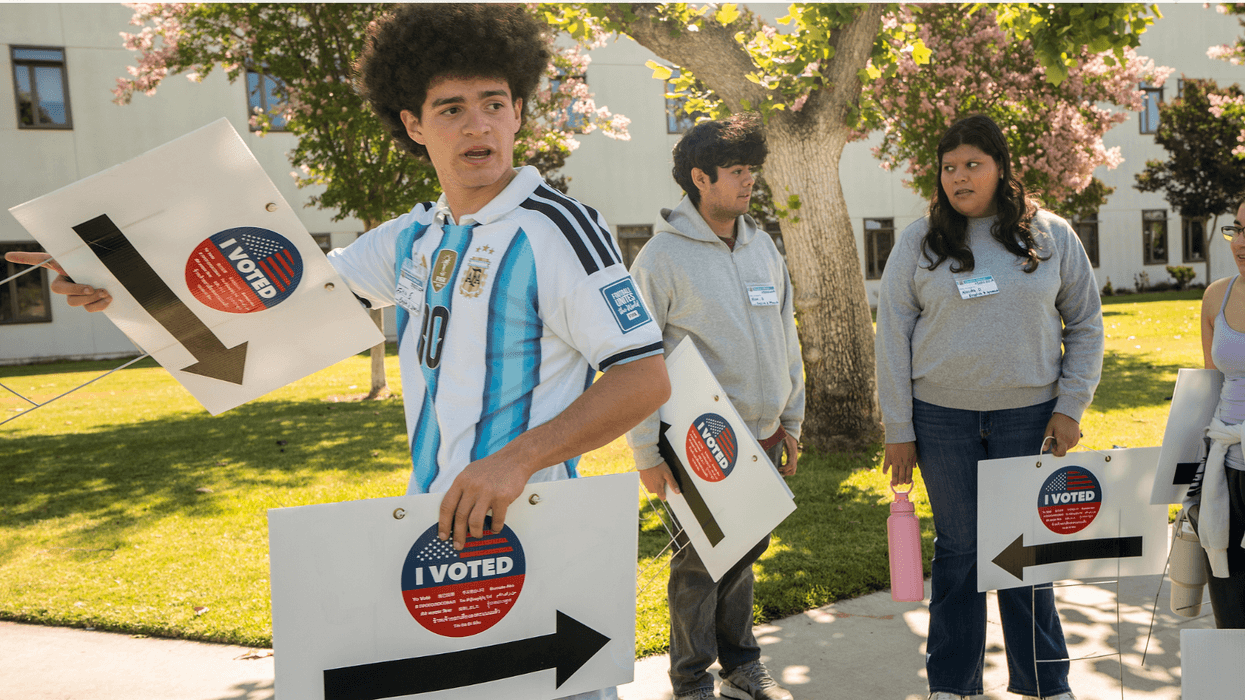
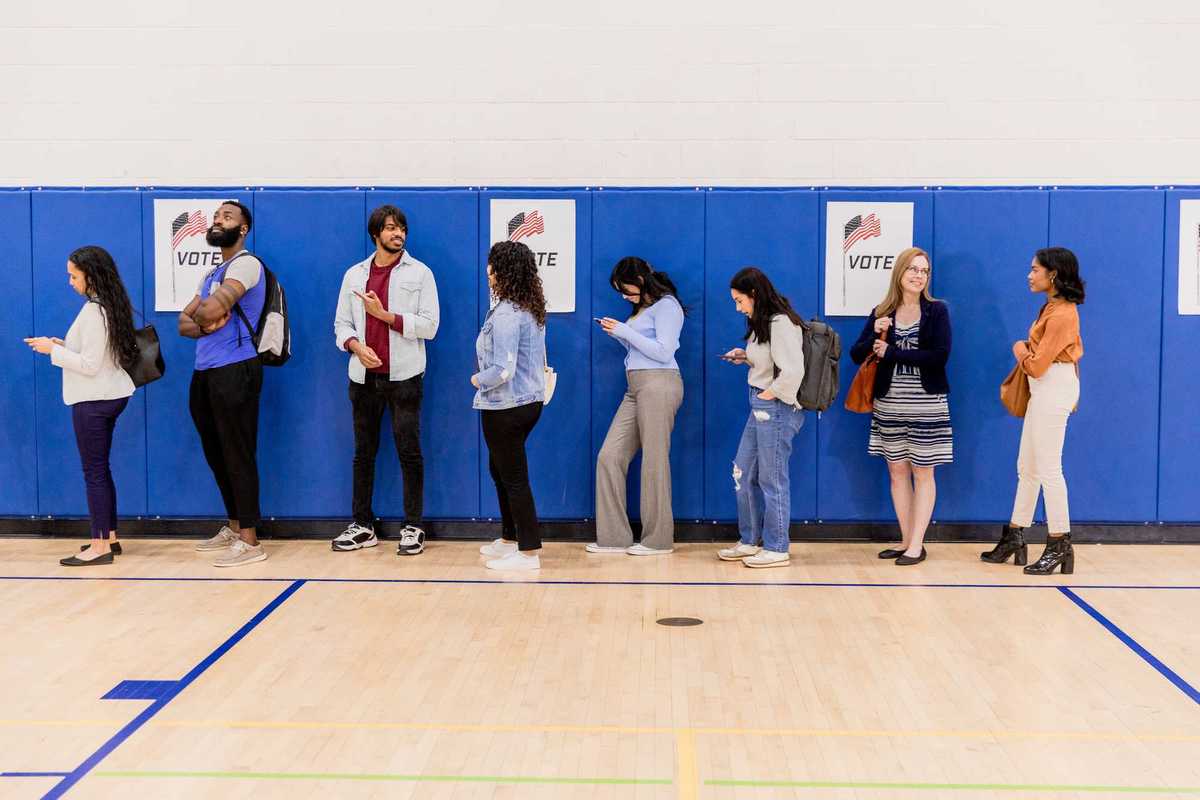
But the good news for Rossana is that, for the first time, she can have a say through her vote on November 3 in the only second Oakland District election open to 17- and 16-year-olds, helping choose the people who can bring meaningful change to their school.
Max, who lives in Oakland's District 2 and attends St. Mary's College High School in Berkeley, does too. Both his parents have been Oakland Unified teachers their whole lives. "Even before I was able to vote, I wanted to," he said.
He wants a straight answer on money. "We are in some deficit that God knows what it is at this point. They tell us a new number all the time," he said. "We are not just going to sit here and let the board do what it wants."
They are part of 722 of an estimated 1,900 eligible teenagers who have pre-registered for this year's school board races in districts 2, 4 and 6, according to the official Election Site of Alameda County. As of Oct. 23, just 13 had returned a ballot. That is under 2%. Adults in the same districts stood at 8.7%.
Those numbers are a test for Oakland Kids First, the nonprofit whose students won 16- and 17-year-olds the right to vote for the school board. In November 2020, voters approved Measure QQ with 67.88% of the vote, letting 16- and 17-year-olds vote for the school board. That made Oakland one of the first major U.S. cities to do so. Oakland Kids First, a nonprofit, anchors the coalition that ran the campaign. In 2024, in its first year, 244 Oakland teens cast ballots. Across Oakland and Berkeley, 575 of 1,494 registered youth voted
After running nearly every part of the first youth election in 2024, the group told the district and the county what they have missed. This fall shows how much they listened.
"If we disappear, we don't want the work to disappear with us," said Domenichi Morris, an organizing specialist at Oakland Kids First and a former elementary school teacher.
Morris taught elementary school before he joined in 2018 as a coordinator. "I got fed up with that system, and I wanted to be able to create some change," he said. Now he works on the youth vote with student leaders from coalition groups.
A 30-year habit of pushing
Oakland Kids First grew out of the 1996 Kids First. Initiative, a ballot measure that set aside 2.5% of the city budget for children and youth. Its teenagers have worked the same way ever since: name a problem, organize, and keep showing up until officials act.
The youth vote began with a loss. On March 4, 2019, the day after the first teachers strike ended, the school board voted to cut about $22 million, including restorative justice staff and library funding, while hundreds of students protested.
"Young folks were hurt, furious, and they're like, where is our say?" Morris said.
Voters approved Measure QQ in 2020. The county did not build a system for it until 2024.
Getting ready to vote
Rossana got involved through AYPAL, an Asian and Pacific Islander youth group in the Oakland Youth Vote coalition, which registered her. Now she sits on Oakland Kids First's Core Leaders Committee, where teens meet to prepare for the election. They read the candidates' bios and form their own opinions. The group pulls that information straight from the candidates' websites and does not push anyone, Max said.
"You can tell if you read those who is promising something and who is using a lot of words to say nothing," he said.
When District 2 candidates visited Oakland High government classes, Custodio said, "they gave us room to actually ask questions on what we believe that we need."
"I feel empowered," she said.
What the group asked for
The first youth election leaned almost entirely on the coalition. "It's not an embedded curriculum that the school district does every year," Morris said. Teens could vote in person only at the registrar's office downtown, and some parents accidentally threw out ballots, he said. In the end, 244 Oakland teenagers voted, about a quarter of those registered.
Thomas Lemasney, now 19, was one of them. He organized with the group in high school. "After we achieve our win, not much happens," he said. "I'm going to be honest."
So the group put its asks in writing. A 2022 policy analysis prepared with Oakland Kids First called for teens to vote the same way adults do and for the district to build voter registration and civics into school. After 2024, the coalition's evaluation told officials, in Morris' words, "this is what was missing, this is what you could have done better."
The county has moved the most, and teens can now vote at any vote center. The registrar's outreach team is "more prepared and showing up at different schools," Morris said, and its calendar lists 11 registration pop-ups at nine Oakland high schools, though six lasted 30 minutes or less.
The district has moved some. It has sent students messages asking whether they have registered, and Oakland High told Rossana in class that she was eligible. Morris counts at least eight or nine candidate forums this year, up from a handful.
But the biggest task is still open. In 2022, the board told the superintendent to write a plan to promote youth voting. The coalition's evaluation, presented in April, found no sign of one and said the district has no formal civics program. The board took no vote. At an Oaklandside forum in September, board President Jennifer Brouhard said every class should teach the lessons. District 4 incumbent Mike Hutchinson said a direct district role "would be difficult."
So Oakland Kids First fills the gaps. It still registers students and visits classrooms when schools ask, and it is weighing a field trip to drop off ballots if district rules on missed class allow it.
What they want back
"Hopefully they listen to the students," Rossana said of whoever wins, "and actually be open-minded to what the students have to say." Max wants "some clarity on the budget" and a board member who "engages with students and is willing to listen."
He has a message for teens who plan to sit this one out.
"Don't take it for granted," he said. "You can really have an impact on your school."
Pechuqui Laurata is a fall fellow with The Fulcrum and a student at UC Berkeley School of Journalism (Master of Journalism).