

Sustainability in government is a discussion at both the local and national levels. What is common today is that this conversation has long excluded Indigenous communities' voices and perspectives from the legislative process.
Too often, local governments enact environmental and sustainability legislation without considering its impact on Indigenous groups.
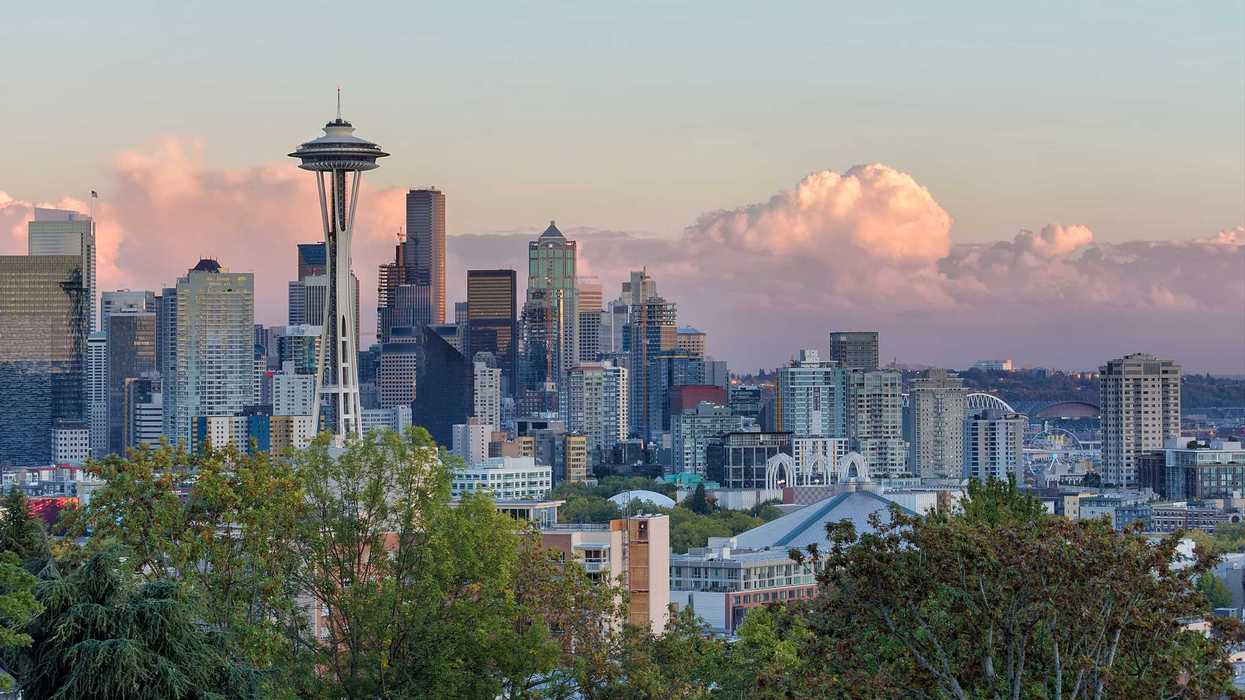
However, cities like Seattle, Washington, are setting a new example of how local and national governments can work collaboratively with Indigenous communities to advance shared sustainability goals.
By working with local government and leveraging Indigenous groups and voices, communities can implement climate solutions more authentically and effectively. This would help create more efficient solutions for the Indigenous communities directly impacted by the environmental crisis.
The Seattle Office of Sustainability and Environment has worked on initiatives that support climate justice and has collaborated with local Indigenous groups within those programs.
Lylianna Allala, the Director of OSE, leads several initiatives aimed at working with Indigenous groups to achieve sustainable goals. She worked as the Equity and Environment Program Manager for seven years, where she managed the development and implementation of programs under the Equity and Environment Initiative.
“Making sure that we were building relationships with native and Indigenous communities, Indigenous-serving organizations, and tribal organizations and government was an area of improvement for us,” Allala said.
By inviting Native and Indigenous leaders to work with OSE, the Seattle City Council established an ordinance that created the Green New Deal Oversight Board, which provides proposals for new policies, programs, and projects regarding climate and environmental justice to the mayor and city departments.
“When that ordinance was shaped, there was a specific callout for representatives from tribal communities who have usual and accustomed land and water in Seattle,” Allala said. “So there was a specific carveout for voice and leadership there, and that has been a really pivotal moment.”
Apart from the Green New Deal Oversight Board, the Seattle Climate Action plan includes a central goal of bringing in collaborators from the local community.
The plan includes how Seattle will decrease pollution and build a more equitable city. One central goal is to strengthen shared climate leadership and partnerships with community members.
Since 2018, they have funded programs that advance environmental education based on Indigenous stewardship and have advocated for protecting marginalized groups.
Beyond efforts within Seattle government, several Indigenous nonprofits across Seattle are advancing their own sustainability and environmental work.
Rising Tides is an Indigenous planning group that promotes Indigenous approaches to urban planning, community development, and cultural placemaking. They have produced several reports studying the native and Indigenous communities in Seattle, providing a more thorough understanding of the perspectives and needs of these communities.
The Duwamish River Community Coalition was established in 2001 and has a mission to elevate the voices of those impacted by the Duwamish River pollution and other environmental injustices. Their initiatives span environmental law, climate policy, health equity, clean air programs, and more.
The Na’ah Illahee Fund is an Indigenous-led organization focused on strengthening Indigenous economies and protecting their land, water, and sustainable practices. Their impact has expanded beyond Seattle and includes urban, rural, and reservation-based Indigenous communities across Washington, Oregon, Alaska, Idaho, Montana, Wyoming, and British Columbia.
In Seattle, OSE, along with the Seattle Foundation and City of Seattle, recently announced the First Peoples’ Climate Fund Grantees, marking a “$5.5 million investment that places Indigenous sovereignty, leadership, and ancestral knowledge at the heart of climate action.”
The fund allows for a process where the perspectives of Tribes and Native leaders in Seattle are at the forefront of developing climate strategies.
“I think that the approach tracks with how [OSE] operates,” Allala said. “Making sure that we’re creating opportunities for co-design and co-development and co-evaluation to make sure that we’re still meeting the outcomes that we intended to achieve when we were designing a policy or programs.”
Beyond creating programs that promote collaboration, Seattle government representatives and local Indigenous groups have been working to address the climate crisis and are brainstorming solutions.
In 2021, the Seattle government created the Seattle Indigenous Advisory Council, where members would advise the city government on issues impacting American Indian, Alaska Native, and Native Hawaiian people in Seattle. Their core goal is to “Build an Indigenous City” by advancing strategies that push for cultural ecosystems that serve the Native communities.
Since 2019, the King County Climate Equity Community Task Force has been a community of leaders who partner with the county on climate initiatives, funding, and policymaking.
“Frontline communities [Black, Indigenous, and People of Color] are people disproportionately impacted by climate change due to existing historic racial, social, environmental, and economic inequities,” their website states. “They often experience the earliest and most acute impacts of climate change, but they also often have experiences that empower unique strengths and insights into climate resilience strategies and practices.”
The Task Force helped develop the Sustainable & Resilient Frontline Communities section of the 2022 Strategic Climate Action Plan, which was King County’s first climate justice framework.
The partnership between Seattle local government initiatives and the goals of Indigenous groups has shaped how these groups work towards climate equity together.
Rising Tides currently partners with City departments and Native-led organizations, with which they released the Native Neighborhoods Community Study.
In 2018, members of Rising Tides partnered with the Seattle Office of Planning and Community Development to host a series on Indigenous planning in Seattle. The conversations between Rising Tides and OPCD led to the creation of the Indigenous Seattle Internships program.
OSE also partnered with Rising Tides and People’s Economy Lab to create a community assembly, where members could be in dialogue about a particular issue and identify the roles and responsibilities to carry out solutions.
“That partnership has allowed us to employ that structure to inform strategies in our climate action plan,” Allala said. “I’m super proud of that work.”
The work being done by both the City of Seattle and Indigenous groups in the area resembles a larger representation of the importance of local Indigenous communities.
An article published by PubMed Central said that tangible change for sustainability requires a broader and deeper recognition of Indigenous Peoples as “key agents” of change.
The paper also outlines several ways Indigenous Peoples act as agents of change for sustainability across areas like defending rights, resisting exploitation and harm, shaping broader societal change, and providing customary foundations.
The paper notes that Indigenous Peoples also play a critical role in challenging conversations that overlook justice in relation to the environment and sustainability, an opportunity they are given through the programs the local Seattle government provides.
Their perspectives play a key part in enacting sustainable practices that foster justice for Indigenous Peoples and are a central part of a city’s successful efforts to combat climate change.
While the efforts to leverage Indigenous voices in government sustainability efforts are concentrated in the Seattle area, the collaboration between local government and Indigenous groups can be applied in any city, town, or province. A positive relationship between these two groups, regardless of the location, can further the progress of climate solutions that improve the daily lives of Indigenous communities.
An article published by Nature examines how Indigenous and local community initiatives have the potential to transform and guide positive shifts towards sustainability in South America. Beyond Seattle, the idea of working with local governments and Indigenous communities is a model that can have benefits worldwide.
The article points out how communities that are locally grounded have an advantage in being the ones in charge of sustainability efforts.
Despite Seattle’s efforts to further the work between local government and Indigenous groups to enact climate change solutions, more work needs to be done. Cities across the country should prioritize a collaborative approach to solving complex environmental issues, especially those that directly impact marginalized groups.
Electing leaders both in local government and in community groups who recognize the importance of this collaboration would help sustain a broader movement towards ensuring collective action in tackling environmental challenges.
While Seattle, and many cities across the world, continue to face growing climate challenges, there is a structure to ensure that not only are those issues addressed, but Indigenous voices are leveraged to lead the fight to a better future for all.
Daniela Mattson is a bilingual multimedia journalist who prioritizes diverse storytelling in my reporting.