



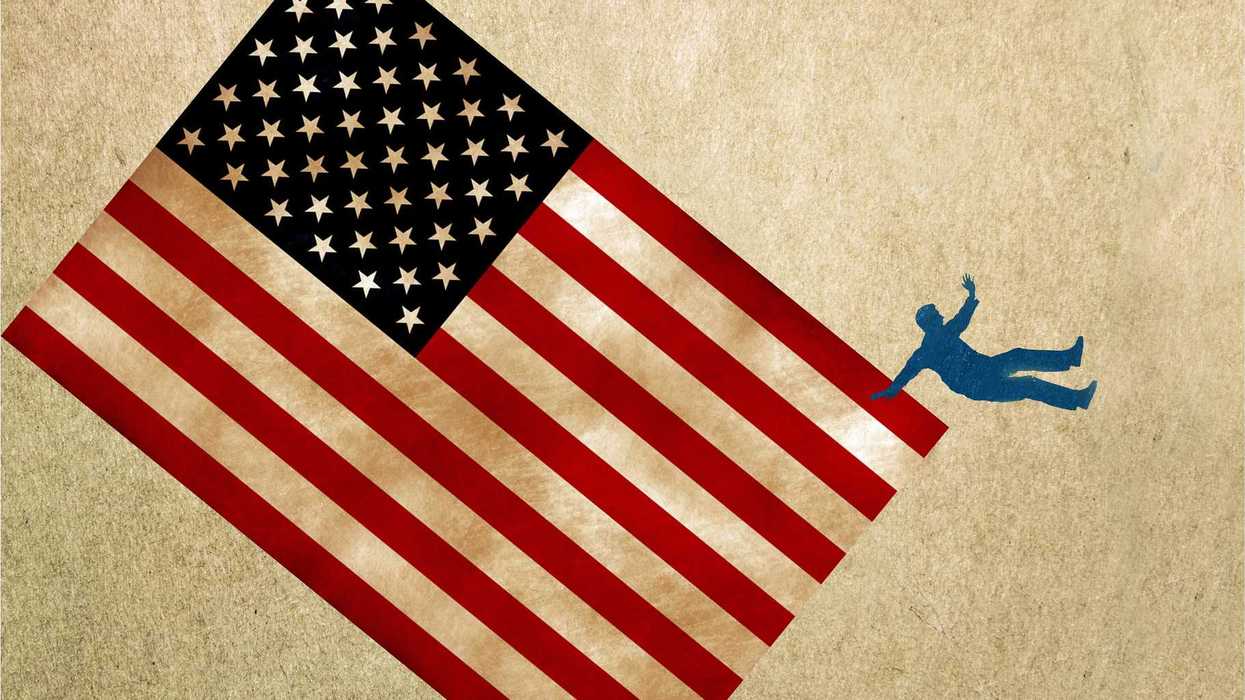

The politics of exclusion is the deliberate use of power to push certain communities out of the American story through fear, cruelty, erasure, and unequal treatment. It is what happens when leaders abandon constitutional ideals and replace them with grievance, retaliation, and division.
The late John McCain warned that we weaken our greatness when we confuse patriotism with tribalism. Liz Cheney cautioned that no one should support a leader who uses fear and division to hold onto power. Adam Kinzinger called it authoritarianism. Mitt Romney said plainly, “He has caused fear and division.” Alexandria Ocasio-Cortez observed that “the cruelty is the point,” and the late John Lewis reminded us that “democracy is not a state; it is an act.” Together, these voices describe the elephant in the room. America is confronting a pattern bigger than corruption and bigger than authoritarian drift. It is the social, racial, and moral dimension of democratic erosion — lying, cheating, cruelty, intimidation, erasure, and exclusion masquerading as patriotism.
America has always lived under two sets of rules: the stated rules and the unstated rules. The stated rules are written in the Constitution — equality, liberty, justice, representation, and the promise that every person belongs. But people of color have always lived under a second set of rules: belonging is conditional, progress can trigger punishment, success can provoke resentment, safety is not guaranteed, and history can be erased when it becomes inconvenient. Now a third set of rules is emerging — the authoritarian rules. Divide people so they cannot unite. Erase history so children cannot learn. Intimidate communities so they cannot rise. Rewrite truth so no one can hold leaders accountable. These rules depend on fear, confusion, erasure, and the belief that some Americans are more American than others.
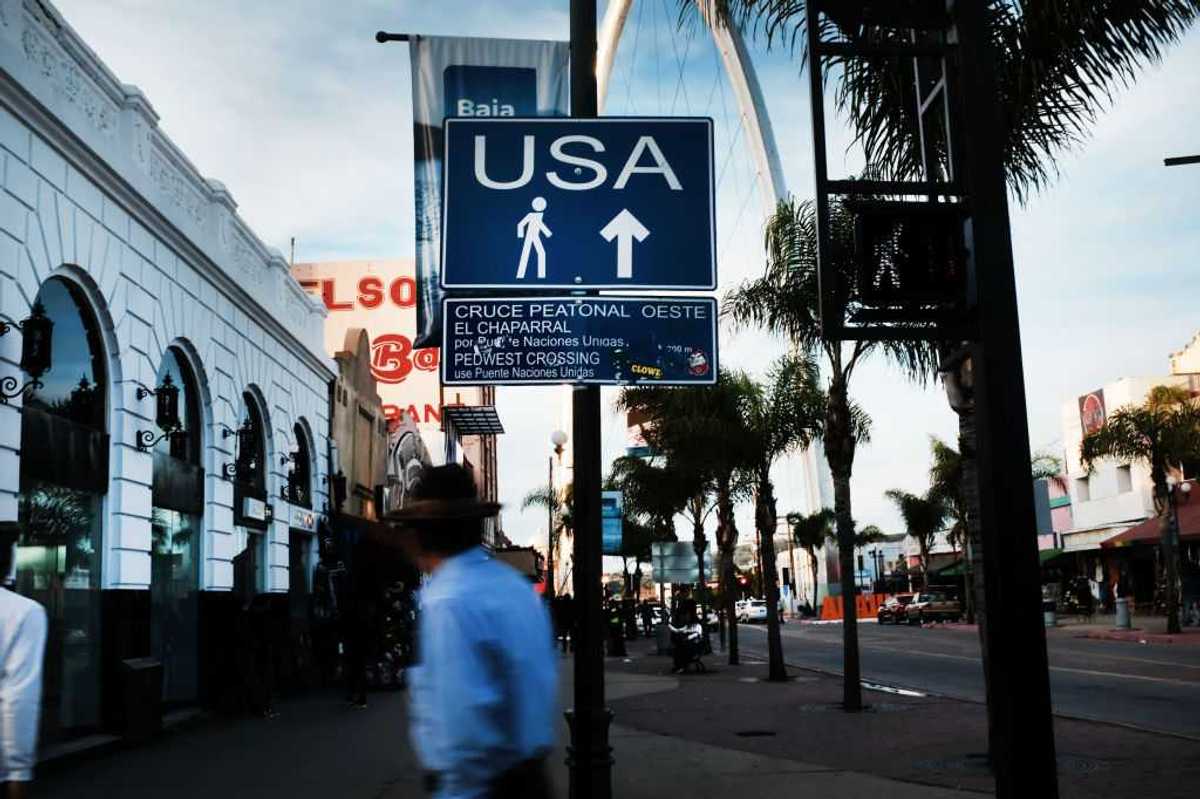
Trump has demonstrated these authoritarian rules repeatedly. Investigations report that he has used executive power to exclude immigrants, restrict who can enter the country, and expand enforcement in ways that disproportionately harm people of color. Analysts note that he frames certain immigrants as threats while welcoming others who serve his political or financial interests. This selective acceptance is a hallmark of authoritarian systems. Even members of his own party showed visible discomfort. When the late Senator Lindsey Graham defended the president’s falsehoods or cruelty, his body language told a different story — the hesitation in his eyes, the tension in his shoulders, the way he swallowed before speaking. Many say it looked as if he had surrendered his integrity to something he could not name.
Recent reports continue to document harsh treatment of immigrants in detention, including allegations of abuse, inadequate medical care, and prolonged confinement. Civil rights groups note that oversight remains inconsistent and many complaints still go unresolved. History shows that similar abuses occurred during slavery, where dehumanization was used as a tool of control. The tactics repeat: degrade, intimidate, silence, erase.
Sometimes history shapes behavior, and sometimes it shapes harm. Reports show that Donald Trump’s father, Fred Trump, was arrested at a 1927 KKK‑related event in Queens, and that the family’s housing practices later faced federal scrutiny for refusing to rent to Black tenants. Whether or not these events explain Donald Trump’s behavior toward people of color, they form part of a documented pattern — one that many communities recognize immediately. People like Trump do not want history known. He comes from a family of immigrants, yet works to erase the histories of others. They water down textbooks, restrict curriculum, and silence teachers because they do not want children to learn the truth — that America has a long record of using immigrant labor to build the nation and then pushing those same communities out once they begin to thrive.
History makes the pattern impossible to ignore. Chinese immigrants built the Transcontinental Railroad and were later barred by the Chinese Exclusion Act. Mexican laborers were brought into the United States to meet agricultural and industrial demand, only to be ousted when their labor was no longer politically convenient. The cycle repeated with the Immigration Act of 1924, which sharply restricted immigration from non‑European countries. Haitian families helped revitalize cities after natural disasters, only to see their federal Temporary Protected Status abruptly ended. The pattern is always the same: when the nation needs labor, it brings immigrants in. When those immigrants begin to succeed, build communities, and gain stability, they are pushed out. Demand creates welcome; progress triggers rejection. Immigrants strengthen the country, and when they begin to do well, they are ousted. This is the politics of exclusion.
The consequences fall hardest on people of color and immigrants. Many Black Americans say they are not asking for special treatment; they are asking for a fair chance. They have always been among America’s hardest workers, building the country in ways often overlooked. Yet many now feel pushed out, erased, or caught in the middle of political battles they did not create. A Black man in Georgia told me, “No matter how much Trump tries to destroy us and turn us against each other, America remains the shiny city on the hill. We love our neighbors no matter what shade or creed. We all belong here.” A Black woman in Florida shared, “My forefathers were still slaves when the Declaration of Independence was signed, but my ancestors fought that I might be free. They cannot erase my history.” A Native American man said, “They try to push us out, but we were here first.” A Latina woman said she no longer felt part of the country — not because of her own choices, but because of the president’s words and ICE’s actions.
Across generations, people of color are a foundational part of America’s history. They built this country, defended it, fed it, taught it, healed it, and sustained it. They must remember their contributions and their worth. They must not allow anyone — not even a president who does not understand the value of diversity — to make them feel lesser. Healing the divide begins with truth and courage. Empathy is the first step. People must listen to one another’s lived experiences across racial lines. Storytelling breaks stereotypes and restores belonging. The country must confront systemic racism directly. Racism is embedded in education, housing, employment, and policing. Removing overtly racist laws is not enough. We must strengthen civil rights protections, expand economic opportunity, and ensure equal access to justice.
Communities need safe spaces to talk — schools, workplaces, churches, and civic groups where people can discuss race, privilege, and bias without fear. Grassroots engagement is essential. Cross‑cultural mentorship programs, joint civic projects, interfaith councils, and neighborhood coalitions build trust and shared purpose. Institutions must be held accountable. Independent oversight bodies can ensure policies serve the public interest, not political convenience. Education must tell the truth. Curricula should reflect diverse histories and perspectives. Representation matters in government, media, business, and community leadership. Economic inequality must be addressed. Investment in underserved communities, fair wages, and access to quality education reduce resentment and build shared prosperity. And finally, the people must use the most powerful tool they have — the vote. Guardrails exist — oversight, accountability, and when necessary, impeachment — but none of them work unless the people insist on them.
America’s story is not defined by cruelty, division, or exclusion. It is defined by the people who refuse to let those forces win. The people who rise. The people who remember. The people who stand. Democracy survives when we show up — and we must show up now.
Carolyn Goode is a retired educational leader and technical writer whose work centers on civic responsibility and democratic engagement.









The President Invited Iran to Bomb My Home