


Skip to content
Search

Latest Stories

Follow Us:
Top Stories

Only Trump doesn’t care about housing

Opinion

Only Trump doesn’t care about housing

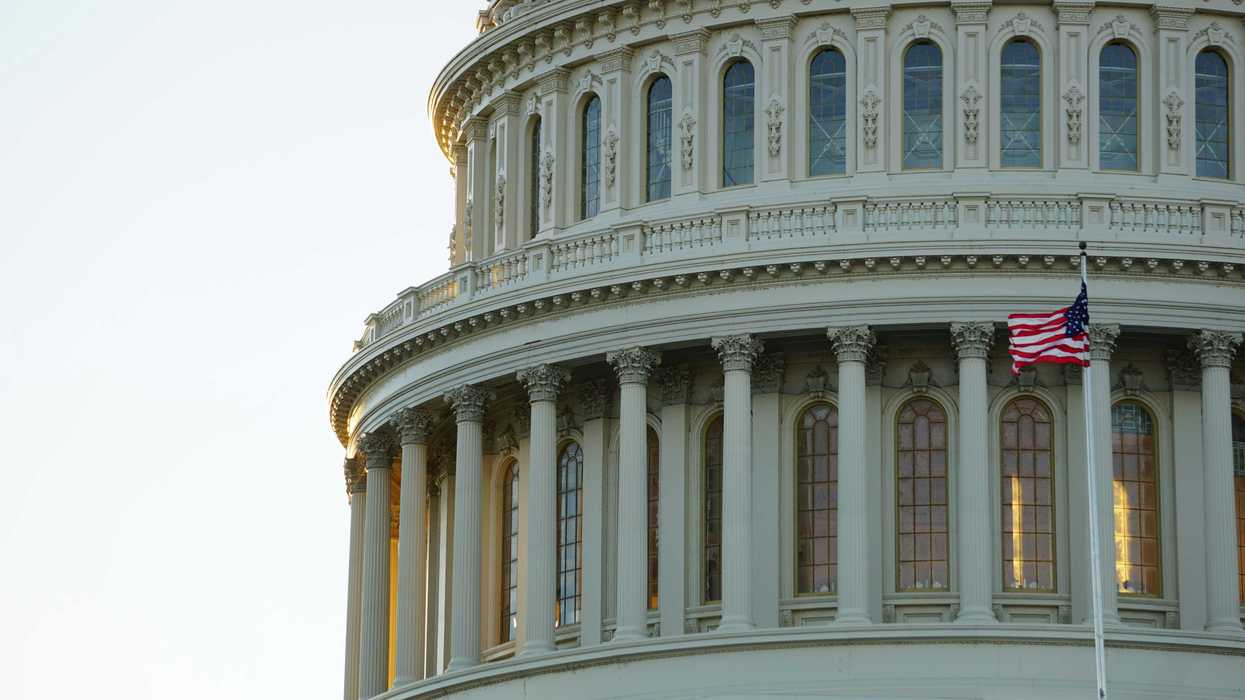
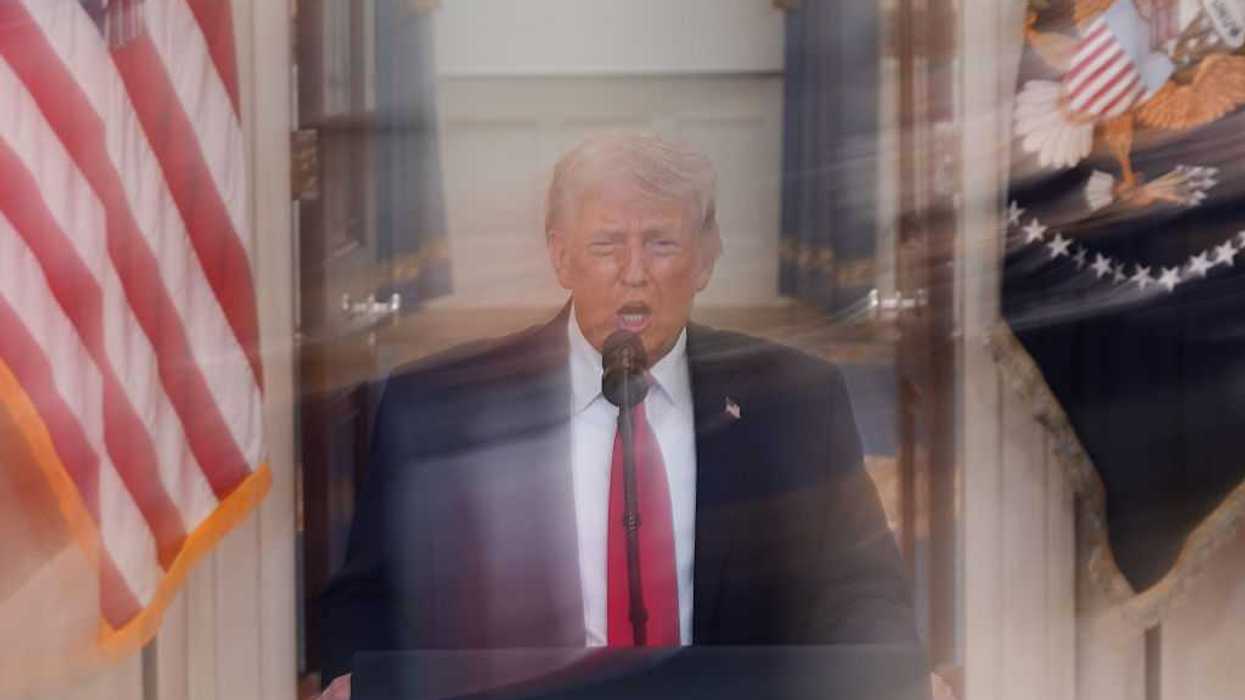
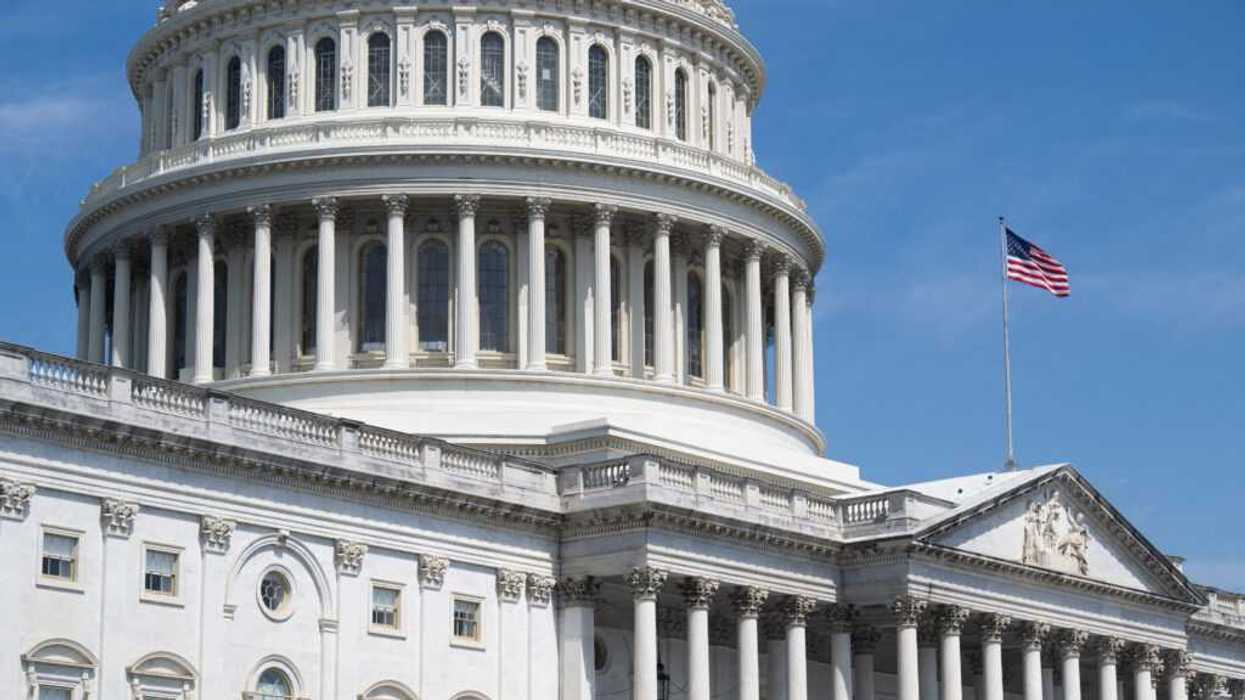
A view of the U.S. Capitol in Washington, D.C., on June 25, 2026. President Donald Trump jolted Republicans during a fiery appearance at the U.S. Capitol on Wednesday, scrapping a housing bill signing ceremony and clashing behind closed doors with a party rebel who challenged him over the Iran war. Trump had been expected to sign the bipartisan housing.

(AFP via Getty Images)

It was August 15, 2024. Then candidate Donald Trump stepped out of his Bedminster, New Jersey, golf club’s columned clubhouse to a gaggle of reporters. He was flanked by tables of groceries and signs showing the rising cost of food. Also on one of the tables was a dollhouse, meant to represent the equally alarming rise in housing prices.

It was a speech about the economy, the single most important issue of the 2024 election cycle, full of promises that went right to the heart of Americans’ anxieties. While former President Joe Biden and then Vice President Kamala Harris were contorting themselves to posture a good economy that just needed more time to recover from the pandemic, Trump was preying on voters’ very real fears of unaffordable gas, groceries, and homes. It was obviously a winning message.


In that speech, Trump promised, “We’re going to open up tracts of federal land for housing construction. We desperately need housing for people who can’t afford what’s going on now.”

As of mid-2023, there had been a housing shortage of nearly four million homes, according to the National Association of Realtors. Americans all over the country were either priced out of buying new homes due to low inventory, trapped in their existing homes by sky-high mortgage rates, or facing exorbitant rent hikes thanks to corporate investors buying up rental properties. Americans needed help, and Trump promised it.

Cut to March of 2026, when Trump reportedly told House Speaker Mike Johnson, “No one gives a sh*t about housing.”

That kind of thinking may explain why Trump this week suddenly announced he was canceling a signing ceremony for the bipartisan “21st Century ROAD to Housing Act,” a housing bill co-sponsored by Sens. Elizabeth Warren and Tim Scott that passed the House 358-32 and was approved in the Senate on Monday.

Trump instead demanded Congress pass the SAVE America Act, his controversial election grievance bill that doesn’t have enough Republican support to get passed in the Senate.

It’s just the latest in a line of policy self-owns where Trump has seemingly intentionally made life more difficult for Republicans hoping to keep their majority. Despite midterm elections occurring in the midst of a blistering economy and an unpopular war, they were surely hoping the housing bill would give them something — anything — to brag about when they returned home to their districts.

And very much to the contrary, Americans do give a sh*t about housing. According to a recent survey by the Bipartisan Policy Center, a whopping 79% say the cost of housing is extremely or very important to them. Eighty-three percent say Congress should take action on the issue — like it just did. Eighty-nine percent say the House and Senate need to work together to pass affordable housing legislation — like they just did. And 63% say they would be more likely to vote for a lawmaker if they helped pass legislation to build more affordable homes and lower housing costs — like they just did.

There aren’t many issues that unite Americans like housing does, and very few bipartisan policy wins Congress can point to, and yet, Trump is holding that bill hostage in order to get his pet project — which doesn’t even have the support of his own party — pushed through.

If you’re trying to make sense of something so nonsensical, as I’m sure many Republican lawmakers are, it’s certainly sad but not actually all that complicated. Trump said what he needed to get reelected and then promptly abandoned his promises in order to pursue his own self-interests, even if those interests are bad for Republicans and bad for voters.

That’s just the kind of guy he is.

S.E. Cupp is the host of "S.E. Cupp Unfiltered" on CNN.


Read More

McConnell and Platner both feel entitled

Democratic U.S. Senate candidate Graham Platner speaks to voters at a town hall at the Elks Lodge 188 on June 7, 2026, in Portland, Maine.

(Laura Brett/Getty Images/TCA)

McConnell and Platner both feel entitled

The two men could not be more different. One, a Republican, octogenarian, seven-term Southern senator, the other a progressive, millennial Maine oysterman who’s never spent a day in elected office.

But Mitch McConnell, the senior senator from Kentucky who’s been MIA for the past few weeks and Graham Platner, the Maine Senate candidate who’s facing calls to drop out of his race against Sen. Susan Collins, apparently do have something in common: an outsized sense of entitlement.

Keep ReadingShow less
President's Trump National Address On Iran Is Watched By New Yorkers In Manhattan

People watch as US President Donald Trump makes a national address on television at Brooklyn Diner Times Square on April 1, 2026 in New York City. US President Donald Trump's address to the nation is expected to lay out the framework for ending the conflict in Iran.

Adam Gray / Getty Images

When Duty Isn’t a Priority: A Megalomaniac President Abuses the Nation

What does it mean when the presidential oath becomes a performance instead of a promise? It means the nation is left vulnerable to a leader whose actions suggest that personal power may matter more than the Constitution he swore to defend.

He raised his right hand and swore to “preserve, protect, and defend the Constitution.” Yet millions of Americans have watched a president whose conduct repeatedly raises doubts about his commitment to that oath. His attacks on constitutional limits, his hostility toward oversight, and his tendency to treat institutional constraints as obstacles to personal objectives have led many to conclude that constitutional duty is no longer his governing priority. When the oath becomes symbolic rather than binding, the consequences are carried by the public.

Keep ReadingShow less
Why Democrats Are Running Against the ‘Epstein Class’

Graham Platner, the Democratic Senate nominee, is running a populist campaign with a focus on corruption and influence.

CJ Gunther/Getty Images

Why Democrats Are Running Against the ‘Epstein Class’

After Graham Platner secured the Democratic nomination for Senate in Maine, his first ad of the general election didn’t mention his opponent, Sen. Susan Collins, or the Republican Party. It focused on the late disgraced financier and convicted sex offender Jeffrey Epstein, and who he called the “Epstein class” of elites in both parties.

“Some of the most powerful Democrats and Republicans in the country were on Epstein island,” Platner said in the ad, referring to Epstein’s former residence in the U.S. Virgin Islands. Platner, whose economic-populist campaign combined with controversial online statements and a since-removed tattoo of a Nazi symbol have drawn national attention, framed himself in opposition to this elite class.

Keep ReadingShow less
I Alone Can (Fix) Destroy It

U.S. President Donald Trump at the U.S. Capitol on June 24, 2026 in Washington, DC.

(Photo by Kevin Dietsch/Getty Images)

I Alone Can (Fix) Destroy It

Donald Trump’s racist, misogynist, xenophobic view of the world has undermined the USA’s global standing. He has surrounded himself with cabinet officials who believe that competence is determined not by expertise, training, education and experience but with factors perceived to be far more important like, whether they are white, male and retain a feudal sense of subservience, other criteria he values include girth, facial hair and his very subjective perception of attractiveness.

Trump’s attack on wokeness and diversity, equity and inclusion mean that his administration is left without a diversity of knowledge , cultural understanding and empathy which means his negotiators for the Iran War cannot appreciate the history of the region, the cultural nuances, the languages, the political tensions, the emotional impact of their actions or the thinking of the current leadership. Being woke means understanding a variety of perspectives and having empathy for others, something this administration sorely lacks. They represent the total opposite of Kissinger, Brzezinski, Albright and Rice who were lifelong experts on their diplomatic counterparts.

Keep ReadingShow less