

Skip to content
Search

Latest Stories

Follow Us:
Top Stories

Podcast: Inequitable ability: Electoral and civic challenges faced by those with disabilities

Podcast: Inequitable ability: Electoral and civic challenges faced by those with disabilities
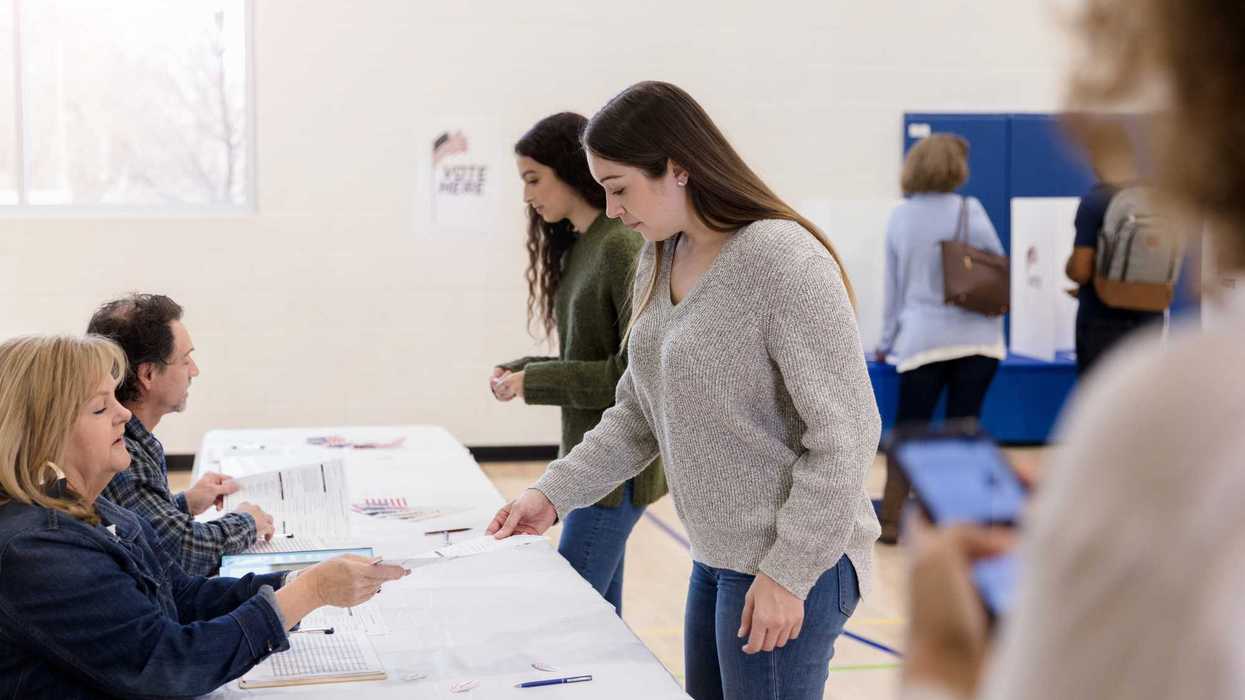
In this episode, we reflect on inequity and varied levels of accessibility for persons of diverse abilities to engage respectfully in the electoral and civic process with disability advocate and Bridge Alliance intern Caleb Railsback.

Listen.


Read More

Trump Never Intended To Be Just

U.S. President Donald Trump on May 22, 2026 in Suffern, New York.

(Photo by Roberto Schmidt/Getty Images)

Trump Never Intended To Be Just

Let us set aside, for a moment, the fact that in suing the IRS, Donald Trump initiated a lawsuit that was meritless, frivolous, and a blatant conflict of interest…in his own words, “I am supposed to work out a settlement with myself.” Let us further acknowledge, but look past the fact, that the settlement is filled with “illegal cookies” like his effort to exempt himself and his family members or family-controlled companies, from past or future IRS audits or any future obligations to ever pay federal taxes.

Please appreciate, but set aside for a moment, that this is the most corrupt administration in modern US history. Further, I would like to ignore the fact that this appears to be an effort to finance a private militia that has violently sought to undermine the US Government and the electoral capacity of the vote of the people of the United States of America.

Keep ReadingShow less
The Fragile Promise of the Ballot
black and white love print crew neck shirt
Photo by Cyrus Crossan on Unsplash

The Fragile Promise of the Ballot

Recent Supreme Court decisions such as Shelby County v. Holder and Brnovich v. Democratic National Committee were not just redefinitions of election law; they marked a critical shift away from the federal government’s duty to ensure equal ballot access—a duty fundamental to democracy.

The consequences were swift and broad. Within hours, Shelby County, Texas, imposed strict voter ID rules that federal officials had previously blocked under the Voting Rights Act’s pre-clearance provisions. Soon after, North Carolina reduced early voting and eliminated same-day registration. Across parts of Alabama, Georgia, and other Southern states, polling places closed or moved, often in communities with large Black populations. What once required federal review could now proceed quickly.

Keep ReadingShow less