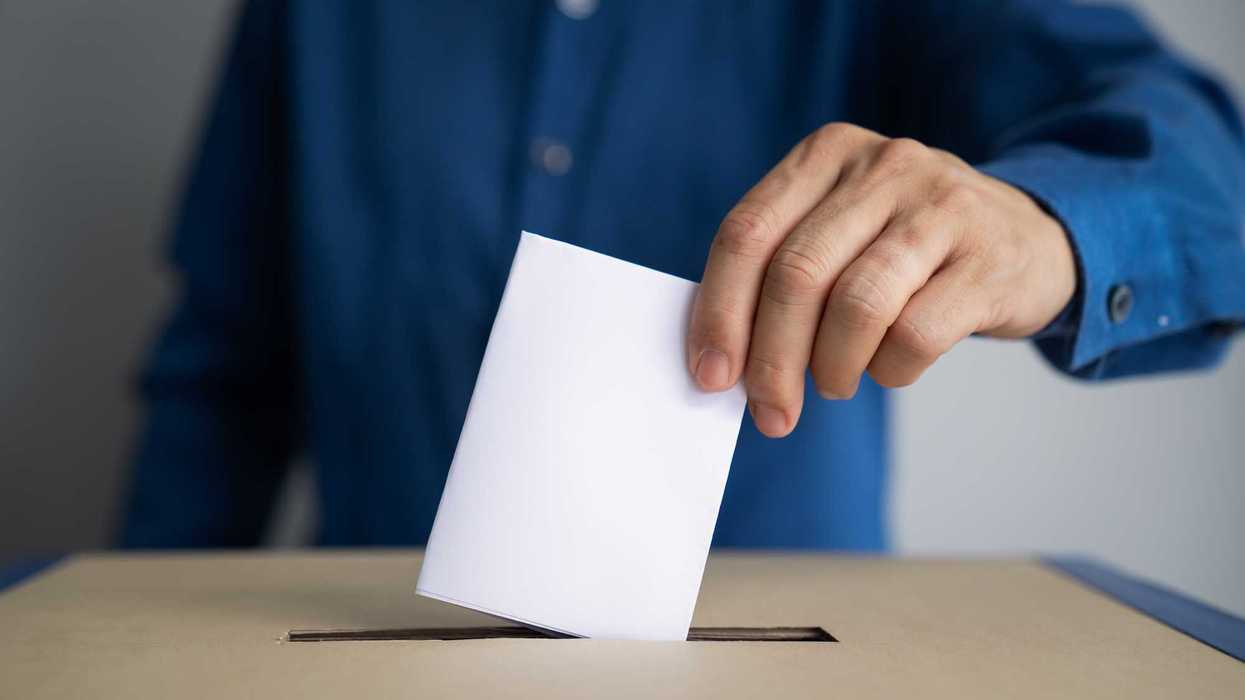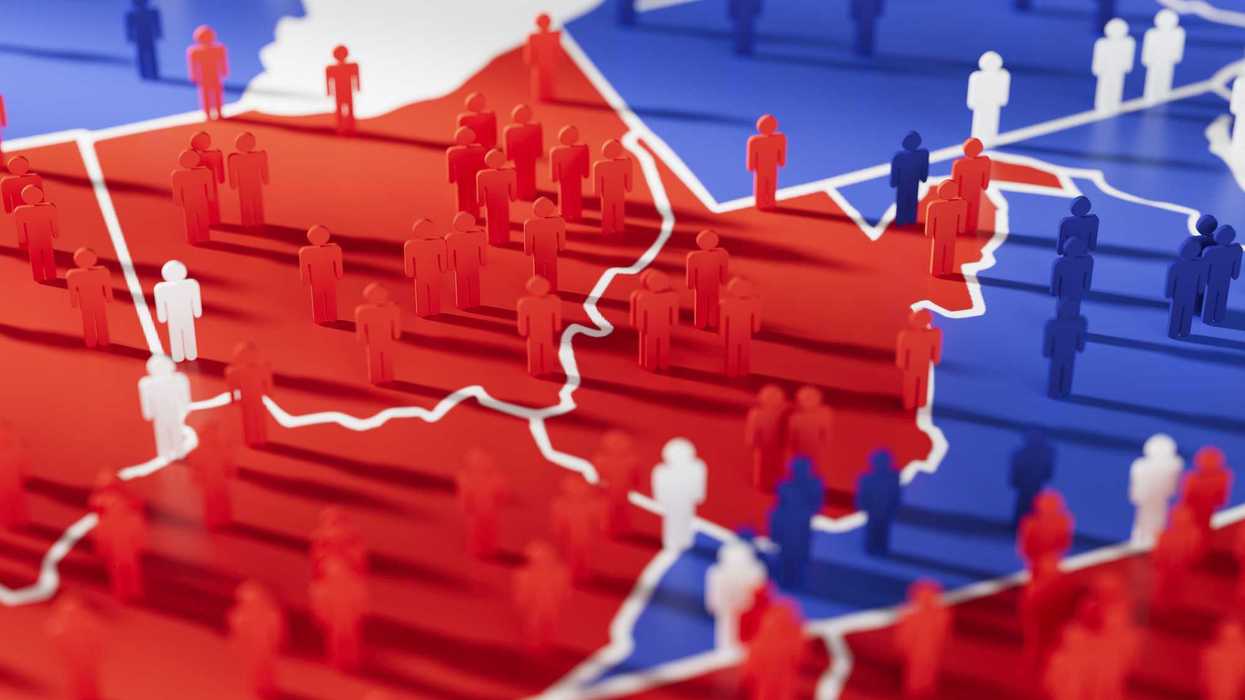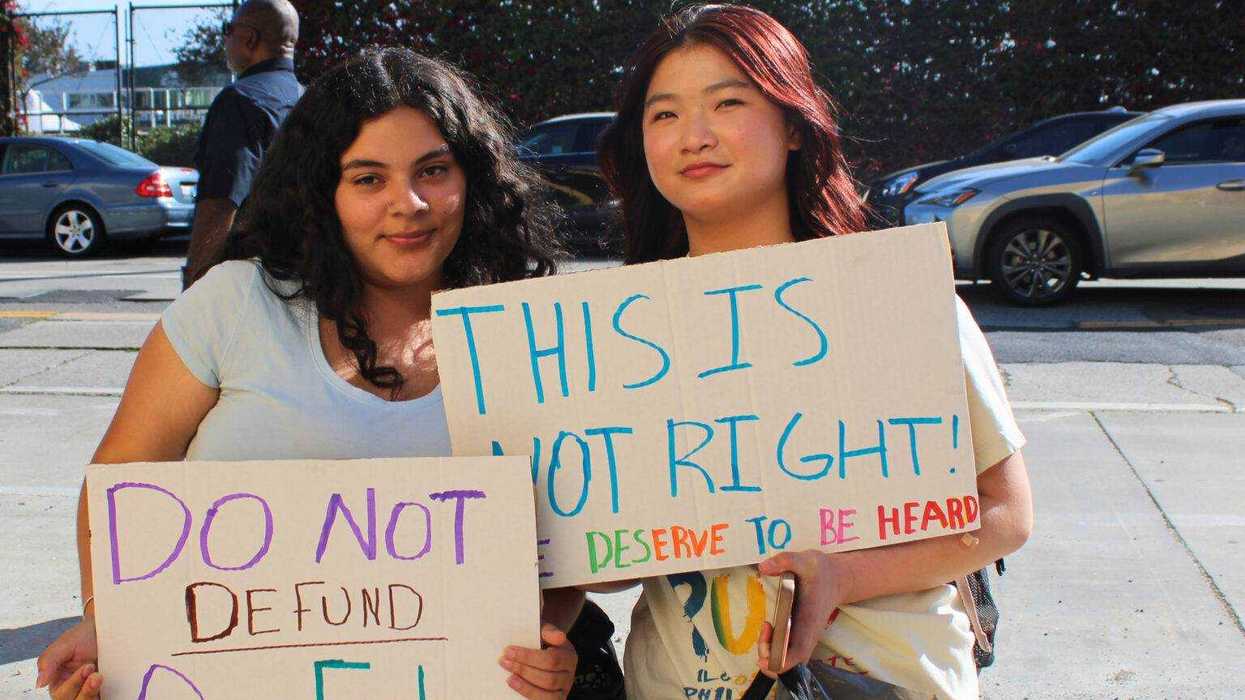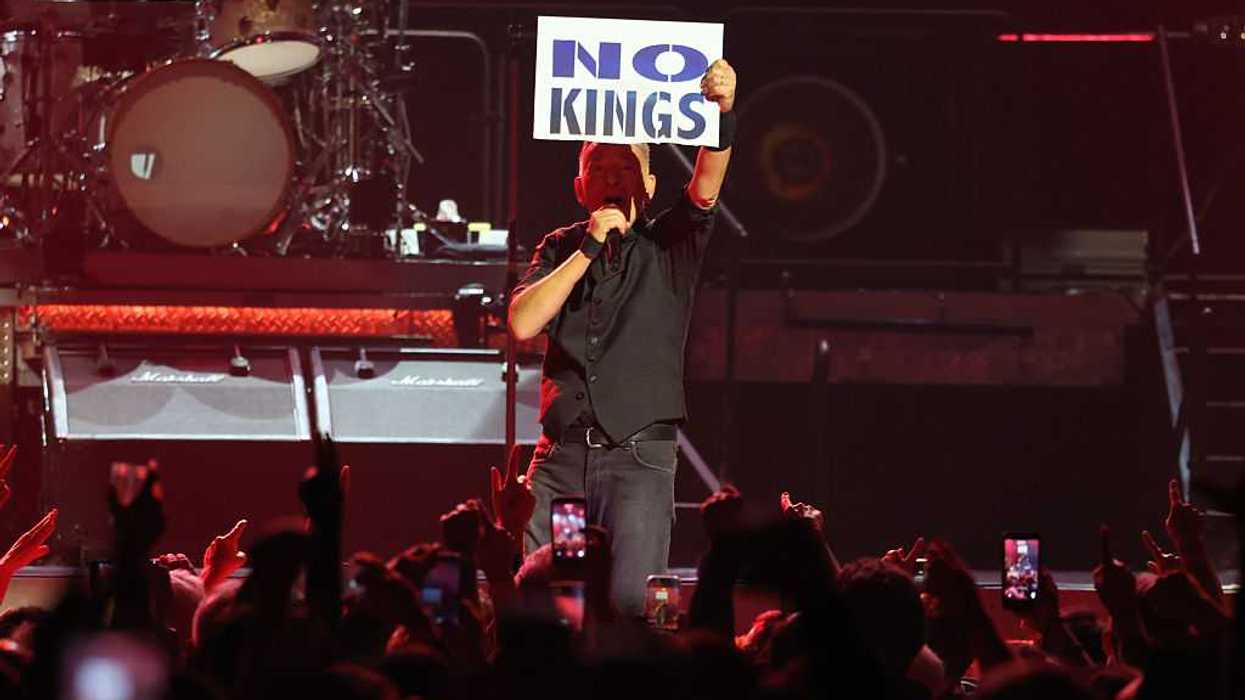
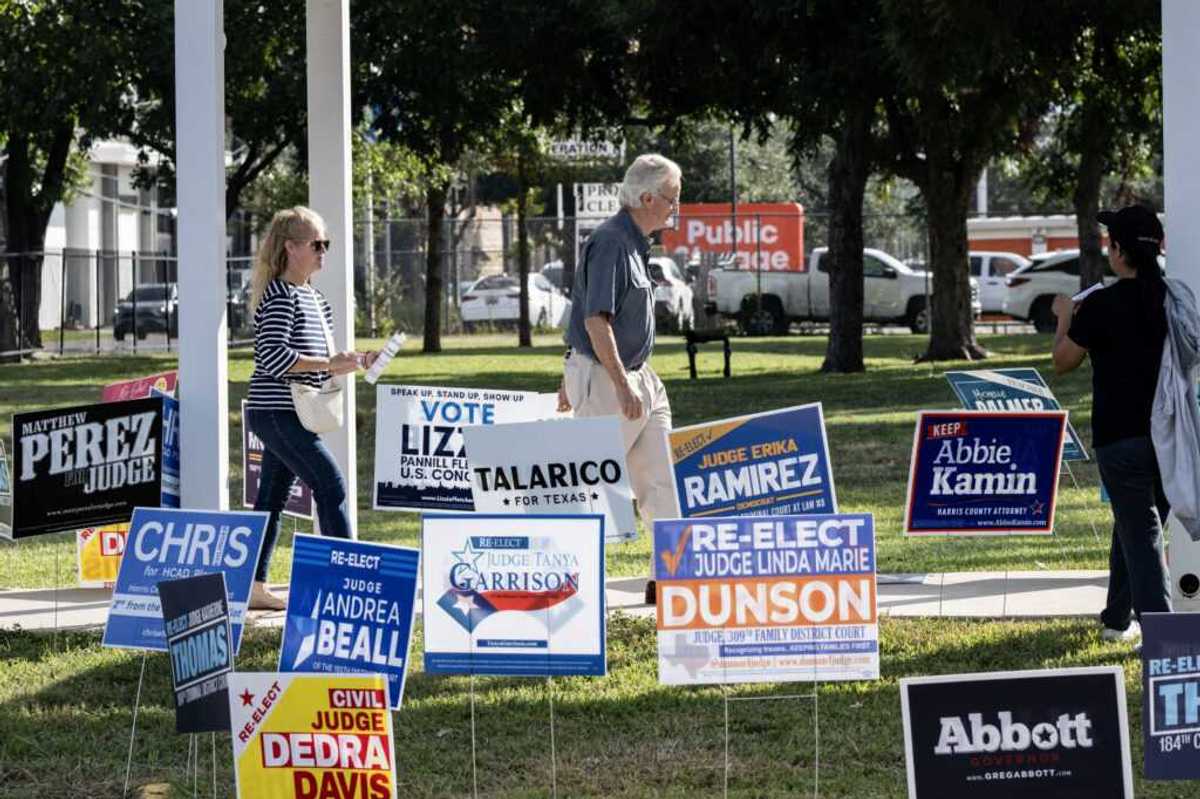
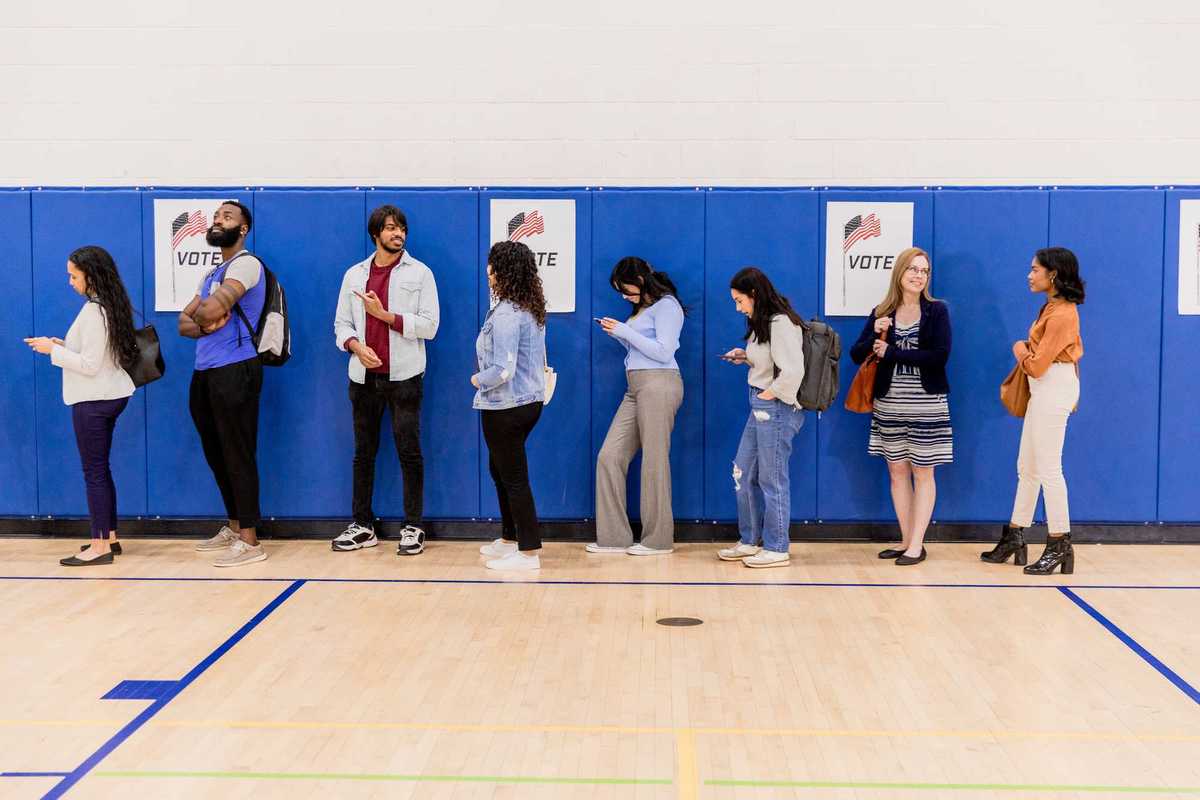
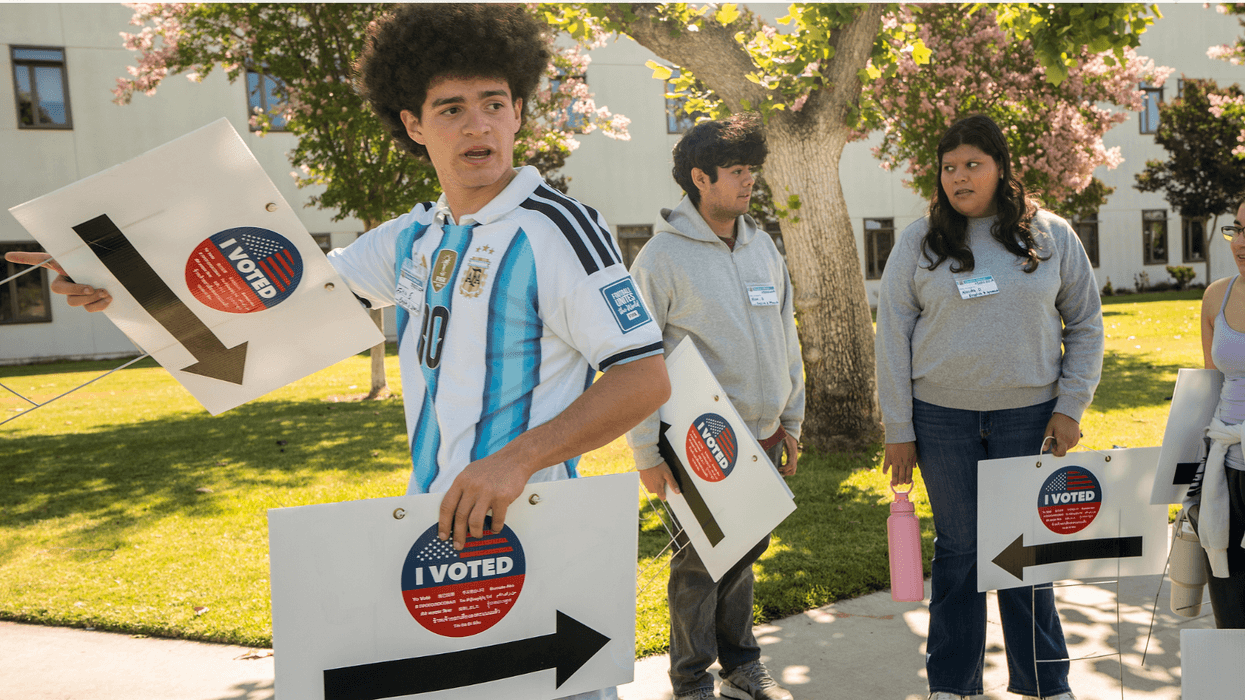

The 2026 midterm election season has been rocked by contentious primaries, candidate scandals, and a hunger from both parties to clinch the majority in a closely divided Congress. This rocky political environment serves as a unique moment to engage everyday Americans in a critical part of the democratic process. For young people in particular, who have much lower voter turnout rates than their older counterparts, getting involved in the midterms can be a catalytic first step toward becoming actively engaged citizens. How can democracy organizations seeking to engage Gen Z make the most of this opportunity?
The Politics of Lived Reality
As a college student involved with youth voter mobilization efforts myself, I have spent the past several years studying Gen-Z engagement alongside organizations like Every Vote Counts and the Campus Vote Project. What I’ve found is a simple trend: people care about the politics of their lived reality. Voting, writing to elected officials, protesting, and other forms of civic engagement are seen primarily as a tool to improve one’s own circumstances, from improving public transit so that getting to work takes less time to expanding SNAP benefits so that your family can have food on the table. Now facing an early-career job market disrupted by AI, above-average inflation, and stagnant wages, the policy decisions that matter most to young people are the ones that directly impact their wallets.
These observations are supported by a wealth of data: according to a recent study by Tufts University’s Center for Information & Research on Civic Learning and Engagement, 65% of 18- to 29-year-old’s name cost of living and inflation as their top issue. Similar research conducted by the Harvard Youth Poll and the Yale Youth Poll corroborate this finding, with affordability ranking as Gen Z’s most important issue, followed closely by housing and health-care costs. As consumer sentiment continues to decline and the job market continues to contract, young people’s economic concerns will likely only grow and will serve as the chief motivator for their political engagement.
However, pro-democracy organizations will only be able to engage the nearly 50 million members of Gen Z eligible to vote this fall if they can successfully connect youth’s discontent with their material conditions to showing up at the ballot box. Doing so won’t be easy.
The Collapse of Agency
The primary barrier to engaging young people in elections isn’t disdain or disconnection but the belief that voting just won’t make a difference. Harvard’s 2026 Youth Poll found that half of all young Americans now agree that “people like me don’t have any say in what the government does,” a figure that has risen 15 points since 2017 across party lines. Trust in the federal government to do the right thing all or most of the time has also fallen to 15%, its lowest recorded level in more than 50 years. And hope about the future of America among young Democrats has collapsed from 78% to 12% in five years; even among young Republicans, hope has dropped 10 points in the past year alone. In my own experience leading voter registration drives, I’ve found these statistics to hold true. The young people I speak to often believe that their vote doesn’t matter because they live in a noncompetitive district, or think that even if they did vote, the politicians they elected wouldn’t really represent their values. What’s the point in being politically engaged if you can’t control who comes to power or believe that they won’t stand up for you?
Thankfully, this decline in perceived agency is not matched by a deterioration in democratic values. Strong majorities of 18- to 29-year-olds in Yale’s youth poll stated that it would be unacceptable for a president to carry out military strikes without congressional approval, cancel congressionally approved funding, and continue policies after courts have ruled them unlawful. Gen Z believes, in principle, that democratic guardrails should hold. The problem is that they increasingly doubt anyone is defending them or believe that their own electoral participation could make a difference.
This is what distinguishes the current moment from simple disillusionment with the political system writ large. Gen Z sees a gap between our nation’s values and the ability of politicians and everyday people alike to bring them to fruition. For as long as I have been politically conscious, elected officials seem to rarely get anything done, and the decisions they do make seem to have almost no effect on my daily life. Thus, connecting democratic health and lived experience isn’t intuitive for most young people, and that makes illuminating the power of civic engagement that much more important.
The Disconnect: Issues Without a Theory of Change
After all, the Kettering-Gallup Democracy for All Project found that just 53% of adults aged 18 to 29 agree that democracy is the best form of government, the lowest of any age group. Similarly, only 19% say democracy is performing well right now. More broadly, only 25% of US adults believe “the people’s role in the democratic process” is working well and are almost evenly split on whether ordinary citizens have real power to create change: 35% say they have at least a moderate amount, while 33% say they have very little or none.
These unfavorable perceptions aren’t the result of a dismissive attitude but of the friction that people experience when trying to become democratically engaged. Nearly three-quarters of Americans in the Kettering-Gallup project reported facing multiple barriers to getting involved in causes they care about. Notably, 43% say that this is because they haven’t been invited or encouraged to participate, and 42% say they’re simply unsure how to get involved. This data has clear lessons for pro-democracy organizations. Rather than selling young people on the intrinsic value of democracy, the more urgent gap is showing them how to get involved in the first place. For instance, when I served as a resident advisor at my university, I asked the first-year students I supervised to tell me about a community issue challenge they cared about. After connecting them to local nonprofits addressing that issue, they got involved, and several have continued to do impactful work.
According to the same Kettering-Gallup report, people who volunteer, attend community events frequently, or feel a strong attachment to their local community all had a stronger belief in their power to create change. Similar effects resulted from both formal, in-school civics instruction and informal exposure to civics education, such as conversations with parents or other adults about politics.
I can attest to the effectiveness of civic education because of my own personal experience. My passion for youth civic engagement started with my grandfather, a lifelong civil rights activist and history teacher. As I was growing up, he regularly shared stories with me about the positive impact he was able to create in his community, and he pushed me to think critically about how I can use my own voice to affect change. My high school civics teacher built on this idea by pushing our class to stay current with political news, examining how local city council policies directly influenced our lives, and encouraging us to join service organizations. Because of these influences, I now see myself as an actively engaged citizen with the power to shape policies and help others. And I know that pro-democracy organizations can help other young people learn to feel the same way too.
How to Engage Gen Z
There are a variety of practical strategies for getting young people involved in civic life.
1. Meet people where their attention already is. Groups that lead with institutional language about “democratic norms” and “checks and balances” when their audience is wondering whether they can pay their rent are speaking past the people they’re trying to reach. Philanthropy for Active Civic Engagement’s Civic Language Perceptions Project is a great resource for identifying what language resonates with everyday Americans, young people included.
2. Build the connective tissue between local involvement and national efficacy. Community attachment is one of the strongest predictors of believing one’s voice matters. That means volunteering, attending a town hall, and showing up to local events aren’t substitutes for “real” democratic engagement, but an on-ramp to it. Efforts like the Students Learn Students Vote Coalition’s Campus Takeovers make getting out the vote not just a civic obligation but also a way to make friends and have fun.
3. Reduce friction and informational barriers. Getting to the ballot box should be as easy and simple as possible, but a lack of accessible resources and knowledge often prevents Gen Zers from doing so. Pro-democracy groups should illustrate how particular candidates and ballot issues relate to young people’s everyday lives. Similarly, civics education resources like those provided by Project Pericles can make participating in elections easier by making it understandable.
Beyond the Midterms
Of course, the few months before an election is nowhere near enough time to fully restore young people’s trust in government, hope for a better future, or belief that their voice matters. The task ahead for pro-democracy organizations isn’t to manufacture enthusiasm our generation doesn’t feel. It’s to take the first step toward combating demoralization by giving young people a concrete way to see that their participation can change something. By using resonant language, creating opportunities for community involvement, and investing in civics education, let’s help young people gain the confidence they need to propel our democracy another 250 years.
This article was originally published as part of From Many, We, a Charles F. Kettering Foundation blog series that highlights the insights of thought leaders dedicated to the idea of inclusive democracy.
Jason Vadnos is an undergraduate at Vanderbilt University and a 2025–2027 Obama-Chesky Voyager Scholar. As a civic impact assistant for Project Pericles, he investigates youth civic engagement in higher education.