

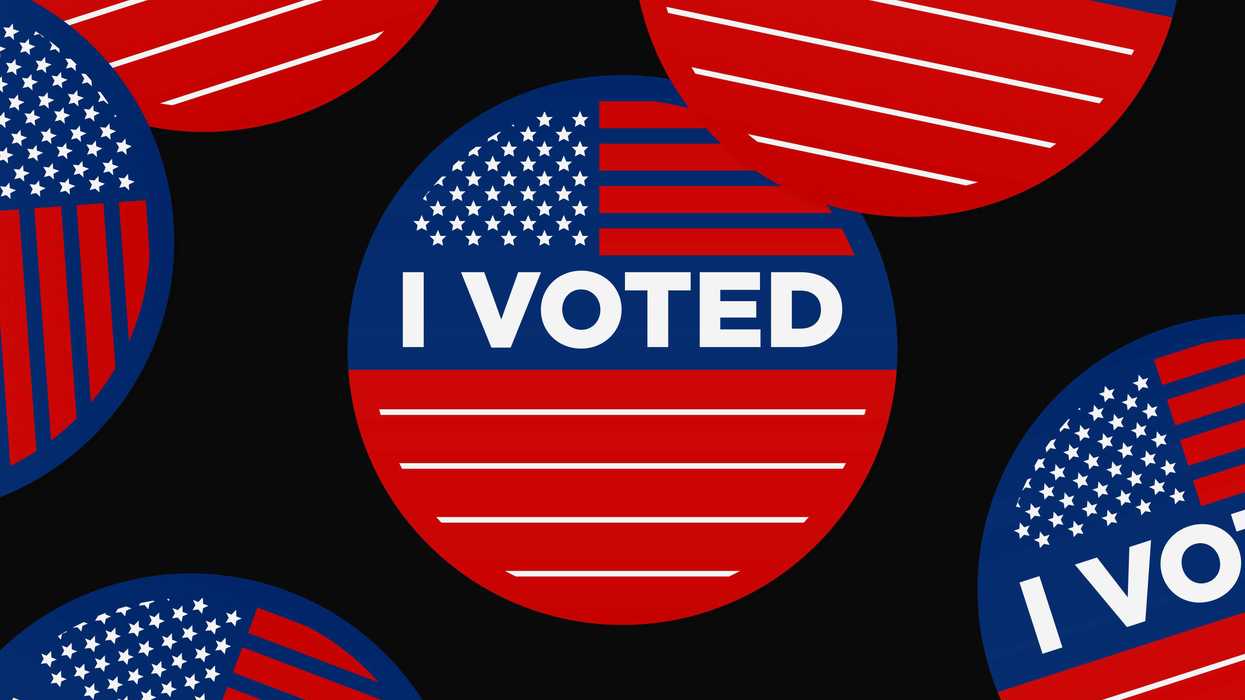
As a resident of Minneapolis, Minnesota, I can recognize the legitimacy of the looming threat of ICE deployments at polling stations to intimidate and influence voters this fall during the midterm elections. In our state alone, we need 30,000 election judges to ensure a smooth election takes place. To fight against this threat and ensure we have free and fair elections, it is time for more community members to become election judges.
When I was in my senior year of high school, I reached out to the county office in Norman County, Minnesota (located in Northwestern Minnesota). Following a phone call, I was selected to serve as an election judge trainee for the 2024 presidential election. As the only trainee for our county, I gained valuable communication and leadership skills, while also learning about the inside workings of a polling station. In discussions with classmates then, and since, I have been continually shocked to realize how few people are aware that they can serve in this role, let alone what being an election judge means. Moving to the Twin Cities and serving during the 2025 Minneapolis Municipal Election further showed me the lack of awareness surrounding election judging among today’s youth. This experience also further enriched my perspective as to the value of this service.
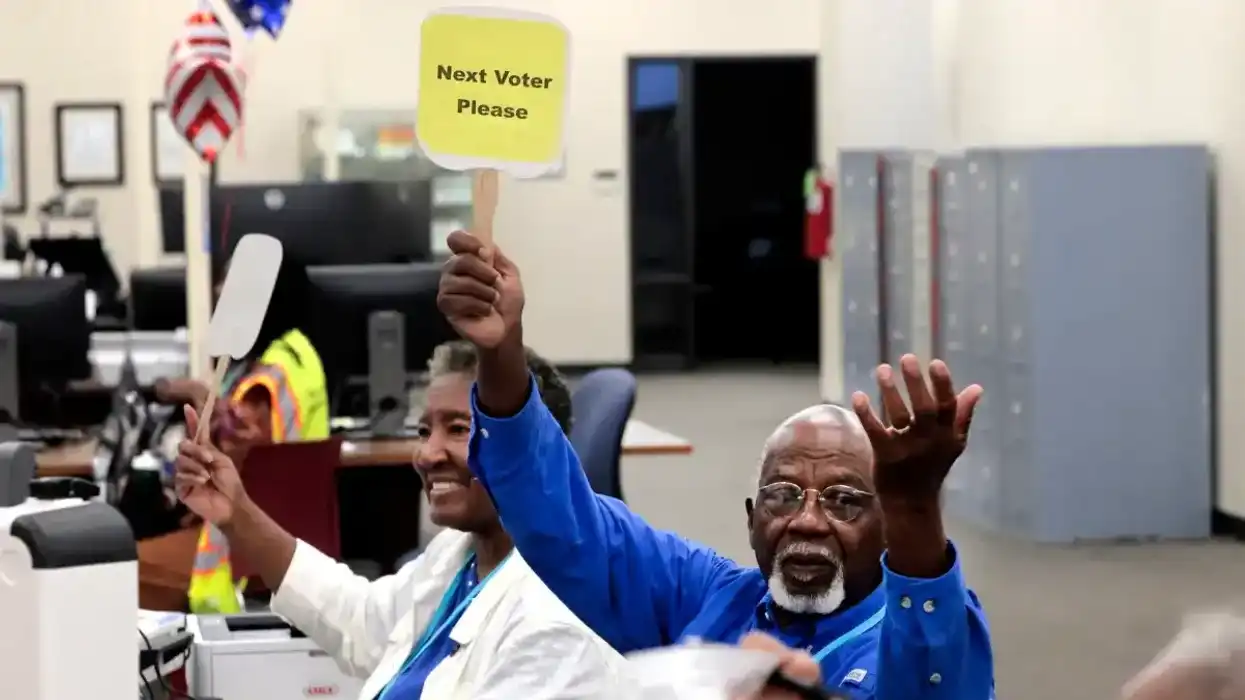
An election judge is a temporary paid state election official who is trained to handle all parts of the voting process at the polling place. Election judges can take up numerous positions throughout the polling station to help voters get where they need to be on election day. Some examples of typical stations at a polling place include the greeter, the voter registrant, and the ballot counter.
When I first served, I was grateful to have been trained into the role by the many incredible public servants within the Norman County election office. To see the innerworkings of an election for the first time, at 17, was incredibly fascinating. In this role, among other responsibilities, I aided the other election judges in helping open and sort envelopes, count ballots, and carry boxes around the polling place. This experience opened my eyes to a new avenue of the world of public service that I had never heard of before. It gave me greater appreciation for the hard work that makes our electoral process possible.
Moving to the Twin Cities, I was excited to serve once more as an election judge in the 2025 Minneapolis Municipal election. Seeing the inner workings of an election in Minneapolis was fascinating as well. Similarly to when I served in Norman County, the support of my fellow election judges made this experience memorable and impactful in my personal and professional skill development. Among the stations that I took on in Minneapolis, my favorite was explaining the voting process to voters after they registered. Helping people understand their rights and how to engage in the voting process was truly special and rewarding. It made me so happy to hear from my fellow first-time voters (as I was 18 at the time), as well as from others who recognized the significance of this simple, yet impactful day. In the span of about three hours, I spoke to roughly 200 voters in this role.
Serving as an election judge is a valuable experience that I believe community members should take part in. It is a quick-moving role with different responsibilities that can be allocated based on personal strengths and weaknesses. Election day will be busy, but the job will be fun, and many incredible friendships will be made.
County and city offices are hiring throughout the country right now for both primary elections and the general election in November. If you are interested in serving as an election judge, I would strongly encourage reaching out to local county or city offices. There are both partisan and non-partisan affiliations available, and demand typically depends on the region you are looking to serve in. More information can be found on your local Secretary of State website.
Maxwell Fjeld is a community organizer and student at the University of Minnesota Carlson School of Management.