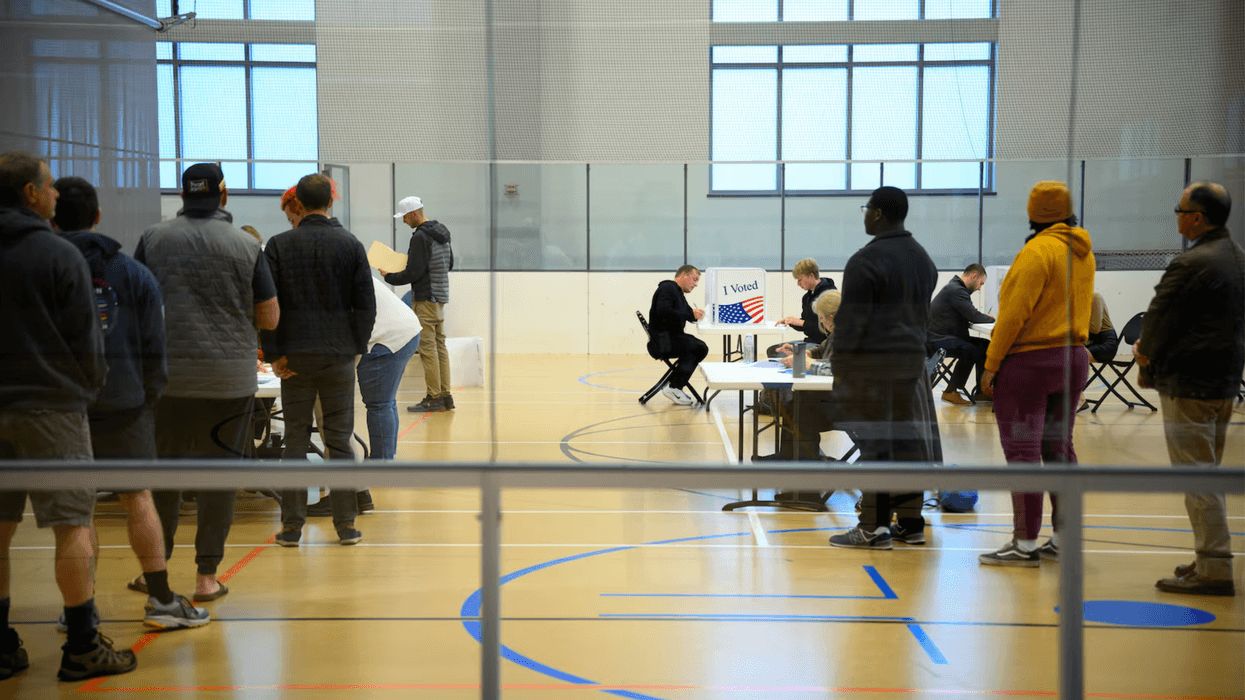
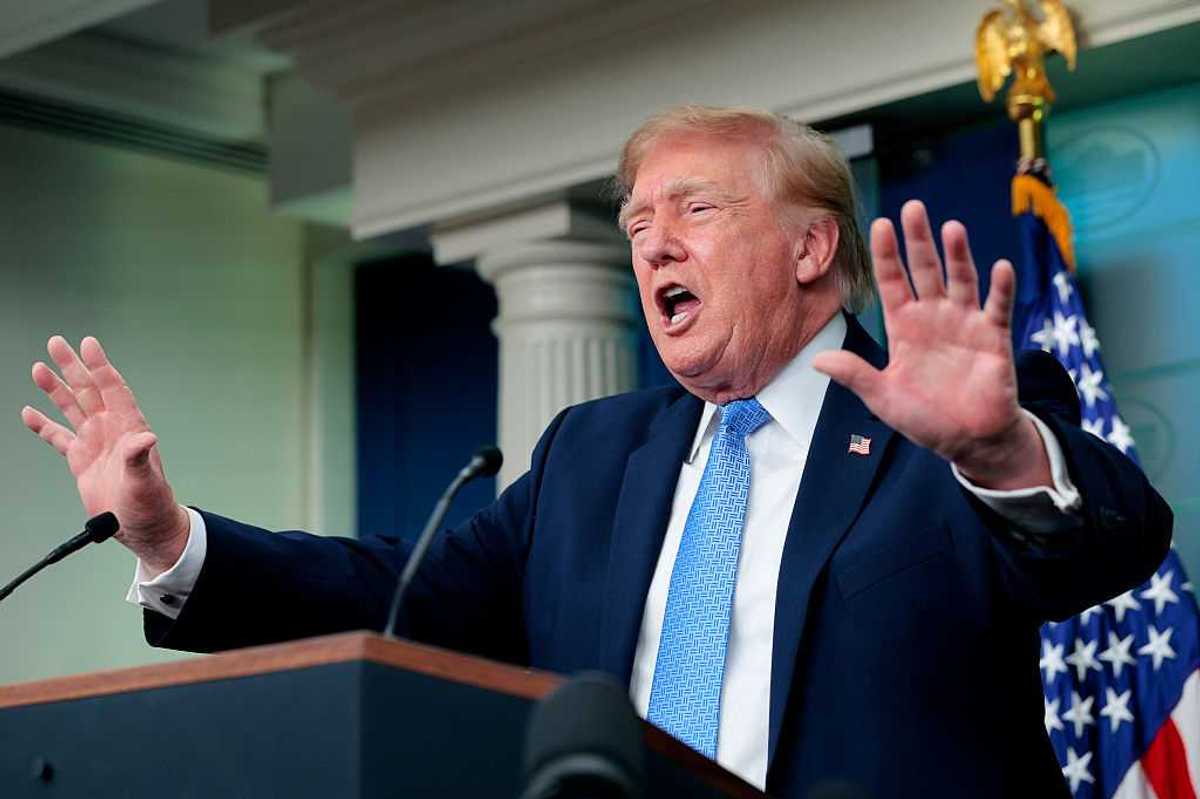


Two men went to a dog park in Ohio in April. One brought his Cavalier King Charles spaniel. The other brought his corgi. They had something in common: they loved their dogs. They also had something they disagreed about: Donald Trump. David Mattai, 55, thought Trump was the worst president in American history. Emmanuel Mathews, 80, thought he was the best.
Over the next 20 minutes, their disagreement became a shouting match, then a physical confrontation, then gunfire. Mathews shot Mattai, seriously wounding him. Mattai returned fire. Both men now face criminal charges. The precise circumstances remain disputed. A third dog owner, Jamie Jedlinsky, tried to stop the confrontation. Months later, he told The New York Times that Americans now believe they must pick a side and hate the other side. After everything that happened, Jedlinsky was certain of one thing: nobody's mind had changed.
Just six days later, The Times published another disturbing investigation. Between 2024 and August of this year, at least 44 governors, 70 senators, and 185 members of the House — nearly half the body — had been subjected to violent threats, along with members of their families and staff. Republicans and Democrats alike have received threats of murder and violence against their children.
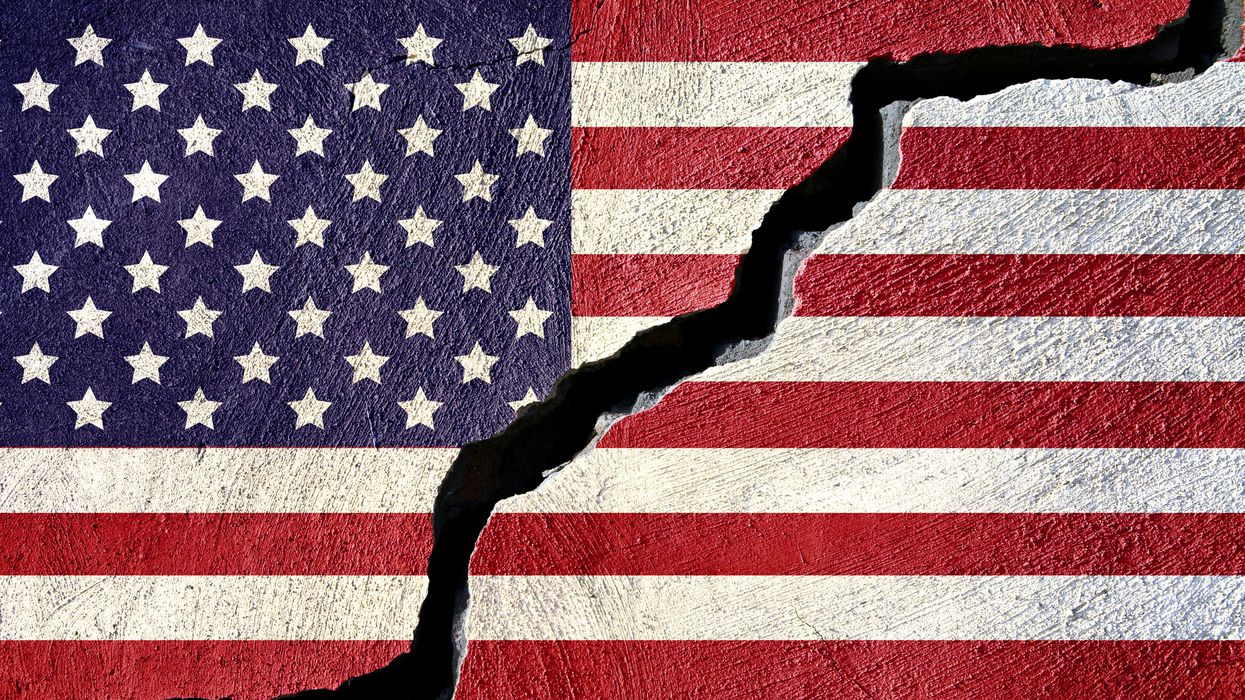
Something has gone badly wrong. While political violence is not new in America — and the Ohio dog-park shooting involved alcohol, physical aggression, and firearms as well as politics — these stories point to a larger problem. Americans are losing the ability to regard people with different political views as ordinary fellow citizens. That is the heart of America's cold civil war: a permanent struggle for national power in which every election feels like a fight for survival.
The hostility reaches ordinary relationships. A Pew study published in February 2026 found that 56 percent of Americans had stopped talking to someone about political news because of something that person said, up from 45 percent in 2024.
The media environment reinforces the divide. A study of 2.7 million Facebook and Twitter posts found that posts about political opponents were far more likely to be shared than posts about political allies. Anger attracts attention. Attention rewards more anger.
We are letting political disagreement decide whom we trust and with whom we associate. Why?
Economic insecurity, social isolation, declining confidence in institutions, and a changed media environment all contribute. One explanation, however, gets too little attention: our political system gives Americans powerful reasons to fear what happens when the other side wins.
Two political coalitions of nearly equal size, holding profoundly different views of government, fight an endless battle for control of the same national institutions. Those institutions decide fundamental questions about abortion, immigration, guns, education, environmental regulation, religious liberty, and the Supreme Court. For committed partisans, losing a national election means being governed on their most important questions by people whose values they reject or even abhor. Political disagreement becomes intensely personal. The other side becomes a threat to their way of life.
We keep asking Americans to be more tolerant, to listen to one another and to remember what they have in common. Those are worthy goals. But we are asking people to resist incentives our political system recreates every election cycle.
There is a better approach.
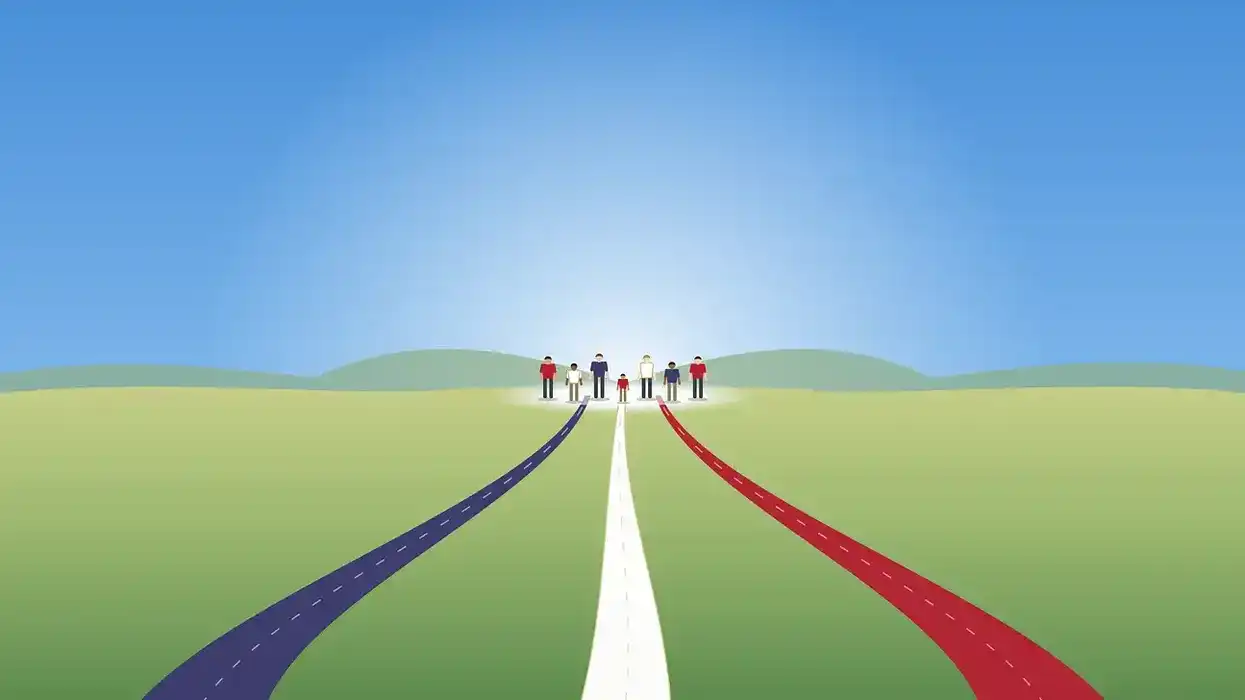
Elsewhere, I have proposed reorganizing the United States into an American Union: one country consisting of two semi-autonomous democratic republics, Red America and Blue America, composed of states that democratically choose to join them. The republics would share a common currency, a unified military, an integrated national market, and freedom of movement. Each would adopt its own modern constitution and govern most domestic matters.
The purpose is not to separate Americans, but to end the struggle to impose one coalition's domestic policies on the other. Americans would continue living, working, and maintaining relationships throughout the country. What would change is what they stand to lose when the other side wins.
An American Union would not divide Americans into politically homogeneous camps. Democrats would remain in Red America, Republicans in Blue America, and both republics would have substantial political minorities protected by constitutional guarantees. Everyone would retain the freedom to live, work, and travel throughout the country. We would divide governing authority, not the people themselves.
An American Union would require broad democratic consent, enforceable minority protections and a legitimate constitutional transition. It would not end all partisan media, misinformation, or the potential for political violence. But it should mitigate those risks by changing what makes political disagreement feel like an existential threat: the need to control the same national institutions to decide how the other side must live.
Which brings us back to the dog park in Ohio. David Mattai and Emmanuel Mathews did not go there to debate the future of American democracy. They went because they loved their dogs. They had something in common that should have mattered more than their disagreement about Donald Trump. It didn't.
We cannot keep turning every election into a fight over whose values will govern everyone else and then wonder why Americans treat their neighbors as enemies. If we want to live together, we must stop requiring one side to rule the other.
Jordan Karp is a lawyer and writer based in New York with a keen interest in American political culture, institutional reform, and civic life.