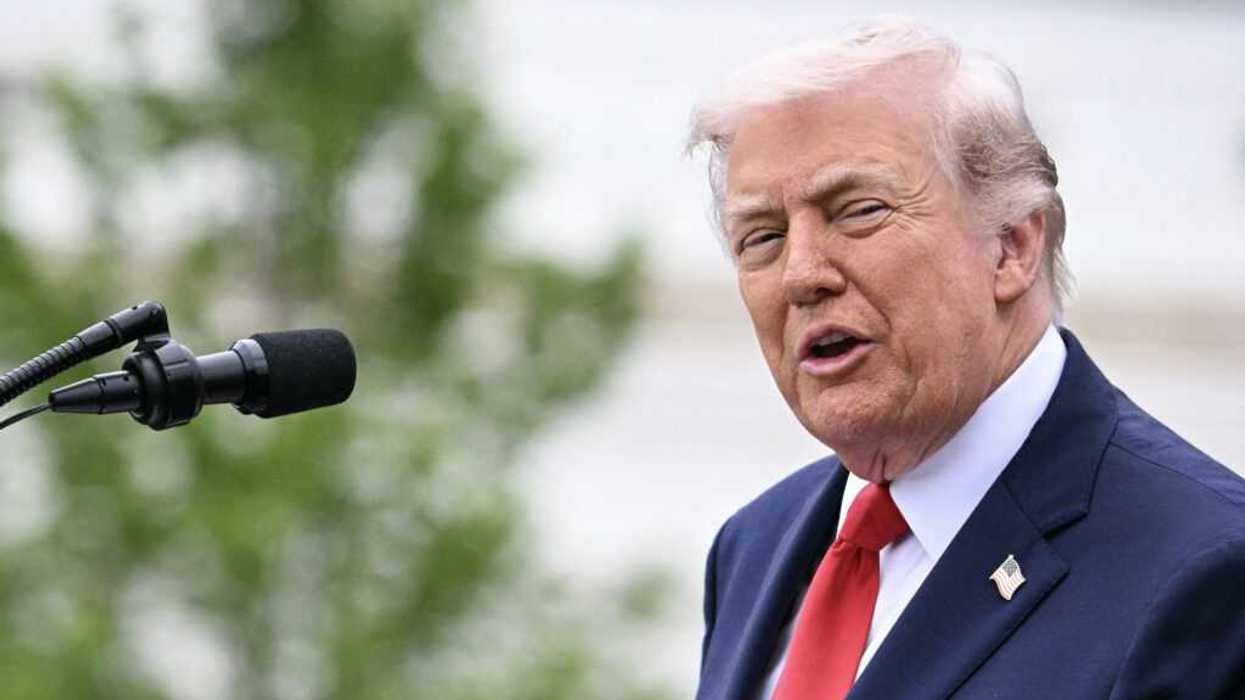


Despite the consistent determinations that US elections are secure across the country and there is virtually no evidence of non-citizens voting, in reports released as recently as September 2026; President Trump has doubled down on his claims that voter fraud is a major problem in America and on October 20th, he announced a new $25 Million Fraud Whistleblower program to be administered by the Department of Justice.
This announcement achieves a variety of the president’s goals: (i) It intentionally perpetuates the misinformation, that voter fraud is a serious problem in the United States; (ii) it undermines the trust in the voting systems, as well as in the states administering the elections; (iii) it fosters distrust amongst neighbors, who are more likely to suspect people of color and report them for a reward. This has the concomitant benefit of (iv) intimidating people who are in fear of going to the polls and (v) It gives the illusion that the federal government is prepared to give away more free money (along with the Tariff rebate checks, the Trump Accounts, the DOGE dividend, the direct payments for healthcare and the $5,000 for supporting GOP midterm candidates.)
The President’s efforts to sow confusion surrounding the election, are consistent with the GOP’s decisions to close more than 1,688 different polling sites across 13 states between the 2013 Shelby County v. Holder decision by the U.S. Supreme Court and 2018. After Shelby, the states were no longer required to notify voters of changes of polling place relocations.
In addition, since 2024, according to the Brennan Center for Justice, 22 states have enacted 38 restrictive voting laws which are in effect at the midterms, 12 states have enacted stricter voter ID laws or invalidated previously acceptable IDs for voting.
When one considers the impact of the gerrymandering wars, it is a wonder that anyone who is not a dedicated follower or a political devotee, will know where to cast their ballot and in advance of seeing their ballot, who they will be voting for.
The President in March, issued a sweeping executive order intended to federalize the administration of U.S. Elections. It would require people to prove their citizenship at registration, change the certification standards of voting machines, prohibit the counting of ballots postmarked before the election day but received thereafter. It would have also put DOGE and the Department of Homeland Security, in charge of monitoring the voter rolls and other available records. The courts blocked or suspended most of the president’s election initiatives, but this combined with the January 6th 2021violent assault on the Congress seeking to overturn the 2020 election, provide grim reminders of the extent to which the president will go to achieve his goal of retaining power.
In addition to his other efforts, Reuters reports as recently as October 14th, that it is highly probable that the President could:
- Allege election fraud or that voting machines have been compromised.
- Pressure election officials to change or cancel results.
- Seize ballots or manipulate voting machines.
- Have federal election monitors interfere with voting.
- Deploy ICE officers to provide an intimidating presence near polling sites.
- Deploy US troops to the polling sites.
- Declare a national emergency over voting fraud.
- Initiate federal investigations and charges against election officials.
- The GOP might refuse to acknowledge the election results (as some tried on 6 Jan 2021) and refuse to swear in the new members of congress.
These concerns are amplified, when combined with fact, that the GOP’s largest donors this election cycle, who have contributed $9.8 billion the through the 25th of September, (we note that the numbers have gotten fuzzier since the secret super PACs and Crypto contributors) have also been provided ample opportunities to evade election commission oversight.
So, what can you do.
- BY ALL MEANS VOTE
- If you have a mail in ballot return it as soon as possible.
- Several states have drop boxes to receive absentee ballots. If you can return your ballot early or have someone (if that is permitted in your state) return your ballot, to a drop box in advance of the election date.
- Mail your ballot in plenty of time to get there by the election date. Ten days before November 3rd, is recommended. As mentioned, some states will count ballots, as long as they are postmarked before the election date. Some will not. There is an effort by the president to force polls to cease counting on the date of the election. Do not risk this, vote early.
- Many states permit you to track whether or not your ballot has been received.
- If you have a mail in ballot return it as soon as possible.
- Vote Early
- Many states have early voting. Some open polls several weeks early, others permit early voting at the local election commission. Filing your vote early, provides the comfort of knowing you have voted and your ballot has been received, regardless of what happens on the day of the election.
- Demand your right to vote
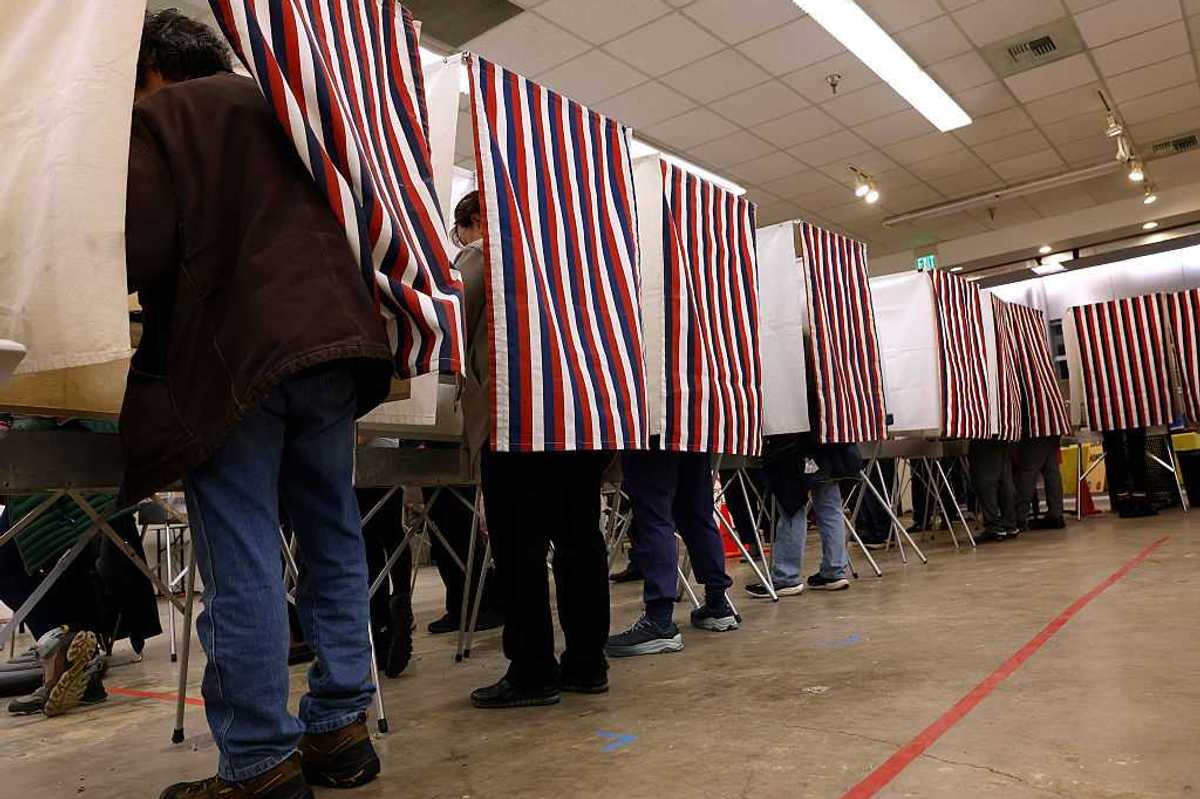
- If you are at the polls on November 3rd, ensure that your vote is accepted. There will be poll watchers, representatives of political parties, legal advisers and others who will assist you to resolve any issues that may arise. In general, they are extremely professional, courteous and it is highly likely that they have dealt with whatever issue(s) you may have and will be able to craft a resolution.
- Do not let anyone take away your ability to vote or intimidate you. In the worst-case scenario, one of those lawyers or party representatives will escalate any challenge to your vote to the on-site supervisor, election commission or even the courts. In most cases, that is not necessary and most situations will be resolved quite easily. In some cases, and in some states, it is appropriate to cast a provisional ballot, while the issues are resolved.
Many people believe that this election is extremely important. That issue is for each individual to decide. What most of us can agree upon is, that if you are a citizen you are entitled to vote. In our democracy it is imperative that you exercise that privilege.
Walter H. White, Jr. is a member of the Board of Lawyers Defending American Democracy, a founding director and past chair of the ABA Center for Human Rights and has served as an election observer in the former Soviet Union on behalf of the Organization for Economic Co-operation and Development.