


Skip to content
Search

Latest Stories

Follow Us:
Top Stories

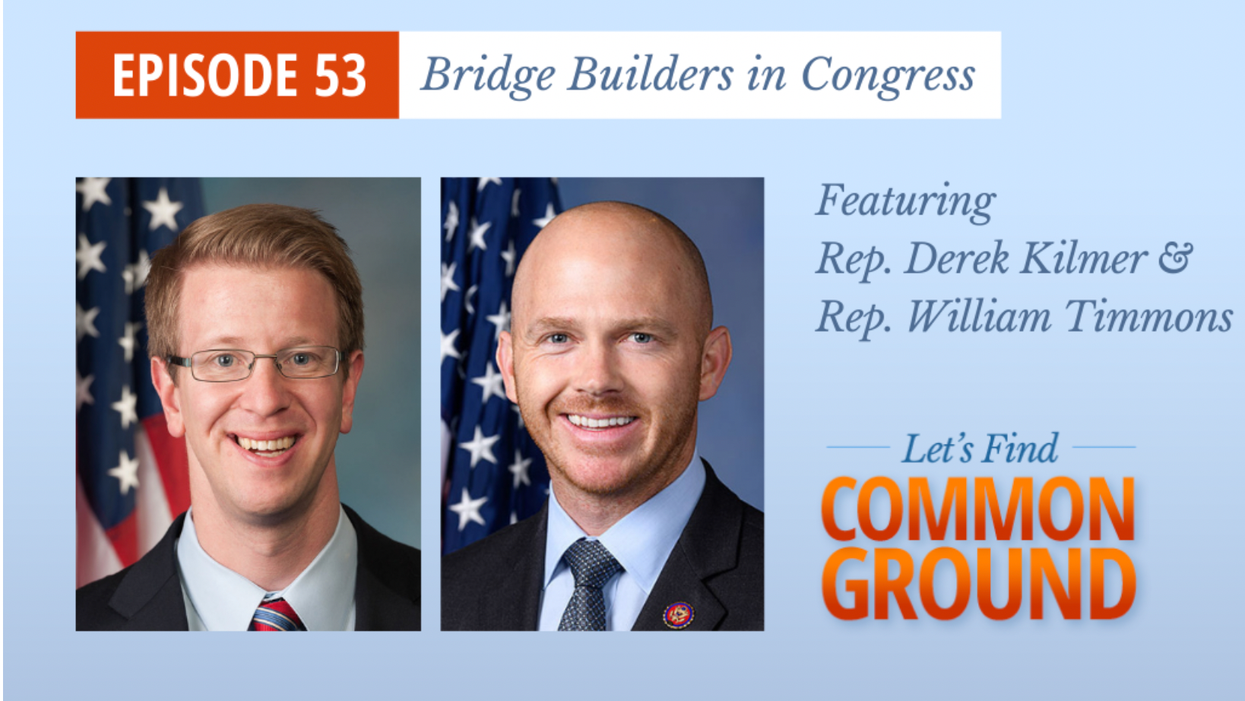
Podcast: Bridge builders in Congress

Podcast: Bridge builders in Congress

Polarization and division in the United States have reached such a point that they threaten our strength domestically and overseas. But today, bridge builders in Congress are making a concerted effort to work across the aisle and find common ground.

In this podcast episode of “ Let’s Find Common Ground “, Common Ground interviews two House members—Democrat Derek Kilmer and Republican William Timmons—about their support for The Building Civic Bridges Act and their work together on the House Select Committee on the Modernization of Congress.

Listen now


Read More

Latino Voter Landscape Shifts as Economic Pressures Reshape Support for Both Parties

Your Vote Counts postid

Latino Voter Landscape Shifts as Economic Pressures Reshape Support for Both Parties

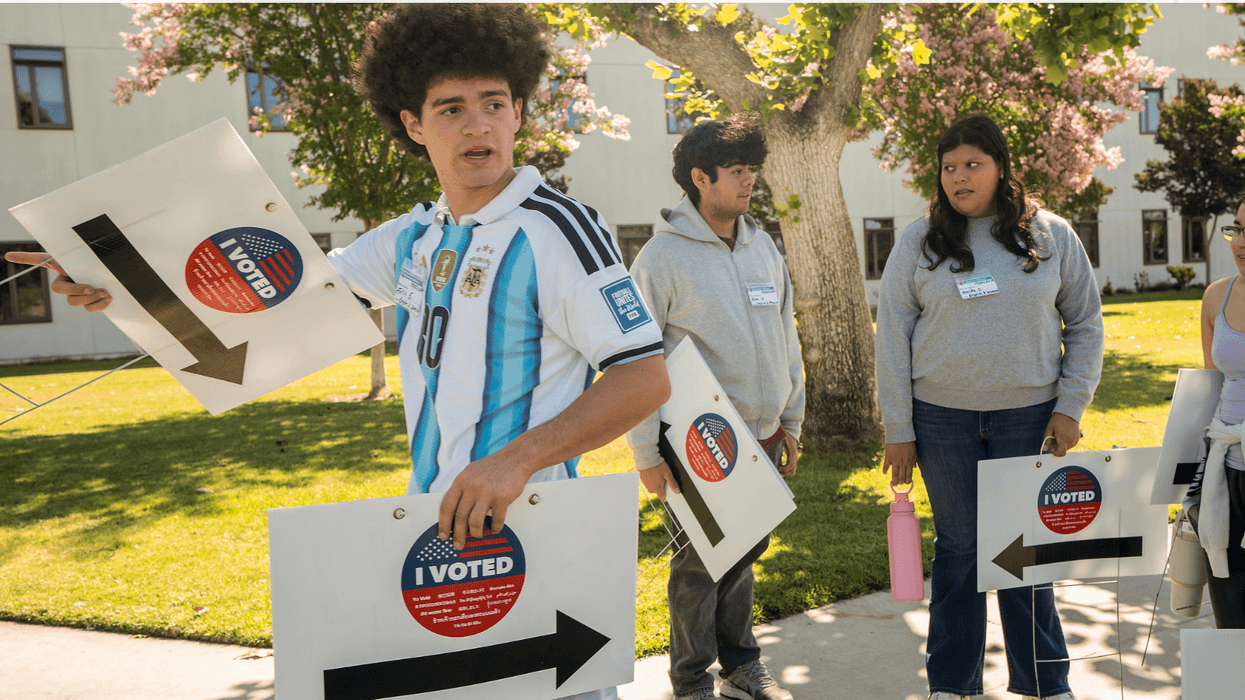
New polling and expert analysis reveal a shifting and increasingly complex political landscape among Hispanic and Latino voters in the United States. While recent surveys show that economic pressures continue to dominate voter concerns, they also highlight a broader fragmentation of political identity that is reshaping long‑standing assumptions about Latino electoral behavior. A Pew Research Center poll indicates that President Donald Trump has lost support among Hispanic voters, with 70% disapproving of his performance, even though 42% of Latinos voted for him in 2024, a ten‑point increase from 2020. Among those who supported him, approval remains relatively high at 81%, though this marks a decline from earlier polling.

At the same time, Democrats are confronting their own challenges. Data comparing the 2024 American Electorate Voter Poll with the 2020 American Election Eve Poll show that Democratic margins dropped by 23 points among Latino men, raising concerns among party strategists about weakening support heading into the 2026 midterms. Analysts argue that despite these declines, sustained investment in Latino voter engagement remains essential, particularly as turnout efforts have historically influenced electoral outcomes.

Keep ReadingShow less
Compassion and Common Sense Must Coexist in Immigration Policy
Changing Conversations Around Immigration
Leif Christoph Gottwald on Unsplash

Compassion and Common Sense Must Coexist in Immigration Policy

I am writing this not as a Democrat or a Republican, but as an American who believes that compassion and common sense must coexist. I understand why many people feel sympathy for those who come to the United States seeking safety or opportunity. That compassion is part of who we are as a nation. But compassion alone cannot guide national policy, especially when the consequences affect every citizen, every community, and every generation that follows.

For more than two centuries, people from around the world have entered this country through a legal process—sometimes long, sometimes difficult, but always rooted in the idea that a nation has the right and responsibility to know who is entering its borders. That principle is not new, and it is not partisan. It is simply how a functioning country protects its people and maintains order.

Keep ReadingShow less
SCOTUS Tariffs Case: Representative Government vs Authoritarianism.
scotus rulings voting rights, disclosure

SCOTUS Tariffs Case: Representative Government vs Authoritarianism.

The Supreme Court Learning Resources, Inc. v. Trump (Tariffs) and consolidated related cases relate to the following issues:

(1) Whether the International Emergency Economic Powers Act (IEEPA) authorizes the tariffs imposed by President Donald Trump; and

Keep ReadingShow less
Immigration Was the Loudest Silence in Trump’s State of the Union

U.S. President Donald Trump delivers the State of the Union address during a joint session of Congress in the House Chamber at the Capitol on February 24, 2026 in Washington, DC.

Immigration Was the Loudest Silence in Trump’s State of the Union

President Donald Trump spoke for 108 minutes during the 2026 State of the Union — the longest address in American history. He covered the economy, foreign policy, manufacturing, and national pride. But for all the words, one of the most consequential issues facing the country was reduced to a single statistic and then set aside.

Immigration — one of the administration’s signature issues — was nearly invisible in the address. A Medill News Service analysis shows the president devoted less than 10% of his remarks to the topic, amounting to roughly ten minutes in total.

Keep ReadingShow less