

Every mediation I run starts the same way. Two people who can't hear each other sit down with a third person neither of them sees as an ally of the other side. That last part matters more than anything I say in the room. The process only works because both parties trust that the person in the middle isn't playing for the other team.
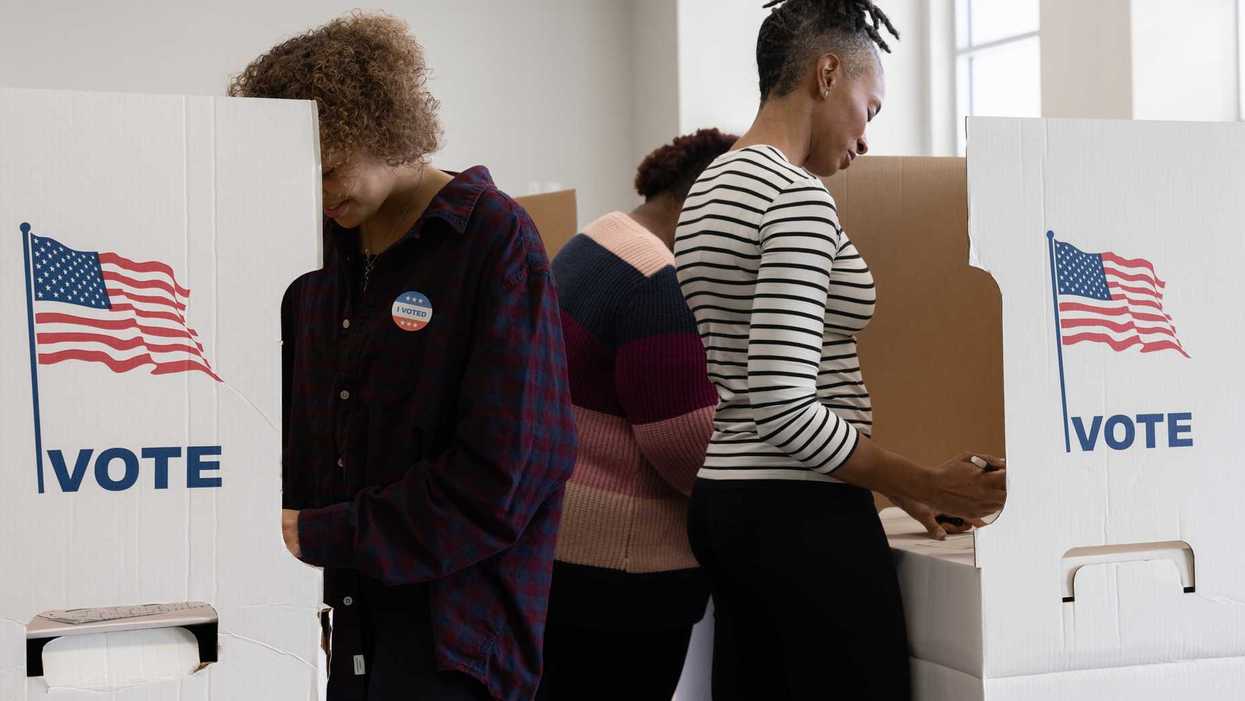
Earlier this month, the country voted. People showed up, and the people who lost accepted it. Whoever you voted for, that is good news about the system.
The obvious next thought is that someone now needs to bring the country back together. A respected leader, a bipartisan commission, a court, a trusted news anchor. Someone neutral enough to sit in the middle.
But there's a problem. It's increasingly difficult to find someone both sides trust and consider fair.
Think about who used to play that role. Judges are now described by which president appointed them. News outlets are sorted into red and blue. Even the officials who count our votes have been accused of picking sides. Whether those accusations are fair is beside the point. A neutral only works if both parties believe in the neutrality. Once one side stops believing, the chair is empty.
Some think the obvious answer is that we need to rebuild our institutions. Maybe so, but that skips a step. Institutions earn trust slowly and lose it fast. We can't wait for them to recover before we start talking to each other again.
This is where I would move the trust. Not up, to people with titles, but across, to the individuals we already know.
And that brings us to another problem. Nobody seems to be listening anymore. We're so busy thinking about how to respond to someone else's argument that we rarely take the time to understand what drives their opinions in the first place.
Thirty years of resolving disputes and structuring deals have taught me that ordinary people can make the best mediators. What actually moves a stuck conversation is rarely expertise. It is someone who stays calm while everyone else does not, and who asks a good question at the right moment.
You don't need a credential for that. You need three habits.
First, define the issue you are fighting about. Ask, "How would you define that?" and watch how often the argument shrinks. Nothing takes the heat out of an argument faster than trying to understand the other person.
Second, ask why. A position is what someone demands. Underneath it sits the reason, and underneath that sits a need they may not have words for yet. The loud demand is rarely the real need.
Third, ask what happens if you can't agree. Not as a threat, but as a genuine question. What does it look like if this goes on another ten years? When most people picture the cost of staying stuck, they soften a little.
Of course, nobody wants to be told they're wrong. That's one reason changing someone's mind is so difficult. The moment people feel their beliefs are under attack, they tend to defend them even more fiercely.
None of this asks anyone to give up their values. Mediation isn't splitting the difference on what you believe. It is finding the interest underneath a position, which is often where the overlap lives.
But what happens when someone isn't coming to the table in good faith?
Disagreement, even stubborn disagreement, isn't necessarily bad faith. When you suspect someone isn't engaging honestly, William Ury, in Getting Past No, advises going "to the balcony," stepping back from your emotional reaction to see what's actually happening. What appears to be bad faith may simply be hard bargaining, an unreasonable demand or an underlying concern you haven't yet uncovered.
The best approach is curiosity rather than confrontation. Instead of questioning someone's motives or rejecting their position, ask why it matters so much and listen for the concerns beneath it. Someone engaging in good faith may reveal something you can work with.
But genuine bad faith exists. If someone repeatedly misrepresents your words, refuses to engage with reasonable questions or uses the conversation to provoke or manipulate, it's important to recognize that productive dialogue requires some willingness from both sides. Sometimes the most constructive response is to establish boundaries or walk away, recognizing that a productive conversation isn't possible, at least not yet.
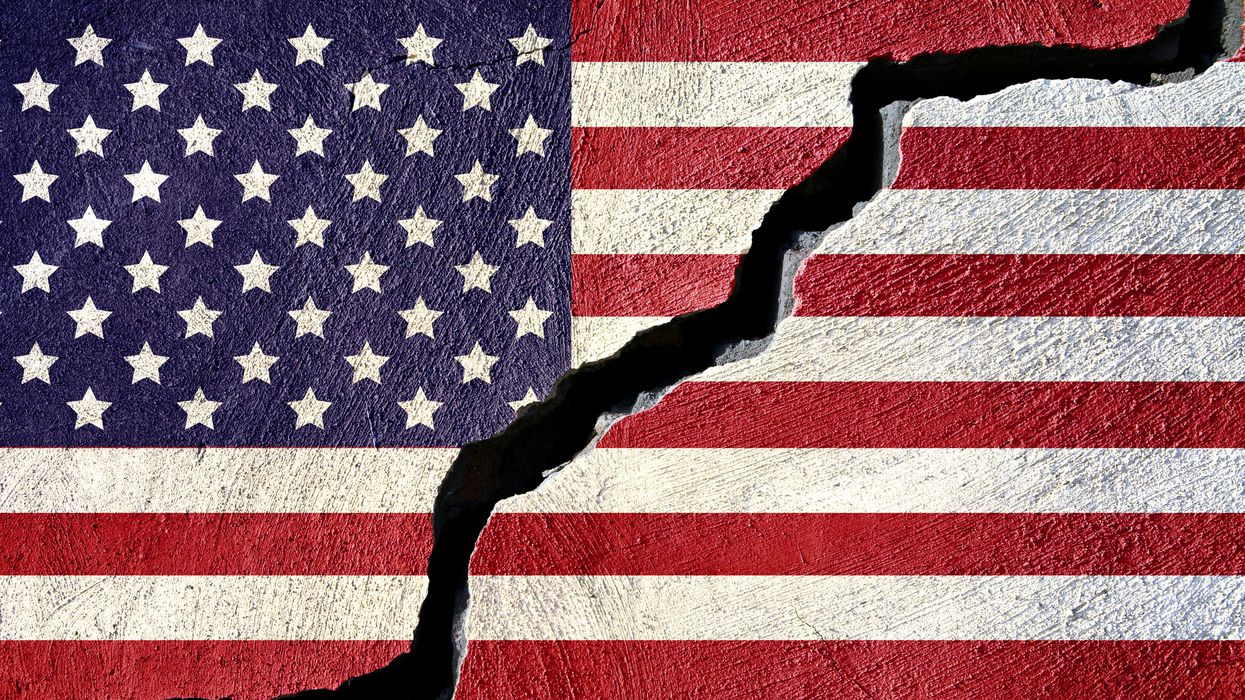
That is what should matter after this election. An election is a verdict. It decides who holds power, but it can't produce agreement, and verdicts get appealed. In politics, the appeal is the next election. This wave will be followed by another one someday, in some direction. If we wait for the winners to heal the divide, we will wait a long time. Winners rarely see why they should.
There is a quotation commonly attributed to anthropologist Margaret Mead that I keep coming back to: "Never doubt that a small group of thoughtful, committed citizens can change the world; indeed, it is the only thing that ever has."
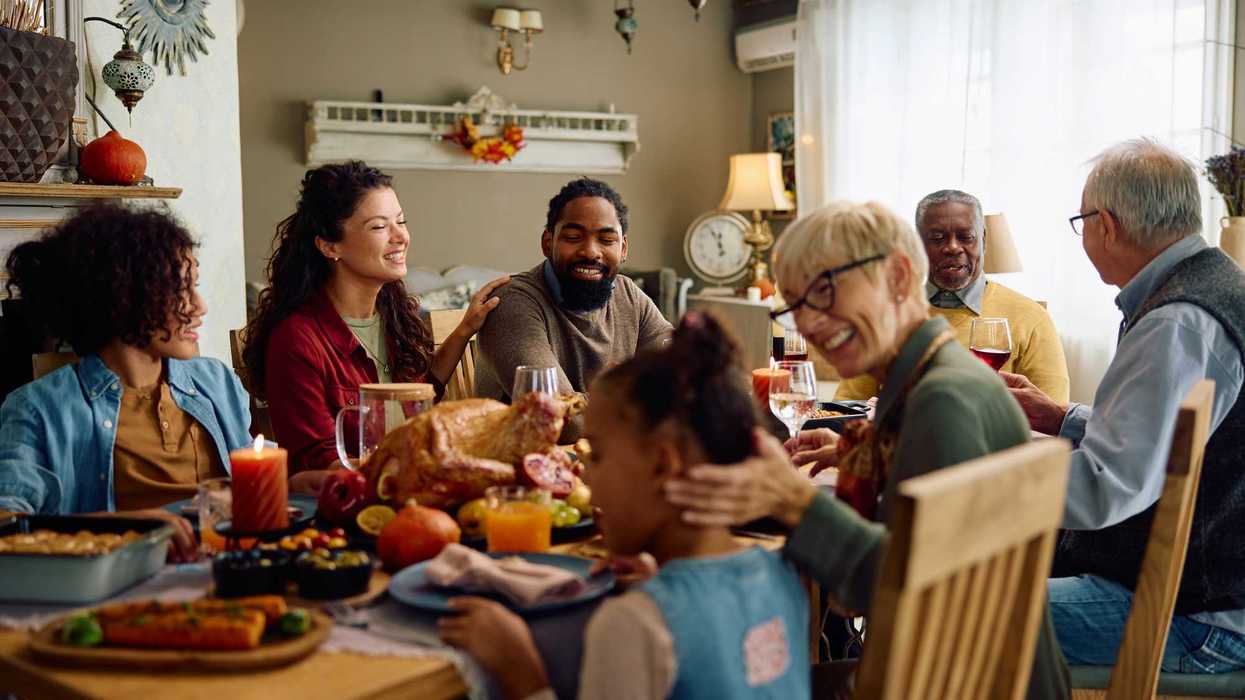
So here is a modest assignment. Before Thanksgiving, pick one person you disagree with. Not to win. To ask one question: Why does that matter to you? Then listen to the whole answer.
In other words, be curious, not furious.
Steven Corn is a mediator in Rockville, Maryland, and the author of Beyond the Argument: The Fight You're In Is Not the Problem You're Solving.