



Benjamin Franklin’s warning — “A Republic, if you can keep it” — was never meant to comfort Americans. It was a challenge. Franklin understood that a Republic survives not simply because a Constitution exists, but because each generation chooses to protect the principles that make self-government possible.
250 years later, America faces that challenge again.
The question before the nation is not whether democratic institutions matter. It is whether the guardrails designed to protect them are strong enough to withstand concentrated power, political division, and declining public trust.
The central concern is clear: a constitutional Republic depends on free and fair elections, independent institutions, a free press, and leaders willing to respect limits on power. When any of those foundations are weakened, citizens begin to question whether the system is working as intended.
The 2026 election cycle has intensified those concerns. Actions and statements from the administration involving election procedures, voting access, media relationships, and the role of federal authority have raised questions among democracy scholars, constitutional experts, journalists, and civic organizations about the appropriate boundaries of executive power.
The problem is not a single decision or moment. The problem is the cumulative effect of actions that test whether democratic guardrails will hold.
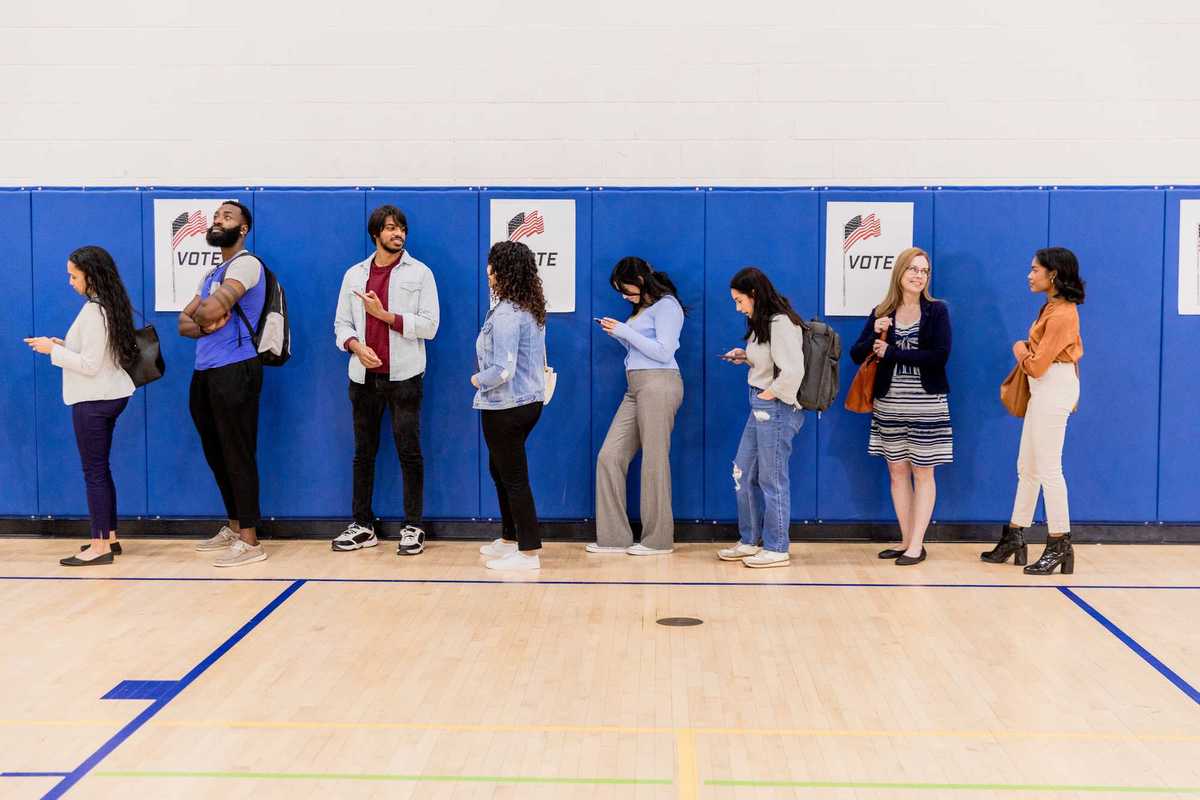
Elections are the clearest test because they represent the foundation of self-government. A Republic depends on citizens having confidence that their votes will be counted, that election administrators can perform their duties without improper pressure, and that political competition remains open to all eligible voters.
Recent history demonstrates both the vulnerability of elections and the strength of some safeguards.
In 2020, election officials in several states faced extraordinary pressure while carrying out their constitutional responsibilities. Officials in Georgia, Arizona, Michigan, and other states followed established procedures, certified results, and defended the integrity of their processes. Their actions demonstrated an essential lesson: professional election administration can serve as a powerful democratic guardrail when individuals place constitutional duty above political pressure.
Courts also play an important role in the response. Judicial review determines whether government actions comply with constitutional and statutory limits. Throughout recent years, courts have reviewed disputes involving voting procedures, executive actions, and election-related policies. These cases demonstrate that legal mechanisms remain available when citizens, states, and organizations challenge government actions.
However, solutions journalism requires examining not only what works, but also the limitations.
Court decisions often come after disputes have already developed. Litigation can take months or years. A legal victory may resolve one issue while leaving broader concerns about public trust and institutional stability unresolved.
Congress also has a constitutional role in maintaining accountability through oversight, legislation, and investigation. Yet the effectiveness of congressional oversight depends on lawmakers’ willingness to exercise that authority. When elected officials prioritize political loyalty over constitutional responsibility, a safeguard the Framers designed becomes less effective.
This is where citizens' role becomes central.
Franklin’s warning was not directed only at presidents, judges, or legislators. It was directed at the American people. The Framers understood that a Republic ultimately depends on civic virtue—the willingness of citizens to remain informed, engaged, and committed to the principles of self-government.
Across the country, citizens and organizations continue to use democratic tools.
Civil society groups have filed lawsuits challenging government actions they believe violate constitutional protections. Election organizations monitor voting systems and educate communities. Universities, researchers, and watchdog organizations study threats to democratic institutions. Journalists investigate government actions, provide public information, and hold leaders accountable through reporting.
These responses matter because they demonstrate that democracy is not passive. It is an active process maintained by people who participate.
The evidence shows that these efforts can make a difference. Election systems have continued operating. Courts have provided review. Investigative reporting has uncovered information the public needed to know. Civic organizations have created avenues for legal challenges and public engagement.
But the limitations are equally important.
Citizens cannot replace institutions. Journalists cannot enforce laws. Advocacy organizations cannot assume the responsibilities of elected officials. Courts cannot resolve every dispute immediately. Democracy depends on each part of the system fulfilling its role.
That is why so many Americans feel exhausted and discouraged. They are not only responding to individual political conflicts. They are confronting a deeper concern: whether institutions designed to protect the public are responding quickly and effectively enough when democratic norms are challenged.
The danger of democratic fatigue is real. When citizens believe their voices do not matter, they may withdraw. When people stop participating, the institutions that depend on public involvement become weaker.
The solution is not cynicism. It is sustained civic engagement.
Congress must use its constitutional oversight responsibilities. Courts must continue to review government actions independently. Election officials must protect fair and transparent administration. Journalists must continue informing the public. Civil society organizations must continue providing legal and civic resources. Citizens must participate beyond Election Day by voting, attending public meetings, contacting representatives, supporting credible information sources, and holding leaders accountable.
A Republic does not survive because its guardrails are never tested. It survives because people strengthen those guardrails under pressure.
The greatest lesson of this moment is that democracy cannot be preserved by institutions alone, nor by citizens alone. It requires both: leaders who respect constitutional limits and citizens who insist that those limits matter.
Franklin’s warning remains as relevant today as it was in 1787. He did not ask whether America would have a Constitution. He asked whether Americans would commit to keeping the Republic the Constitution created.
The responsibility remains where Franklin placed it. With the people.
A Republic, if you can keep it.
_________________________________________________________________________
Carolyn Goode is a retired educational leader and technical writer whose work centers on civic responsibility and democratic engagement.









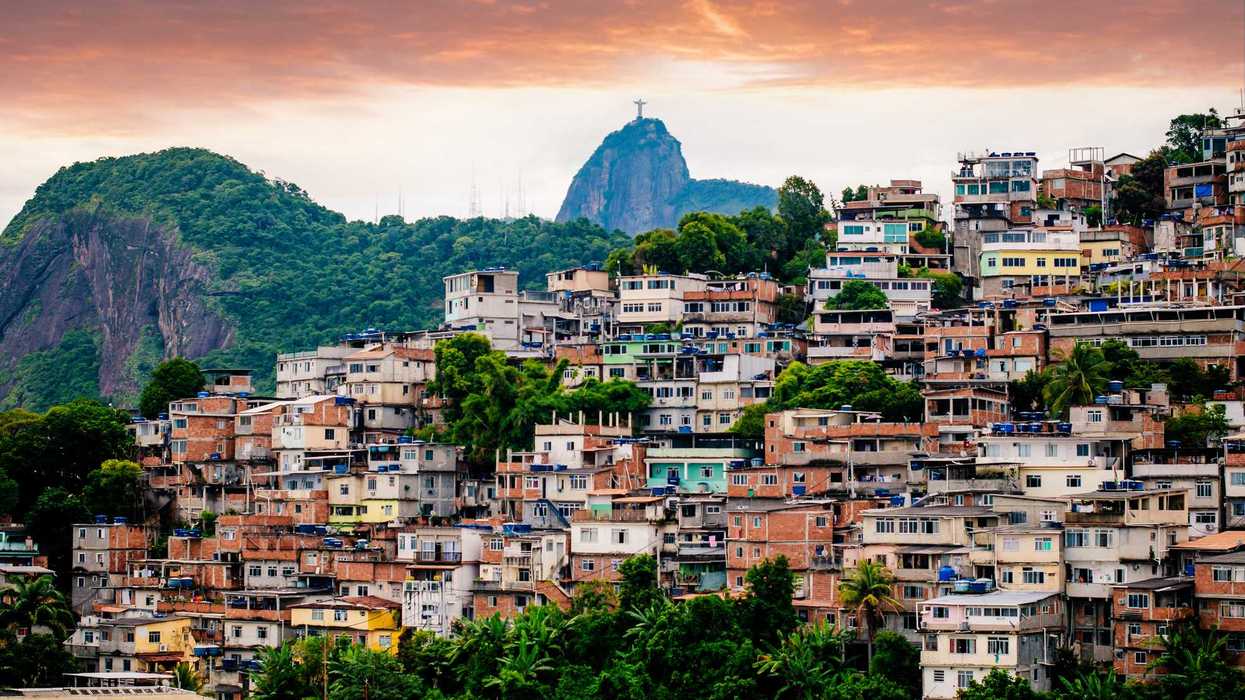
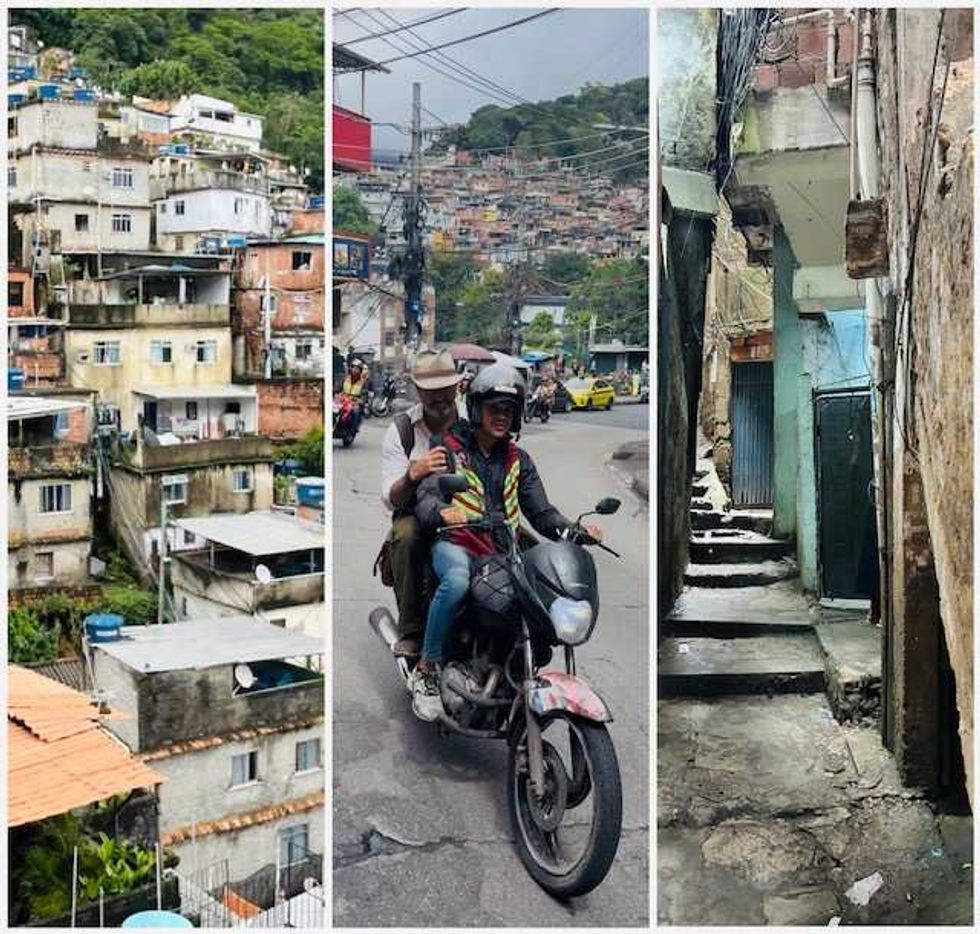 Scenes from Favela Rocinha, Brazil - (R-L) Rows of brick homes, Hugo Balta on a motorcycle taxi, and steep, winding roadsHugo Balta
 Following our HWF Civic Futures kickoff last week with Eric Liu, our design partners at Public/Official have created a unique visual to capture the “civic scaffolding” spirit of this conversation.
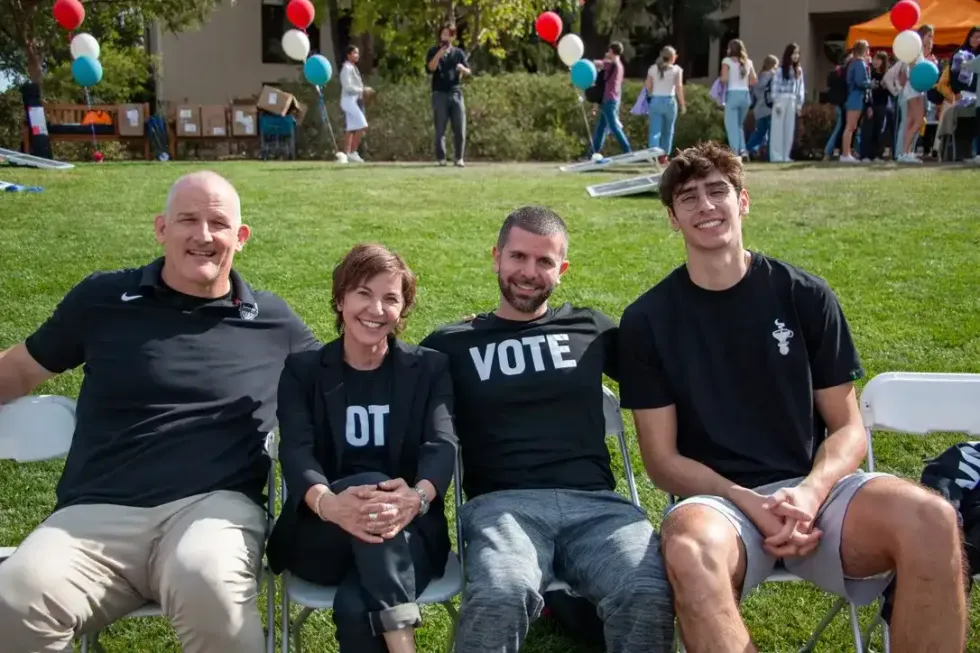 Lisa, Coaches Rev and Matt Elkin, and former Stanford Men’s Basketball star Maxime Raynaud at Stanford’s “All Vote No Play” Democracy Day, 2025