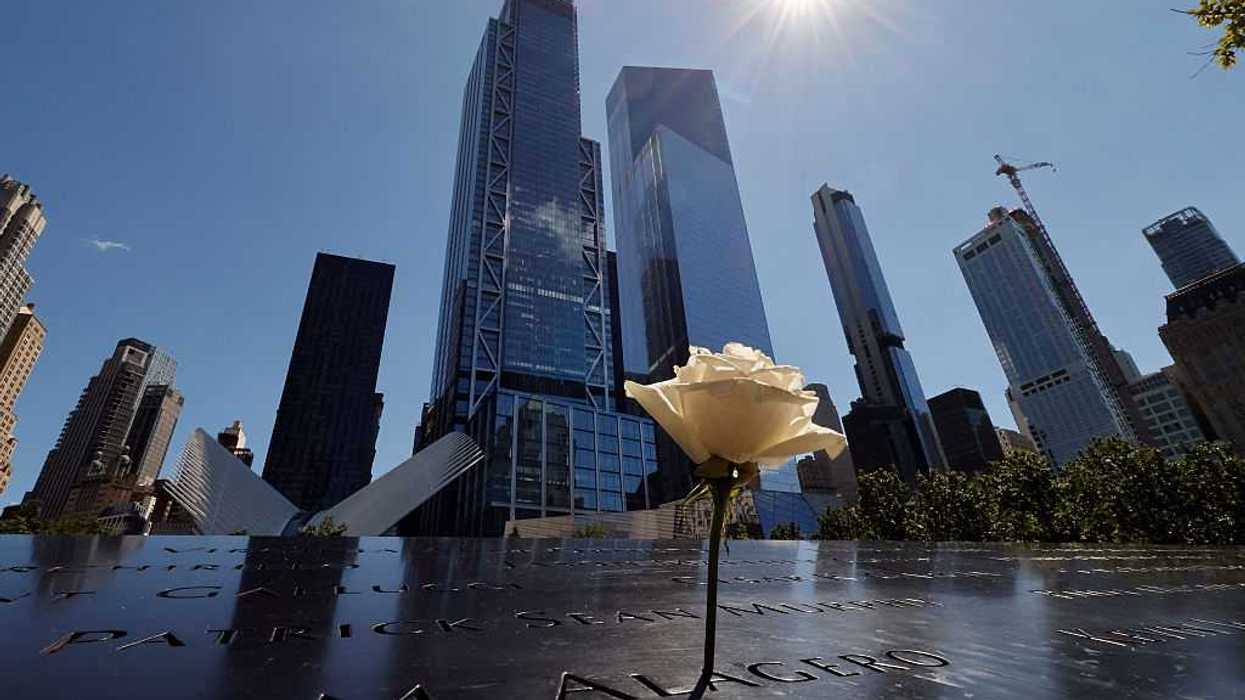
As the nation and the world pause this week to honor and reflect on the 25th Anniversary of the terrorist attack that brought down the twin towers of the World Trade Center and killed more than 3,000 people, I am moved to share a very personal reflection.
After serving as Chief of Staff to Governor Celeste of Ohio and in the Clinton-Gore Administration, where I experienced firsthand how the major institutions in our country interact to favor the powerful over we the people, I became deeply concerned about the health of our democracy. It was clear to me that, beyond voting and national polling, the American people were not at the table to influence the decisions that most affect their lives.
In March, 1995, I left my office in the White House and founded AmericaSpeaks, whose mission was to bring We the People back into the foundational role envisioned in our founding documents. I created the 21st Century Town Meeting based on the New England Town Meetings, which, to this day, mean that citizens determine their town and school budgets. By adding technology – computers and voting devices – we could scale this work and bring thousands of Americans together to weigh in on important decisions.
By 2001, the AmericaSpeaks 21st Century Town Meeting had been successfully used to influence Social Security policy nationally, determine city budgets, and foster regional cooperation among counties. So, when the Lower Manhattan Development Corporation invited us to demonstrate its efficacy to ensure citizen voices would impact the rebuilding of Ground Zero, we were honored and ready to serve
A documentary film, “9/11: Reclaiming Ground Zero,” premieres this week on September 10th at the Brooklyn Public Library. 5,000 citizens, representative of the demographics of New York City, came together on July 20, 2002, to review the conceptual plans for rebuilding. The film tells the story of what happened leading up to that day and what followed. What you see today on the 16 acres that comprise Ground Zero was forever changed by the collective voice of those 5,000 citizens and the decision-makers' commitment to respect them.
To this day, I am humbled and honored that the AmericaSpeaks team and the hundreds of volunteers that came together to make that day possible were able to serve in this way.
But for me, having worked in the field of deliberative democracy for more than 30 years, the film's message is as much about our future as it is about what happened during the rebuilding of Ground Zero.
Today our democracy is under severe attack from forces within. Given the failure of our branches of government to play their rightful roles in the balance of power to ensure that our republic stays grounded in the core values of our founding documents, it is We the People who must act to ensure that our democratic republic can celebrate another 250 years.
The vast majority of Americans know that where we are today is wrong and want to do something about it. Our national narrative – by both traditional and social media – constantly feeds us negative storylines that we are too divided and polarized to come together. And yet in thousands of communities across the country we are already coming together and solving problems. We just do not know about it unless we live in a community that is already doing it.
Citizen Assemblies – a more recently developed method for creating the collective voice of representative citizens to solve problems -- first proliferated across Europe and Canada and now are finding fertile ground here at home. Citizen assemblies are currently happening statewide: on property taxes in Connecticut; on education policy in Maine; and on water policy in Nevada. In communities across the country, cities and counties are using Assemblies to deal with tough issues that the political process has not been able to solve: Petaluma, California; Fort Collins, Colorado; Akron, Ohio; Snohomish County, Washington – just to name a few.
Given the current profound political dysfunction at the federal level, it would not be possible to do this kind of work nationally. But we are building the necessary infrastructure and civic muscles all across the country, which means our capacity to bring the wisdom of the American public into our national institutions is growing rapidly.
I am honored and delighted that this documentary film captures the legacy of AmericaSpeaks' contribution to the field of deliberative democracy, but I am even more pleased that it shows what We the People can do to impact public policy currently.
Today, 16 acres in Lower Manhattan are vibrant and full of life while simultaneously deeply honoring and respecting the loss of life that occurred there on September 11, 2001.
Today, our country is shaken by forces of destruction that do not respect our founding values, but We the People have the power to right our ship.
To explore organizations helping citizens strengthen our democracy, visit the Healthy Democracy Map:
healthydemocracymap.org
To learn more about the story behind the 2002 town hall and its impact, watch the documentary “9/11: Reclaiming Ground Zero”:
https://www.amazon.com/gp/video/detail/B0H967H5TV?ref_=atv_dp_share_cu_r
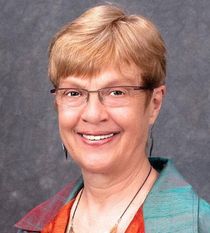
Carolyn J. Lukensmeyer was the first Executive Director of the National Institute for Civil Discourse, an organization that woks to reduce political dysfunction and incivility in our political system. As a leader in the field of deliberative democracy, she works to restore our democracy to reflect the intended vision of our founding fathers.