



The Fulcrum is committed to nurturing the next generation of journalists.
We asked Pechuqui Laurata, a Fall Fulcrum Fellow, to share what democracy means to her and her view of its current health.
Ask any pupil in Cameroon what democracy means, and they will likely repeat the definition many of us knew at their age: “government of the people, by the people, for the people.” The Anglophone crisis taught me what those words are worth when a government refuses to listen.
In 2016, lawyers and teachers in Cameroon’s English-speaking regions protested the growing use of French in Anglophone courts and schools. Civilians later joined them. Security forces responded with arrests and violence. Some protesters were killed; some civilians retaliated with stones. The unrest hardened into an armed conflict that has displaced families, disrupted education, and taken thousands of lives.
I come from the Northwest Region, one of the conflict’s epicenters where I first experienced political unrest, displacement, and mass killing of innocent people, including women and children. Although democracy is preached, on paper it is practically nonexistent, and citizens do not have a voice or right to protest. This challenges democratic beliefs that citizens must be free to hold powerholders publicly accountable and that the government must answer to them.
After that political crisis, I began to see how democracy is being practiced differently in different countries while I was still in Cameroon in 2020. When a Minneapolis police officer killed George Floyd, I watched Americans on TV march through the streets demanding justice and accountability from the police. From thousands of miles away, I was struck by how their democratic rights allow them to protest and challenge the governing power, confront powerful institutions, hold them accountable, and force a national conversation. That history shaped how I see a democratic system in practice in America.
The police response, however, was chaotic. Police arrested more than 10,000 people during the first 10 days of demonstrations. Police used tear gas, rubber bullets, and other force against protesters and journalists. Many arrests involved curfew violations or failure to disperse rather than violence.
What happened afterward mattered. Prosecutors dismissed many charges against peaceful demonstrators. In Cincinnati, prosecutors dismissed charges against 479 nonviolent protesters arrested for violating curfews. Five years later, the city approved an $8.1 million settlement resolving their claims of wrongful arrest, police brutality, inhumane detention conditions and unlawful property seizures.
The Black Lives Matters movement produced many forms of accountability including the conviction of Derek Chauvin of murdering Floyd. Some states and local governments changed policing rules, and President Joe Biden restricted certain federal practices through a 2022 executive order. But Congress failed to pass the George Floyd Justice in Policing Act, and several reform efforts later stalled or were reversed.
The lesson was not that American democracy worked perfectly. It was that citizens could expose its failures and use courts, elections and public pressure to demand a response. That distinction is why I judge democracy not by absence of conflict, but by whether institutions respond to it.
After I arrived at UC Berkeley, protest in America was no longer something I watched through a screen. In fact, I have witnessed many of them happening around Berkeley and in Oakland. For instance, in November 2025, I saw protestors opposing a Turning Point USA event at Zellerbach Hall. Police surrounded the area to ensure the safety of the protestors and people participating to avoid any physical confrontation among the opposing parties. Although some confrontations occurred and a few people were arrested, the program continued inside while protesters voiced their opposition outside. This shows how competing political voices can coexist when authorities are there to protect violence.
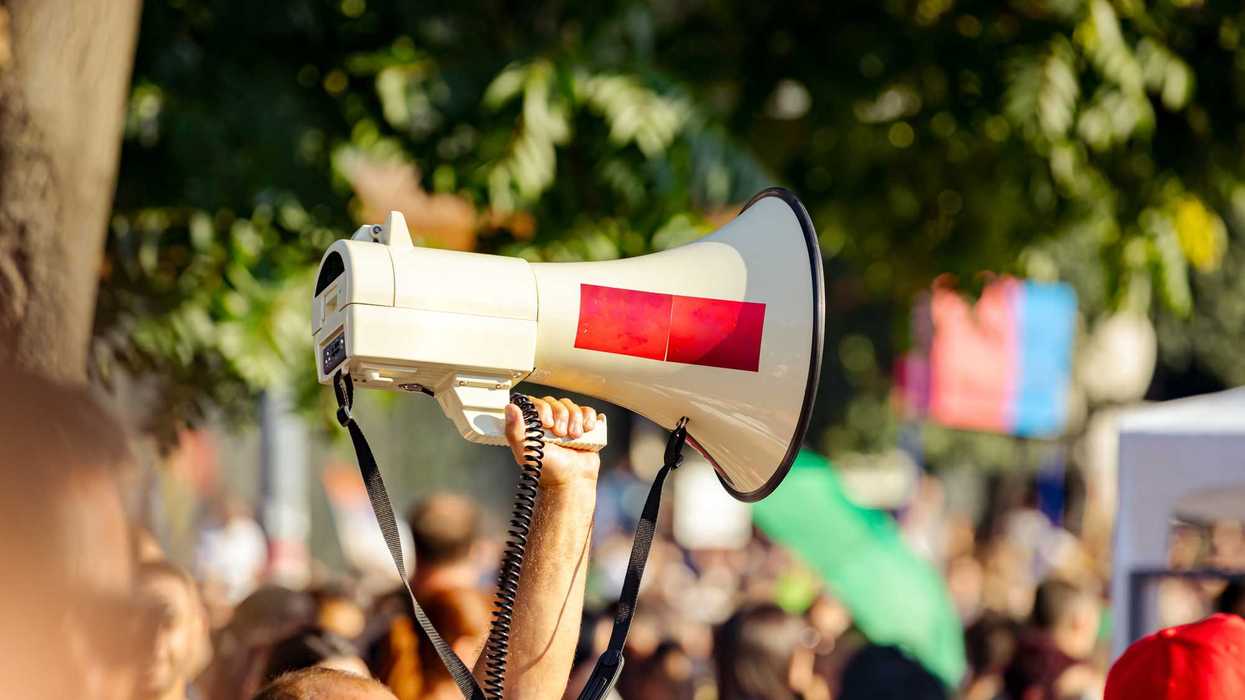
The No Kings demonstrations in March 2026 carried that tradition across the country. Thousands of protests took place in all 50 states, with organizers estimating that millions participated. In Berkeley, I watched how the police stood there and watched protesters go along. For what I remember watching from a close distance, it remained peaceful in Berkeley, although some cities reported arrests and confrontations.
To Americans who see protest mainly as noise or inconvenience, that public disagreement may look like democratic disorder. But that disorder and public disruption is democracy in practice.. The First Amendment gives citizens room to challenge the government, but arrests, police force and unfinished reforms show that the right to speak does not guarantee that power will listen.
American democracy is therefore active but uneven. Its strength lies in citizens who continue to assemble and institutions that can correct abuses. Its weakness appears when officials suppress dissent or wait for public outrage before accepting responsibility.
Cameroon showed me the cost of unanswered grievances. America has stronger protections, but those protections endure only when people use them in a great way. Protest gives citizens a voice. Accountability tells us whether democracy is listening and whether their response is healthy.
Pechuqui Laurata is a fall fellow with The Fulcrum and a student at UC Berkeley School of Journalism (Master of Journalism). Guided by early experiences in Cameroon and strengthened at Berkeley, Laurata aims to produce rigorous, compassionate journalism that highlights how communities respond to hardship and where meaningful change is taking root.








The President Invited Iran to Bomb My Home