

Skip to content
Search

Latest Stories

Follow Us:
Top Stories

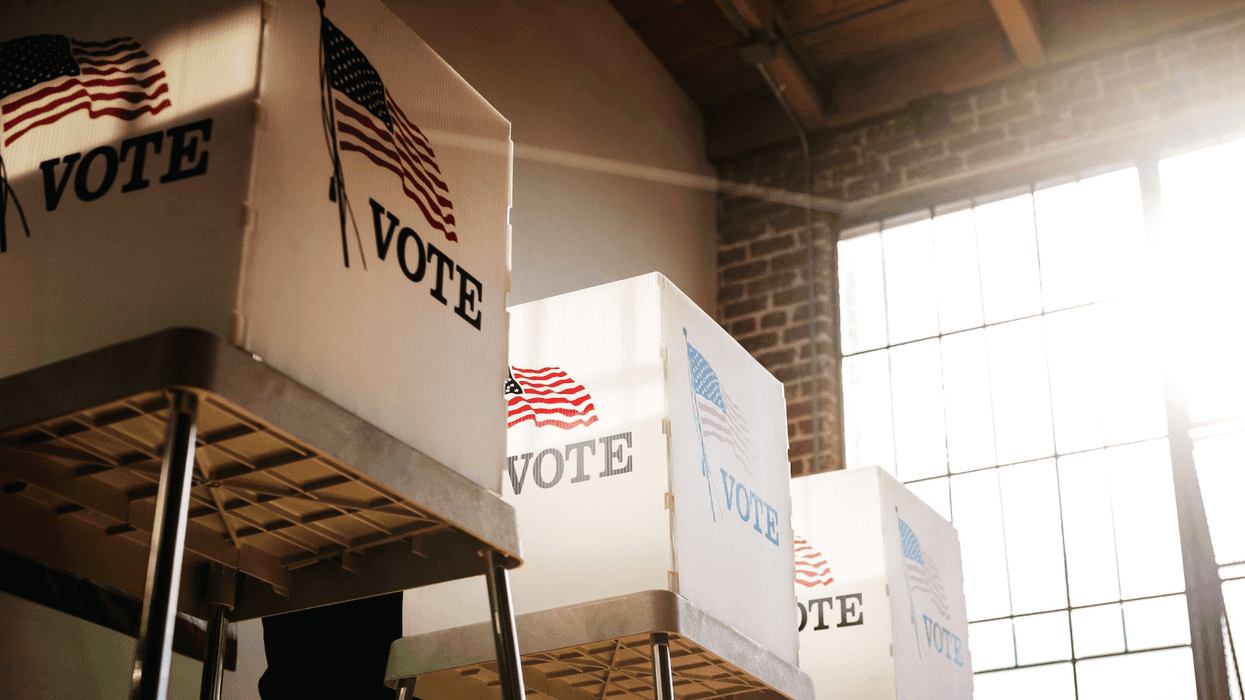
Montanans Urged To Defend Voter Integrity in November Elections

News

Montanans Urged To Defend Voter Integrity in November Elections

The Trump administration’s Justice Department has filed 30 lawsuits against states refusing to hand over voter rolls, which include personal information including Social Security and driver’s license numbers.

Adobe Stock

Democracy watchdogs warned President Donald Trump is setting the stage to tap emergency powers to ensure Republicans do not lose control of Congress in November’s midterm elections.

Since January, the Trump administration has used federal law enforcement to raid election facilities to seize ballots and voting machines in places like Georgia and Puerto Rico. Trump continues to cast doubt on the integrity of elections in Montana and across the nation.


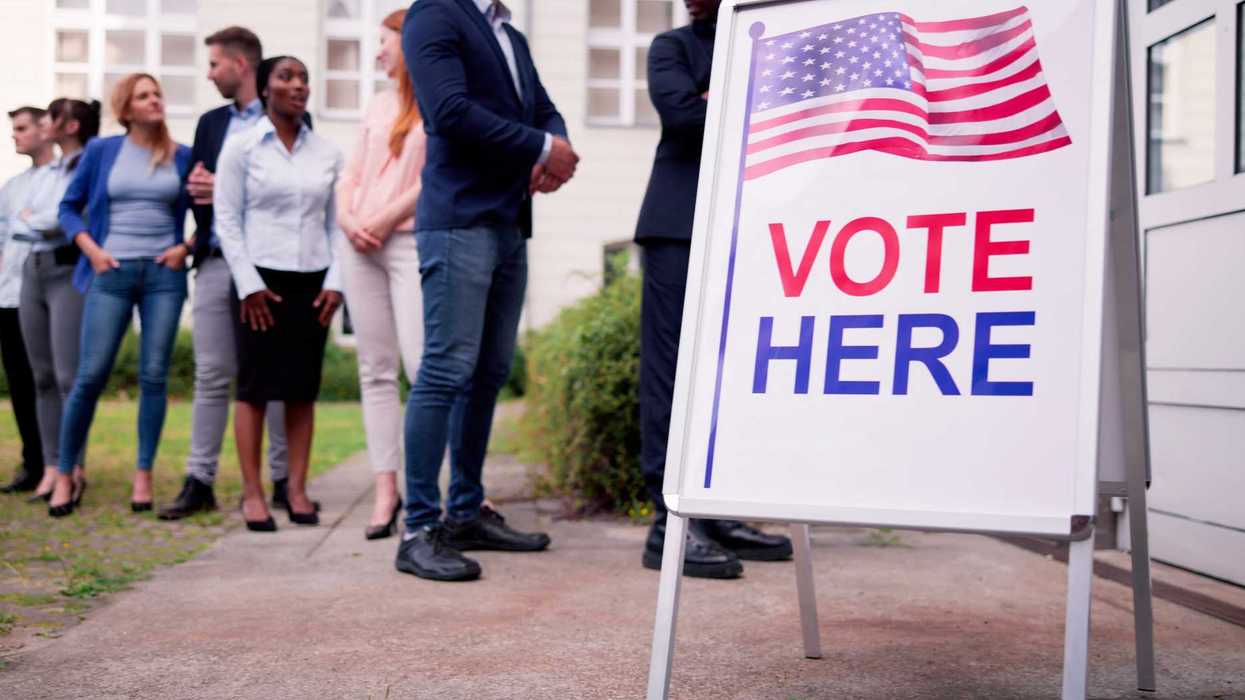
Robert Weiner, director of the Voting Rights Project for the Lawyers’ Committee for Civil Rights Under Law, said members of the public need to get involved.

"You can be a poll watcher. You can be an observer. You can voice your view that no one will be allowed to intimidate people so that they don't vote," Weiner outlined.

Keep Our Republic, an advocacy group whose members include legal scholars, former federal lawmakers and top Cabinet officials, warned if Trump declares a national crisis, he could use presidential emergency powers to take over U.S. voting machines.

The Trump administration said it is working to ensure Americans have full confidence in how elections are handled, including accurate and up-to-date voter rolls free of errors and unlawfully registered noncitizen voters. Trump has called for Republicans to nationalize the November vote but Weiner noted the U.S. Constitution gives states the sole authority to run elections. Weiner added the nation’s founders understood the potential dangers if a single authority had the power to decide election outcomes.

"The fact that we have all these different governmental entities running the elections makes it harder for anybody to influence them improperly," Weiner stressed.

There is no evidence noncitizen voting has ever affected an election’s outcome, according to a Bipartisan Policy Center report. Weiner emphasized it is important to keep in mind the president only claims fraud in elections he lost, in 2020, and when Republicans suffered losses in the 2018 midterms.

"The bottom line is that our electoral system is safe, it has integrity, and people can rely on their vote being accurately counted. And any claims to the contrary are untrue," Weiner underscored.


Montanans Urged To Defend Voter Integrity in November Elections was originally published by Public News Service and is republished with permission.
Read More

A person looks out at the North Tower pool at the 9/11 Memorial and Museum ahead of the 25th anniversary of the attack on the World Trade Center on September 7, 2026, in New York City.

A person looks out at the North Tower pool at the 9/11 Memorial and Museum ahead of the 25th anniversary of the attack on the World Trade Center on September 7, 2026, in New York City.

Gary Hershorn/Getty Images

How 9/11’s Memory Continues to Shape American Citizenship

Twenty‑five years after September 11th, the burden of that day continues to affect us in ways that are difficult to express. It was a moment of profound loss, but also one that revealed both the vulnerability and resilience of our national fabric. The memories remain vivid for many of us: where we were, what we felt, and how the world appeared to change in an instant. Even now, a quarter century later, the impact of that morning continues to shape how we understand our country, our responsibilities, and our relationships with one another.

To help us all reflect on that day, I invited four contributors to the Fulcrum to share reflections not to revisit the tragedy, but to commemorate the ways it has persisted in our consciousness twenty-five years later.

Keep ReadingShow less
Close-up shot of a Black woman's hands receiving a mail-in ballot to vote in a USA Presidential, Senatorial, Congressional, or local election

An immigrant's perspective on why America's election debate over security vs. access is a false choice — and how USPS mail ballot rules fit in.

Jeremy Poland/Getty Images

Ballot Security and Voter Access Are Not Opposites: What the USPS Ballot Rule Gets Right

I came to the United States from India in 1982. In Indian elections, I watched officials check voter identity and mark a voter’s finger with indelible ink. Party representatives observed the process. The system was imperfect, as every large democracy is, but it sent a simple message: casting one vote is a serious civic act, and the process should make that clear.

When I later became an American citizen and cast my first ballot, the experience felt very different. A poll worker found my name on a list and handed me a ballot. In my precinct, there was no photo identification check. I was surprised—not because I expected voting to be difficult, but because I expected a system as consequential as an election to have clear, visible safeguards.

Keep ReadingShow less
A group of people wait in line to get their ballots to vote in the election.

Uncontested elections are more common than you'd think. From open primaries to multi-member districts, here's what states like California and Alaska are doing to bring real competition back to the ballot — and what it'll take to change political culture, too.

Getty Images, SDI Productions

What America Can Do About Its Uncontested Elections

Politics nerds have many ideas about how to strengthen American democracy; however, few directly address silent elections. For example, ranked-choice voting does nothing to encourage more candidates to run if there are not enough. Term limits increase turnover, but even newcomers can frequently run uncontested in general elections if they have won competitive primaries.

Fortunately, the cause isn’t hopeless. For one, tightening campaign finance laws would put potential challengers on more even footing with corporate-backed politicians, encouraging more candidates to run. Independent redistricting would also help. The Cook Political Report, a poll aggregator, considers only 69 of America’s 435 House districts competitive. Fair redistricting means more competitive districts and therefore more contested elections.

Keep ReadingShow less
Americans Vote In The 2024 Presidential Election

Voters cast their ballots on November 5, 2024 in Jefferson, New Hampshire.

John Tully/Getty Images

Non-Popular Vote Presidents: Conservatives’ Pathways for Abandoning Fiscal Responsibility

In political science and macroeconomic analysis, conservative administrations that win governance through the Electoral College without securing the national popular vote (historically exemplified by administrations like George W. Bush in 2000 and Donald Trump in 2016) navigate specific structural, ideological, and strategic pathways that often lead to the abandonment of traditional fiscal restraint.

Supply-Side Supremacy and "Starve the Beast"

Keep ReadingShow less