


This nonpartisan policy brief, written by an ACE fellow, is republished by The Fulcrum as part of our partnership with the Alliance for Civic Engagement and our NextGen initiative — elevating student voices, strengthening civic education, and helping readers better understand democracy and public policy.
The Origins: The Clinton Administration
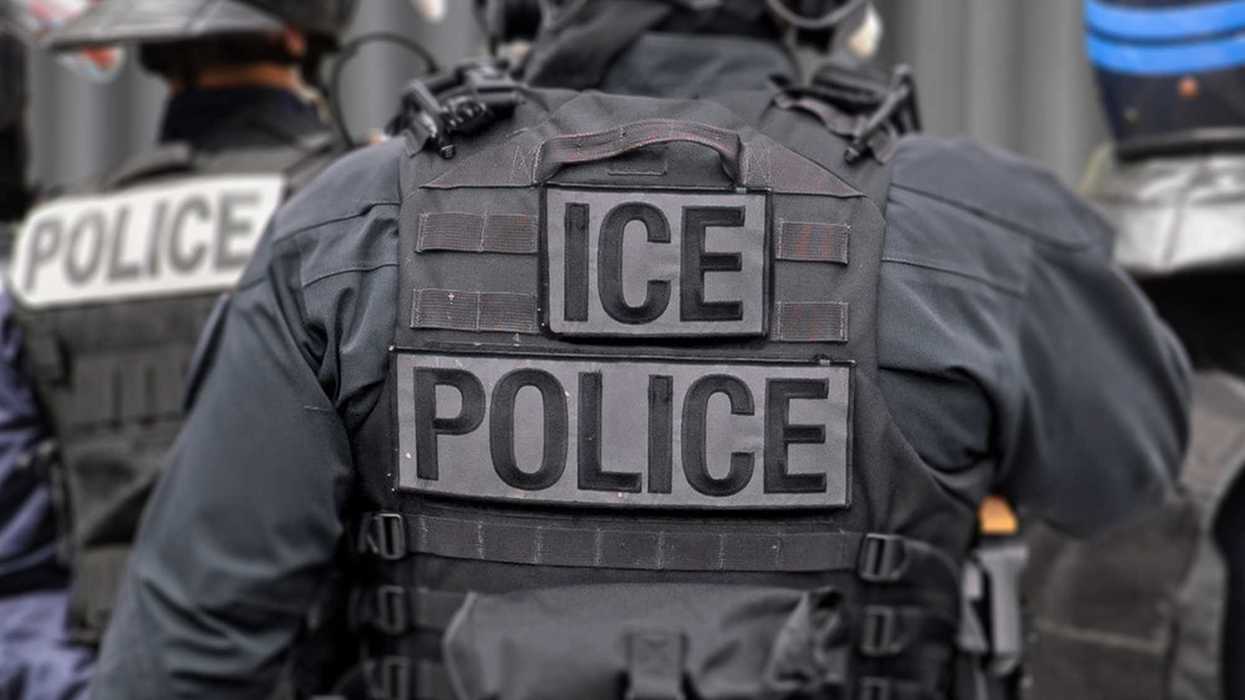
“Sensitive area” policies originate from the Clinton administration. Also known as a “Protected Area”, a “sensitive area” refers to any building or region where Immigration and Customs Enforcement (ICE) is required to refrain from immigration enforcement actions.
This policy originated in 1993 as a memo from James A. Puleo, the acting associate commissioner of the Immigration and Naturalization Service (INS), an agency under the U.S Department of Justice. Under Puleo, immigration enforcement officers were to “attempt to avoid apprehension of persons and tightly control investigative operations” within areas like schools and places of worship. Additionally, enforcement actions in these “sensitive areas” required advance written approval from senior officials.
While Puelo’s memo did not outright ban enforcement action at sensitive areas, additional precaution and approval were required to conduct such activity, limiting officer autonomy and operational flow. However, exceptions could be made in emergency situations, such as “a mass alien influx or alien registration action”.
The Age of Expansion: The Bush Administration
The Bush administration ultimately upheld Puleo’s 1993 memo. Three memos form the cornerstones of the administration’s sensitive areas policy: Byers’ 2008 Field Guidance on Enforcement Actions or Investigative Activities At or Near Sensitive Community Locations, ICE’s 2007 Guidelines for Identifying Humanitarian Concerns among Administrative Arrestees, and Forman’s 2007 Enforcement Actions at Schools.
As a response to the events of 9/11, the Homeland Security Act of 2003 was enacted, restructuring the Department of Justice and the Department of Homeland Security. Ultimately, this move dissolved the INS and created ICE. Under the Act, ICE’s primary mission is to “promote homeland security and public safety through the criminal and civil enforcement of federal laws governing border control, customs, trade and immigration”. The sensitive areas policy established by the INS were maintained by ICE, and the agency released several memos clarifying the policy.
On November 16, 2007, ICE published Guidelines for Identifying Humanitarian Concerns among Administrative Arrestees. The document served as a guide for collaboration between ICE agents and social service agencies to prioritize safe and human conditions. Obligations include: (1) identifying vulnerable individuals early, such as sole caregivers, pregnant women, or individuals with medical conditions; (2) screening arrestees for medical needs; (3) providing access to restrooms and adequate food or water; (4) notifying arrestees of opportunities for legal counsel; and (5) allowing family contact through free telephone service.
In addition to addressing humanitarian concerns, Office of Investigation Director Marcy M. Forman released Enforcement Actions at Schools on December 26, 2007, a memorandum promoting careful ICE operations on grounds where children may be present. Officers were instructed to use “great care and forethought” in such areas, especially schools. Additionally, before ICE detains or questions individuals, they are obligated to notify the Headquarters Operations Manager, get approval from the highest-ranking regional official, known as the Special Agent in Charge, and write a request memo that allows ICE to use administrative warrants rather than judicial warrants to conduct operations. This approval does not apply when ICE agents ask schools for records and information from school officials, or conduct other non-enforcement-related activities. Finally, the memo preserved exceptions given to concerns involving terrorism or other public safety issues.
The final memo during Bush’s term, addressed to ICE from Assistant Secretary Julie M. Byers, was published on July 3, 2008. The memo officially recognized Forman’s and Puelo’s memos, codifying sensitive area protections into ICE operations. Byers’ memo came nearly two months after a controversial raid at a meatpacking plant in Postville, Iowa on May 12, 2008. The Attorney’s Office in the Northern District of Iowa charged 306 of the 389 arrestees with false identification and 270 with aggravated identity theft. Critics contend that the defendants were not given sufficient time to meet with counsel, translation services, nor individual court proceedings established by Forman’s or Puleo’s memo.
The Bush Administration did not significantly break from Clinton-era precedent and preserved many of the same exceptions for immigration enforcement in sensitive locations.
The Morton Memo: The Obama Administration
The Obama administration’s view on sensitive areas was defined by ICE Director John Morton’s Policy Memorandum 10029.2. Dubbed the “Morton Memo,” it outright prohibited ICE officers from entering or conducting arrests, searches, or surveillance near designated protected sites. Protected sites included: K-12 schools, universities, school bus stops, medical treatment facilities, places of worship, and public demonstrations. Exceptions were narrowly provided in cases of active pursuits, imminent destruction of evidence, and national security investigations.
The Morton memo represents the Obama administration’s leniency towards long-term residents and children, further evidenced by the 2012 Deferred Action for Childhood Arrivals (DACA) program. Obama’s policy has allowed over 740,000 undocumented individuals who arrived as children to remain in the United States, granting them renewed work authorizations. In contrast, the Obama administration would also expeditiously deport adults with a criminal record, resulting in the highest deportation rates of any previous president. This policy represented a major departure from previous administrations, marking a more politically and legally contested approach to immigration.
Obama-era policy left a legacy of the most comprehensive federal codification of enforcement restraint at community institutions in U.S. history. Morton’s memo was ultimately a tool designed to decouple aggressive interior enforcement from the community trust infrastructure in schools, hospitals, churches, etc., which was seen as a necessity for “social order.”
Challenging the Status Quo: The First Trump Administration
Coming into office in January 2017, the Trump Administration marked a significant departure from the enforcement priorities of the Obama era, including the guidelines established in the Morton memo. Rather than narrowing deportation to individuals with serious criminal records, the Administration moved to expand interior enforcement to target undocumented immigrants broadly. This shift was formalized through two executive orders signed in the first week of office: Border Security and Immigration Enforcement Improvements (EO 13767) and Enhancing Public Safety in the Interior of the United States (EO 13768), which directed ICE to treat nearly all undocumented individuals as enforcement priorities and rescinded the Obama-era guidance that had narrowed those priorities.
On February 20, 2017, DHS Secretary John Kelly issued a memo titled Enforcement of the Immigration Laws to Serve the National Interest, which immediately rescinded Obama’s Priority Enforcement Program and gave officers broad authority to pursue removal against anyone who had committed acts constituting a chargeable criminal offense, including minor traffic infractions. While the Administration did not formally rescind the Morton Memo, it effectively eroded the sensitive areas framework through these broadened enforcement priorities and rhetoric that de-emphasized restrictions near schools, churches, and hospitals.
The consequences for immigrant communities were significant. A 2018 study from the University of Michigan School of Public Health found that Detroit-area ICE detentions rose 44 percent from 2016 to 2017, with more than triple the number of non-criminal immigrants detained, and documented immigrants avoiding doctors, grocery stores, and schools out of fear. The Urban Institute (2019) also found that 1 in 5 adults in immigrant families with children reported avoiding public benefits out of fear of immigration consequences, rising to 1 in 3 among low-income families. Lastly, a 2023 PMC study published in PMC found that direct enforcement encounters among Asian and Latinx immigrants were associated with delayed healthcare access, even when sensitive location protections were technically still in place on paper.
While Trump’s first term did not fully dismantle the sensitive locations framework, its expansive enforcement priorities and aggressive interior operations functionally weakened it. The rise in non-criminal arrests reflected a deliberate departure from the Obama-era framing of prioritizing felons over families, and the cultural shift within ICE laid the groundwork for the full rescission of sensitive area protections that would come in his second term.
The Restoration Administration: The Biden Administration
The Biden Administration entered office in January 2021 with a stated commitment to reversing many of the Trump-era immigration policies, including the restoration of sensitive areas policies. The Biden Administration both restored and expanded the protections that had been culturally eroded under Trump I.
In January 2021, Acting ICE Director Tae Johnson issued a memo pausing most interior enforcement as the administration developed its new priorities. Then, on October 27, 2021, DHS Secretary Mayorkas issued Guidelines for Enforcement Actions in or Near Protected Areas, a new unified policy for both ICE and Customs and Border Protection (CBP) that replaced and expanded upon the Obama-era Morton Memo. The updated guidelines broadened the list of protected locations to include disaster relief and emergency sites, food banks, homeless shelters, community centers, places where children gather, and medical and mental health facilities including vaccine and testing sites. The memo also maintained the requirement for pre-approval before enforcement near any protected area and was grounded in the principle that enforcement should not deter people from accessing essential services. Per American Immigration Council analysis, the 2021 memo narrowed officers’ enforcement latitude more than any prior guidance, adding new protections and closing loopholes that had existed in previous iterations, including eliminating a CBP exception for areas near the international border that had previously left border-community hospitals and schools largely unprotected.
The Biden administration’s approach represented both a formal restoration and the most expansive codification of sensitive area protections in the policy’s long history. However, the 2021 Guidelines for Enforcement Actions in or Near Protected Areas would ultimately become the final formal iteration of the sensitive locations framework.
The State of Sensitive Areas Today: The Second Trump Administration
On January 20th, 2025, President Donald Trump signed Executive Order 14159, which directed DHS to revoke all previous guidance for immigration enforcement. The order removed the sensitive areas policy while it was still in effect, with DHS Secretary Benjamine Huffman rescinding Biden-era precedent shortly after. On January 31, 2024, ICE issued a follow-up memorandum establishing that authorization for formerly protected areas could be granted verbally or in writing. However, ICE did not explicitly mention that authorization is required, nor did the agency list consequences for failing to receive authorization. As a result, the Executive Order granted agents greater authority over the methods they use to conduct patrols, arrests, and raids.
The removal of the sensitive areas policy causes schools and children to be more vulnerable to arrest, removal, or questioning by ICE. According to NBR, raids coincided with a 22% increase in daily student absences, with younger students more absent than older students. A separate source, Edweek, conducted a national survey which found that 24% of educators who worked with immigrant families reported reduced student attendance. Trump’s retraction of the sensitive areas framework has left 9 million students with at least one noncitizen adult at risk of being affected by arrests.
Critics of Trump’s immigration policies cite the conflict between the Emergency Medical Treatment and Labor Act (EMTALA), which requires physicians to provide care regardless of a patient’s citizenship status. Likewise, the Health Insurance Portability and Accountability Act (HIPAA) mandates healthcare professionals to keep sensitive client information – such as citizenship – private from all entities. However, no existing statute prohibits ICE from entering public areas within hospitals in certain states. The Trump administration has not confirmed arrests inside hospitals or medical facilities as of April 2026.
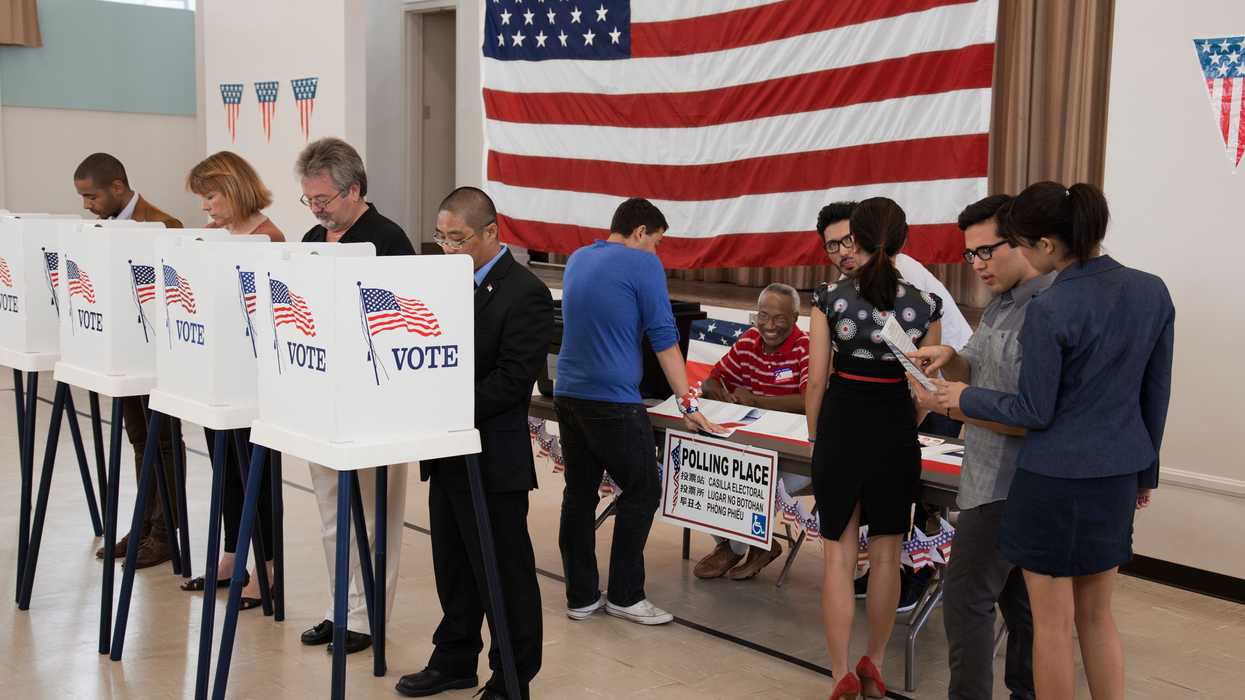
Democratic legislators have opted to keep the sensitive areas policy alive despite the Trump administration’s opposing views. At the federal level, Representative Adriano Espaillat (NY-13) and Senator Richard Blumenthal (CT) reintroduced the Protecting Sensitive Locations Act on February 6, 2025 to re-codify restrictions on ICE and other DHS departments. The Act seeks to codify protections similar to the former policy by restricting immigration enforcement within 1,000 feet of designated sensitive locations, including schools, hospitals, places of worship, polling sites, and labor union facilities. If enacted, the legislation would significantly limit where enforcement actions can occur and reestablish clearer boundaries for federal authorities.
How Is the Rescission of the Sensitive Locations Policy Currently Impacting Communities?
The rescission of the Sensitive Locations policy has significantly expanded immigration enforcement authority, allowing ICE agents to conduct enforcement actions in locations that were previously protected, including schools, healthcare facilities, places of worship, and other community institutions. The change has prompted institutions of higher education to assess how to respond to potential enforcement activity and raising concerns about student safety and institutional policies governing federal access. Overall, federal officials argue that removing the policy restores law enforcement flexibility and prevents individuals from avoiding arrest by remaining in these locations.
At the same time, advocacy organizations report that the policy change has contributed to heightened fear among immigrant communities, particularly in spaces where individuals previously felt safe accessing essential services. Early evidence suggests declines in school attendance and increased missed medical appointments, indicating a broader chilling effect. This shift may discourage immigrants, including some U.S. citizen children in mixed-status families, from seeking medical care, attending school, participating in religious services, or accessing disaster relief and other social support. The policy also increases risks for particularly vulnerable populations, such as youth experiencing homelessness who may lack identification or documentation, as well as individuals relying on shelters, clinics, or other community-based services, all of whom may face a greater likelihood of detention during enforcement actions.
In response, schools, healthcare providers, and religious organizations are assessing how immigration enforcement may affect their communities and institutional practices. Local governments and community organizations have also begun providing “know your rights” information to help individuals better understand their legal protections when interacting with immigration authorities.
What Are the Future Implications of Rescinding the Sensitive Locations Policy?
Ongoing legal challenges to the rescission of the Sensitive Locations Policy suggest that its long-term implementation remains uncertain. Multiple lawsuits have been filed, and courts have issued mixed rulings, with one federal judge temporarily blocking immigration enforcement actions in certain houses of worship. Another declined to restrict enforcement in school settings. As litigation continues, future court decisions will play a critical role in determining whether aspects of the policy are upheld, limited, or reversed.
In the absence of uniform federal protections, states are increasingly exploring their own policy responses, despite immigration enforcement remaining primarily a federal responsibility. States such as Illinois, Maine, Massachusetts, New Jersey, New York, Oregon, Washington, and West Virginia have either implemented or explored policies that limit enforcement in sensitive spaces, including proposals requiring federal immigration officers to obtain judicial warrants or demonstrate probable cause before conducting certain enforcement actions. In addition, some state and local governments are pursuing policies that limit cooperation between local law enforcement and federal immigration authorities or restrict immigration enforcement on state-controlled property. For example, proposals introduced by officials such as Kathy Hochul aim to prevent local police from assisting with federal immigration enforcement, while advocacy efforts have also promoted the creation of “ICE-free zones” in certain public spaces.
Looking ahead, the removal of sensitive location protections may have broader, long-term implications for public institutions and community trust. Continued fear of enforcement may discourage immigrant communities from engaging with essential services, potentially leading to lower school attendance, delayed medical treatment, and reduced participation in civic and religious life. Over time, these patterns could have significant consequences for public health outcomes, access to education, and overall trust in government institutions, particularly among the immigrant population.
Where Can Immigration Enforcement Take Place?: Unpacking ICE’s ‘Sensitive Areas’ Policies from Clinton to Trump was first published by ACE and republished with permission.
Nhelia Alemo, Chloe Durham, Mariam Nageeb, Stephanie Olvido, Yazmin Muñiz, Kallista Ramirez, and Jaiden Whitner are ACE Fellows.








The President Invited Iran to Bomb My Home