


Skip to content
Search

Latest Stories

Follow Us:
Top Stories

Podcast: Lonely and extreme

Podcast: Lonely and extreme

Given the dangerous rise of political extremism in America, it's well past time we stopped wagging our fingers and do a bit of soul searching of our own about why our society is producing so many citizens unmoored from the connections that support moderation. Pastor Gary Shultz of First Baptist Church, Dr. Dan Leshem of FSU Hillel, Father Tim Holeda of St. Thomas More Co-Cathedral, and Pastor Joseph Davis, Jr. of Truth Gatherers Community Church join Village SquareCast to discuss.


God Squad: Lonely and Extreme

God Squad: Lonely and Extreme
open.spotify.com


Read More

A Hollow Song for a Hollow Patriotism: Reclaiming the Real Patriotic Ballads
Imagine a democracy concert followed by a yearlong democracy call to action roadshow—designed to build a new civic movement
Getty Images, gilaxia

A Hollow Song for a Hollow Patriotism: Reclaiming the Real Patriotic Ballads

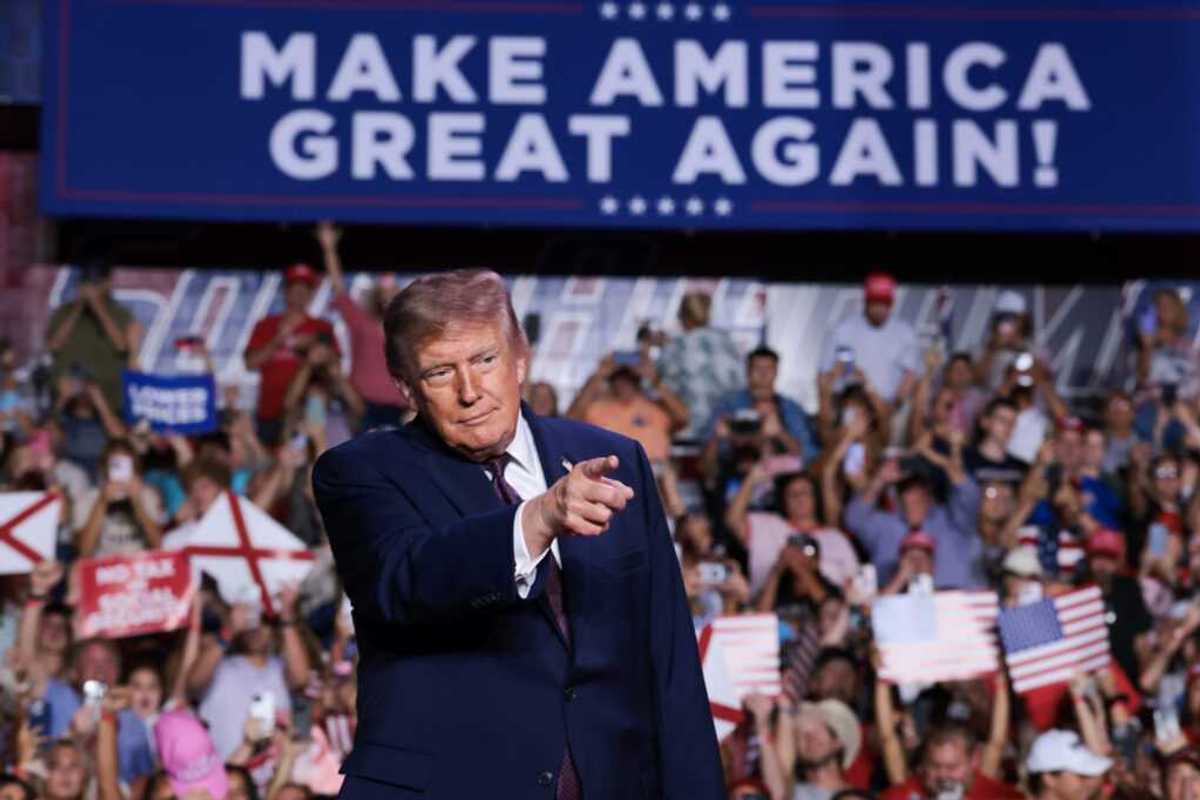
After musician after musician pulled out from Trump’s June 24 “Freedom 250” concert, we’re left with Lee Greenwood and an opera tenor. The anthem that made Greenwood a star, “God Bless the USA,” was written in 1985 during the height of the Cold War. It begins with the specter of loss—“If tomorrow—all the things were gone, I’d worked for all my life / And I had to start all over with my children and my wife.” Then the wounds disappear before they’re felt: “I’d thank my lucky stars to be living here today / Because the flag still stands for freedom and they can’t take that away.”

Ronald Reagan made the song his campaign theme while launching a new age of American inequality by systematically busting unions and cutting taxes for the wealthiest. Greenwood treats layoffs and the resulting toll on ordinary lives as a mere inconvenience. As the refrain shifts from violins and a church organ to a military march, he repeats, “I’m proud to be an American, where at least I know I’m free / And I won’t forget the men who died who gave that right to me.”

Keep ReadingShow less
Colbert’s Final Late Show Reveals What We’re Losing in Public Dialogue

Stephen Colbert attends the 51st Chaplin Award Gala honoring George Clooney at Alice Tully Hall, Lincoln Center on April 27, 2026 in New York City.

(Photo by Gilbert Carrasquillo/GC Images)

Colbert’s Final Late Show Reveals What We’re Losing in Public Dialogue

Stephen Colbert hosted The Late Show for the last time last week.

Tributes have been pouring in for Colbert’s nightly monologue and comedic genius. And rightly so. He has a unique and deeply humane way of making the unbearable bearable, giving us a little light and lift on our darkest days.

Keep ReadingShow less
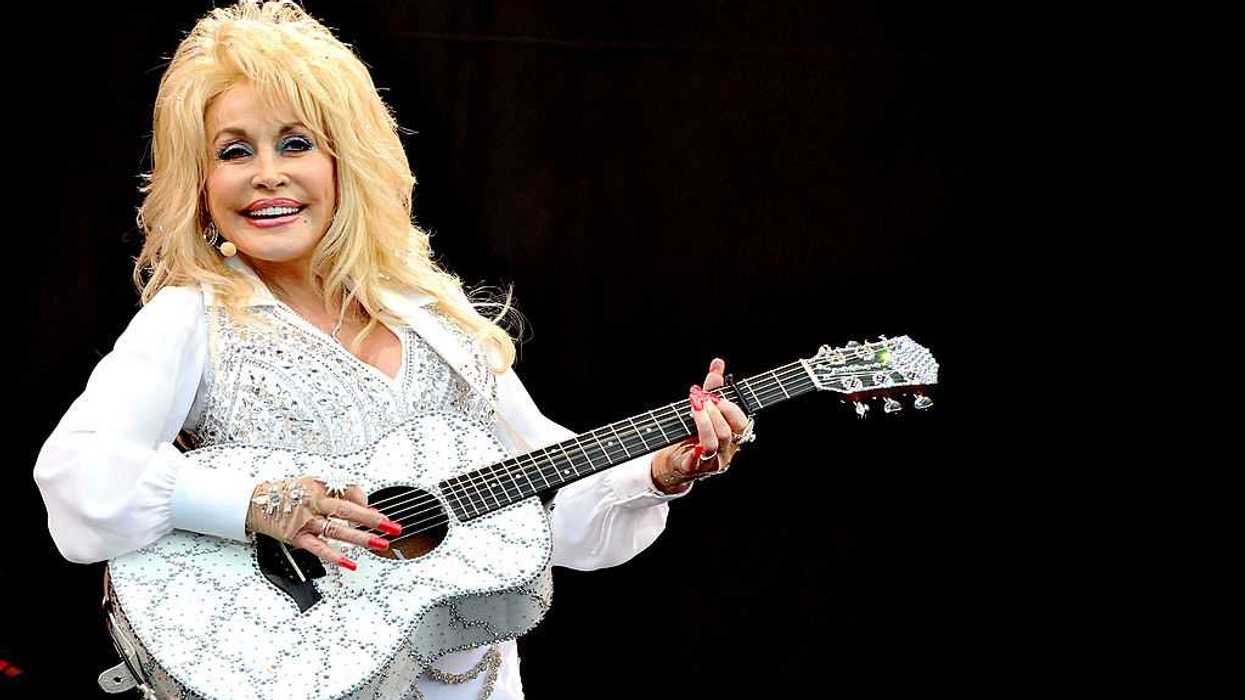
Stapleton’s Colbert Performance Shows Power of Nonpolitical Messages

Chris Stapleton performs onstage during the 59th Annual CMA Awards at Bridgestone Arena on November 19, 2025 in Nashville, Tennessee..

(Photo by Astrida Valigorsky/WireImage)

Stapleton’s Colbert Performance Shows Power of Nonpolitical Messages

On May 6th, I watched Chris Stapleton perform “Living in the Promiseland” on The Late Show with Stephen Colbert. The song, a Willie Nelson classic from 1985, hit me hard. Originally, Nelson released it at a time when debates about immigration and the American dream were in the headlines, and the song became an anthem of hope and inclusivity. These days, almost everything gets viewed through a political lens, but the song’s opening lines felt powerful without being political:

Give us your tired and weak, and we will make them strong
Bring us your foreign songs, and we will sing along
Leave us your broken dreams, we'll give them time to mend
There's still a lot of love living in the promised land

Keep ReadingShow less
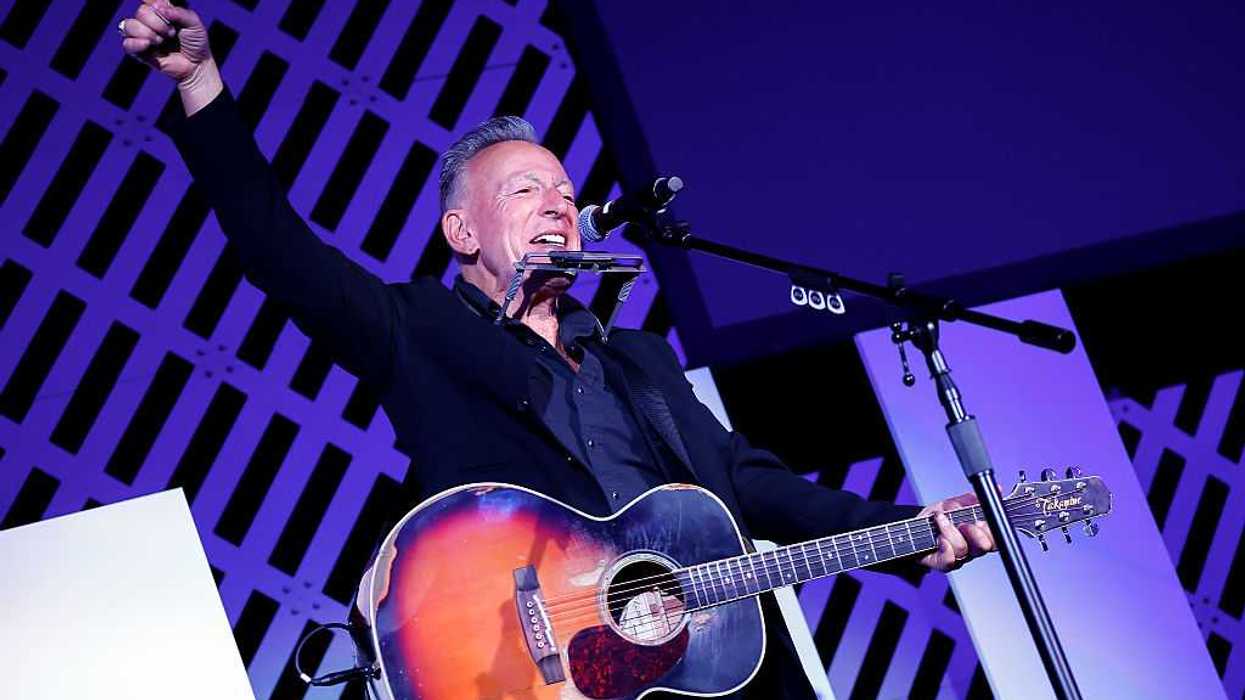
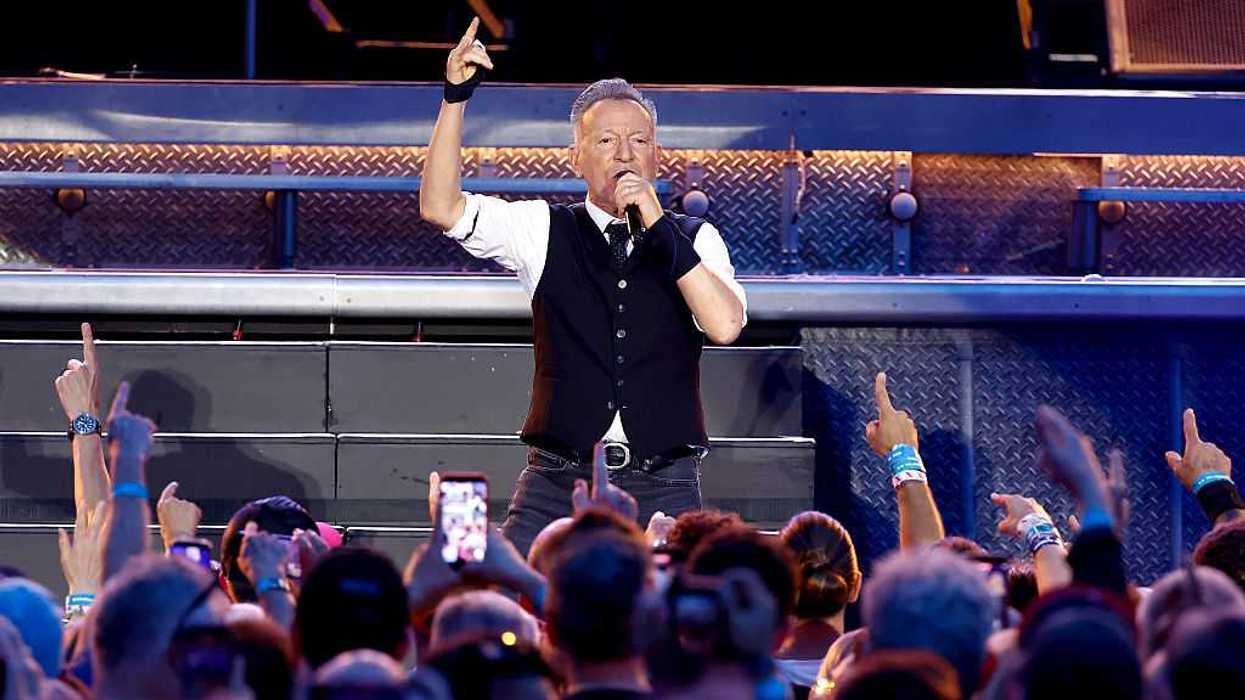
​Bruce Springsteen on stage, holding a microphone in one hand and a sign that reads, "No Kings," in the other hand.

Bruce Springsteen & The E Street Band perform during Land of Hope & Dreams American Tour at Target Center on March 31, 2026 in Minneapolis, Minnesota.

Getty Images,

It’s All About Soul — And the Future of American Democracy

American democracy is experiencing an unparalleled stress test. The headlines churn, the rhetoric hardens, and the daily spectacle can make it feel as if the country is losing its footing. The deeper danger, many observers note, isn’t simply that a political figure says outrageous things — it’s that the public grows accustomed to them. When shock becomes routine, the unacceptable becomes normalized. And once that happens, the standards that define who we are as a nation begin to erode.

When we get used to being shocked, things that should be unacceptable start to seem normal. When that happens, the values that shape our nation begin to fade.

Keep ReadingShow less